
Story Highlight
– New law targets online promotion of illegal Channel crossings.
– Offenders could face up to five years in prison.
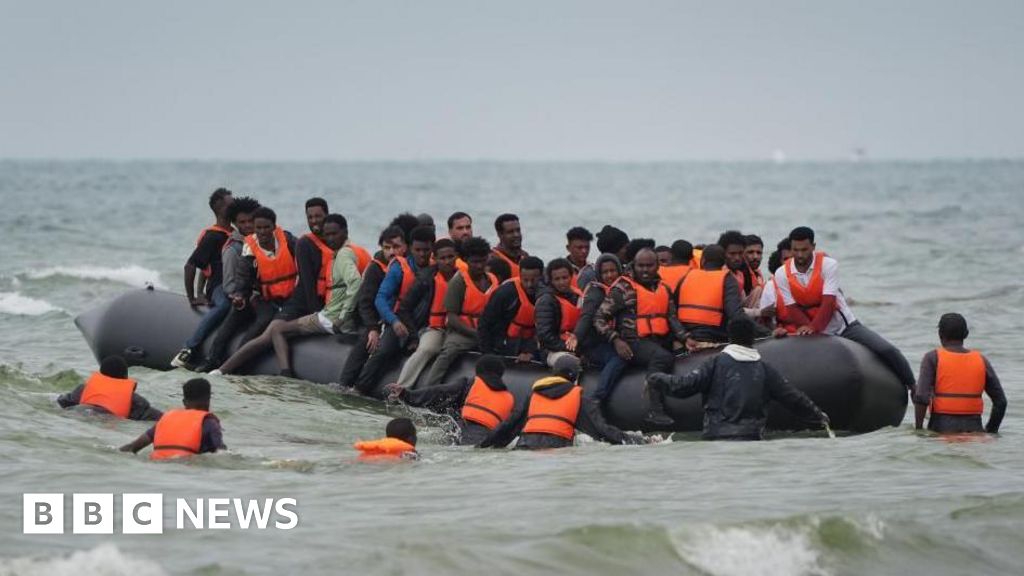
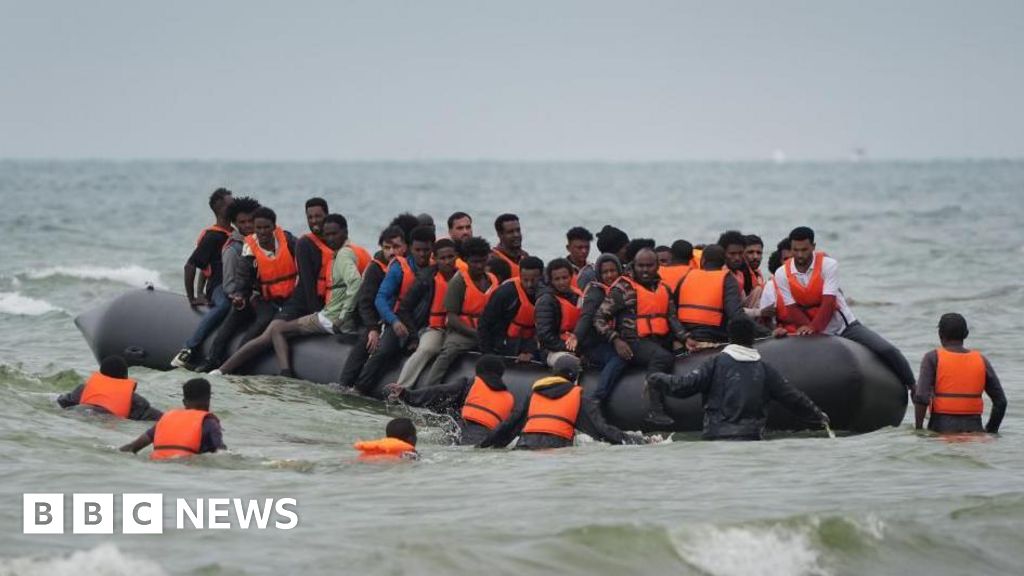
– Over 25,000 migrants crossed via small boats in 2025.
– Social media used for facilitating people-smuggling activities.
– UK plans closer cooperation with France on migration issues.
Full Story
New legislation is being proposed by the government, which could see individuals promoting illegal Channel crossings facing sentences of up to five years in prison. This new offense, part of the Border Security, Asylum and Immigration Bill currently being discussed in Parliament, aims to curb the rising number of migrants arriving in the UK via small boats.
While assisting illegal immigration is already classified as a criminal act, officials argue that this new offense will enhance the powers of law enforcement and other agencies to combat human trafficking networks. Recent data revealed that over 25,000 migrants have reached the UK via small boats in 2025 alone, marking a record high for this time of year.
In light of these developments, the Conservative Party has labeled the situation a “national emergency” and criticised the government’s response as inadequate. Shadow home secretary Chris Philp remarked that targeting social media adverts represents “too little, too late,” adding that superficial measures would not resolve the issue. He highlighted the Conservative’s Deportation Bill, which aims to facilitate swift removal of individuals arriving illegally.
In their election campaign, Labour also committed to dismantling people-smuggling operations and reducing illegal crossings. A series of measures have been undertaken, including enhanced intelligence sharing with international partners and increased collaboration with France to implement plans for the return of specific migrants.
Despite these efforts, Kevin Saunders, a former chief immigration officer, expressed concerns that there are still no sufficient deterrents to prevent individuals from attempting the perilous crossing.
Under the proposed legislation, individuals who create online content promoting services that violate UK immigration law would be penalized. This encompasses advertisements for counterfeit passports or visas and offers of unlawful employment in the UK. Offenders could face hefty fines in addition to prison time. Policing minister Diana Johnson stated that the law will be designed to have “extra-territorial reach,” allowing UK authorities to act against perpetrators who post such material from overseas.
Johnson emphasized ongoing collaboration with international authorities to confront and dismantle these illicit operations. Furthermore, Home Secretary Yvette Cooper condemned the exploitation of vulnerable migrants, stating that selling the notion of a safe journey and life in the UK is morally reprehensible, particularly when it endangers lives.
The National Crime Agency (NCA) is actively engaged with social media platforms to deactivate posts that advertise organized immigration crime, having removed over 8,000 such posts in 2024. The NCA has targeted several networks involved in people-smuggling, including one linked to Amanj Hasan Zada, who is currently serving a 17-year sentence for his role in the operation.
The Home Office highlighted the involvement of Albanian smugglers who promote costly “package deals” on social media, which include accommodation and job placements in the UK, as part of the violations the new offense would address.
Prime Minister Sir Keir Starmer and French President Emmanuel Macron recently agreed on a strategy to reduce crossings by returning migrants who arrive on small boats back to France. For each migrant sent back, France would accept an asylum seeker from the UK, potentially creating familial reunifications. However, critics argue this plan does not encompass enough individuals to have a substantial impact and question its effectiveness in deterring future crossings.
In parallel, the government has revised regulations to significantly limit the path to British citizenship for those entering through small boat crossings.

