
Story Highlight
– Business Secretary faces showdown with Chinese owners of British Steel.
– Jingye demands hundreds of millions for ownership transfer.
– Government controls British Steel, aims for new buyer.
– Valuations between government and Jingye significantly differ.
– Ministerial talks continue, nationalization seen as last resort.
Full Story
Business Secretary Jonathan Reynolds is preparing for critical discussions with the Chinese ownership of British Steel, following reports that the company has requested extensive financial support from the government. This demand, reportedly amounting to hundreds of millions in taxpayer funds, has brought the search for a new buyer to a standstill.
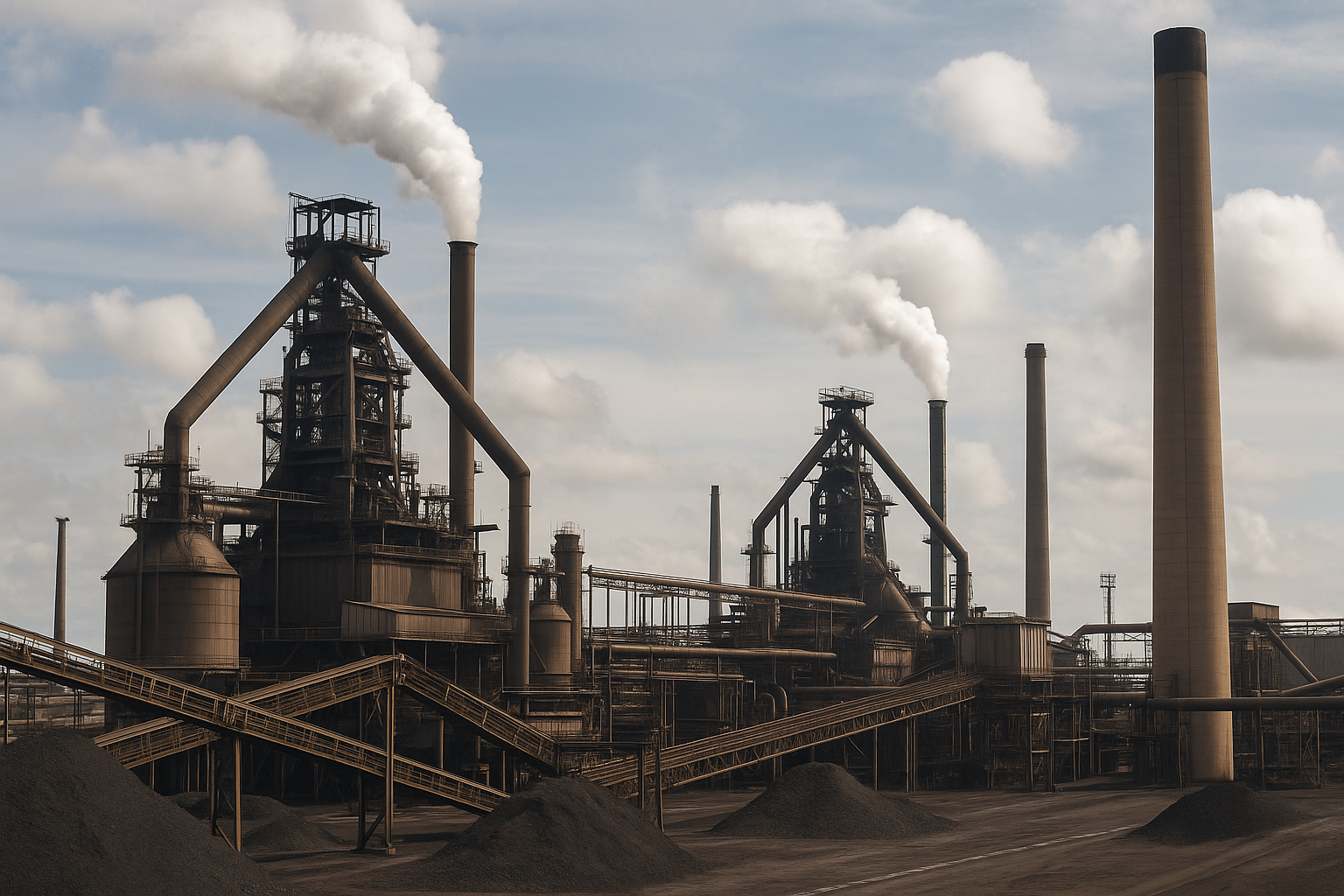
In April, the UK government intervened to manage British Steel due to concerns that Jingye, the current owner, would close the last operational blast furnaces in the country, jeopardizing thousands of jobs. Despite this intervention, which fell short of complete nationalization, Jingye retains ownership of the business, which the government has assessed to have negligible value.
Although discussions have been ongoing between government officials and Jingye, it is expected that Reynolds will join these talks in September. A senior source from the Department for Business and Trade indicated that while some public funding might be considered to ensure business continuity, significant discrepancies remain regarding valuations. The source highlighted the importance of balancing taxpayer interests with the need for a timely resolution to the situation.
A representative from the business department confirmed the government’s swift actions aimed at maintaining operations at the Scunthorpe site, working with Jingye to secure a sustainable future for the steelworks. In a noteworthy parliamentary session in April, lawmakers reconvened after the Easter recess to enact legislation allowing government control over British Steel, signaling urgent action amid the crisis.
Previously, ministers had anticipated that a nominal fee would suffice for Jingye to relinquish ownership, but recent negotiations revealed a stark difference in expectations regarding the company’s worth. Jingye reportedly communicated to government officials that they value British Steel at several hundred million pounds.
Earlier this year, the parties had disagreements over financial proposals, with Jingye turning down a £500 million offer in March, seeking instead close to £1 billion. The company cited daily losses of £700,000 when announcing closure plans for the Scunthorpe facility.
While the government has established a £2.5 billion fund to support the steel sector and is using these resources to manage daily operations at the site, officials have voiced concerns that public ownership is not a viable long-term solution. They remain hopeful of identifying a commercial partner to take over British Steel, though progress has stalled in light of Jingye’s demands.
A senior government official noted that resolving the financial disputes with Jingye is crucial to attracting new ownership, expressing that negotiations are still at a preliminary stage. Additionally, there are apprehensions regarding the implications of a full nationalization effort, which is considered a “last resort” due to potential negative signals it could send to the broader business community.
Jingye has been invited to provide comments on the ongoing negotiations.

