Story Highlight
– AI slop skyrockets in popularity on social media platforms.
– Shrimp Jesus becomes notable viral trend in 2024.
– Ghiblification trend connects AI-generated art and Miyazaki style.
– AI slop creators face low monetization success rates.
– YouTube’s content policies challenge creators’ earnings and channels.
Full Story
In the evolving digital landscape of 2025, the emergence of “AI slop” has sparked discussions around the nature of content creation online. This term, designated as Merriam-Webster’s word of the year, describes low-quality, attention-grabbing content primarily generated by artificial intelligence. The surge of such content has been a defining characteristic of the internet in 2024 and 2025, coinciding with the rise of sophisticated language models like ChatGPT and Dall-E, which have transformed content generation.
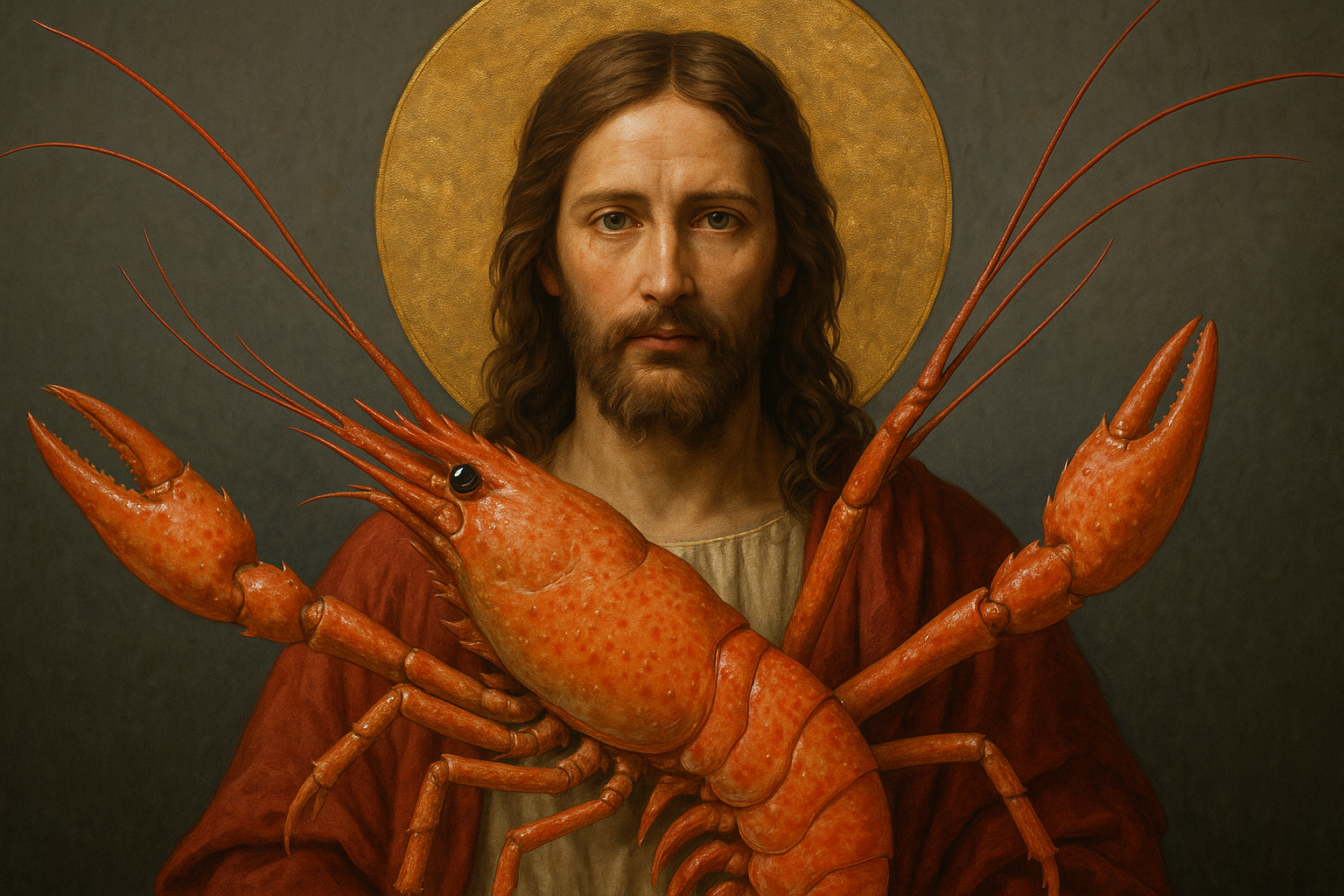
A striking example of this trend was the phenomenon of “shrimp Jesus,” a viral explosion of AI-created images capturing a fusion of religious imagery and crustaceans on platforms like Facebook. This was just one instance amid a wave of increasingly surreal videos and imagery, including peculiar celebrations and fictional narratives surrounding domestic cats, which exemplified the characteristics of AI slop.
As 2025 progressed, this genre continued to expand and evolve. The trend known as “Ghiblification” emerged, where users recreated iconic images in the beloved style of Studio Ghibli, triggered by the release of OpenAI’s GPT-4o image generator. Even Sam Altman, OpenAI’s CEO, joined the trend by transforming his profile images, despite prominent animator Hayao Miyazaki expressing strong opposition to AI technology in creative work, stating, “I would never wish to incorporate this technology into my work at all. I strongly feel this is an insult to life itself.”
The array of AI slop has included bizarrely humorous content, such as videos depicting overweight individuals participating in the Olympics and improbable scenarios involving exploding appliances. In a curious twist, Ibrahim Traoré, the military leader in Burkina Faso, found himself at the center of a cult-like trend of AI-generated content featuring images of pop star Justin Bieber in unexpected settings.
While there is some improvement in the quality of AI-generated imagery—evidenced by the reduction of bizarre anatomical features present in early outputs—the essence of AI slop largely remains unchanged: it is often disjointed, surreal, and engineered for rapid engagement with minimal effort, focusing heavily on attention-grabbing visuals and an endless supply of cat-themed content.
Analyzing the surge of this digital flotsam merely as a technological trend overlooks critical economic factors at play. This content reflects an algorithm-driven internet that prioritizes engagement, heavily influenced by a handful of dominant tech companies. As traditional avenues for professional content creators may be dwindling, those aiming for viral success through AI-generated material can see substantial returns from relatively low effort.
This global phenomenon envelops a diverse array of content creators, from individuals in the United States to regions like India and Ukraine, reflecting a bizarre form of content globalization. Arsenii Alenichev, who studies global health imagery, noted the presence of so-called “AI poverty porn” on major stock photo websites, crafted by creators who seem to originate from Eastern Europe, whom he describes as “artists that are trying to generate extreme images of everything, hoping that someone would buy them.”
However, the journey and reality of making a living from AI slop is demanding. An AI content creator named Oleksandr from Chernivtsi, Ukraine, experienced this firsthand after transitioning to digital content creation post-volleyball career. As he grappled with financial difficulties during a tumultuous period in his life, he turned to YouTube, initially focusing on music channels using AI-generated soundscapes. His initial investing efforts in quality content yielded little success. In time, he adapted to the platform’s demands, establishing a substantial operation featuring hundreds of channels.
At his peak, Oleksandr’s enterprise boasted 930 channels, with a notable conversion rate for monetized content, reportedly reaching earnings of approximately $20,000 (£15,000) a month. However, ongoing challenges arose from platform interference, including sudden takedowns of channels. His approach diversified into storytelling videos that appealed to audiences seeking nostalgic content and more provocative themes, even as the latter posed higher risks.
Despite his present decreased earnings, Oleksandr acknowledges that the landscape has transformed his life, enabling him to recover from financial struggles and build a sustainable career. Yet, he highlights a stark reality: the industry often prioritizes sensationalized imagery over meaningful content. “To make money here, you need to spend as little as possible,” he remarked, underlining the inherent utilitarian nature of current digital content creation.
In a response to the prevailing trends, a spokesperson for YouTube stated, “Generative AI is a tool, and like any tool, it can be used to make both high- and low-quality content. We remain focused on connecting our users with high-quality content, regardless of how it was made.” All content hosted on the platform is expected to comply with community guidelines, with ongoing efforts to manage violations.