
Story Highlight
– Great Britain needs AI for Olympic and Paralympic success.
– Collaboration among sports bodies is increasing significantly.
– Webborn emphasizes athlete well-being beyond medal success.
– UK aims for future Olympic bid, possibly by 2040.
– Record £330m investment planned for 2028 LA Games.
Full Story
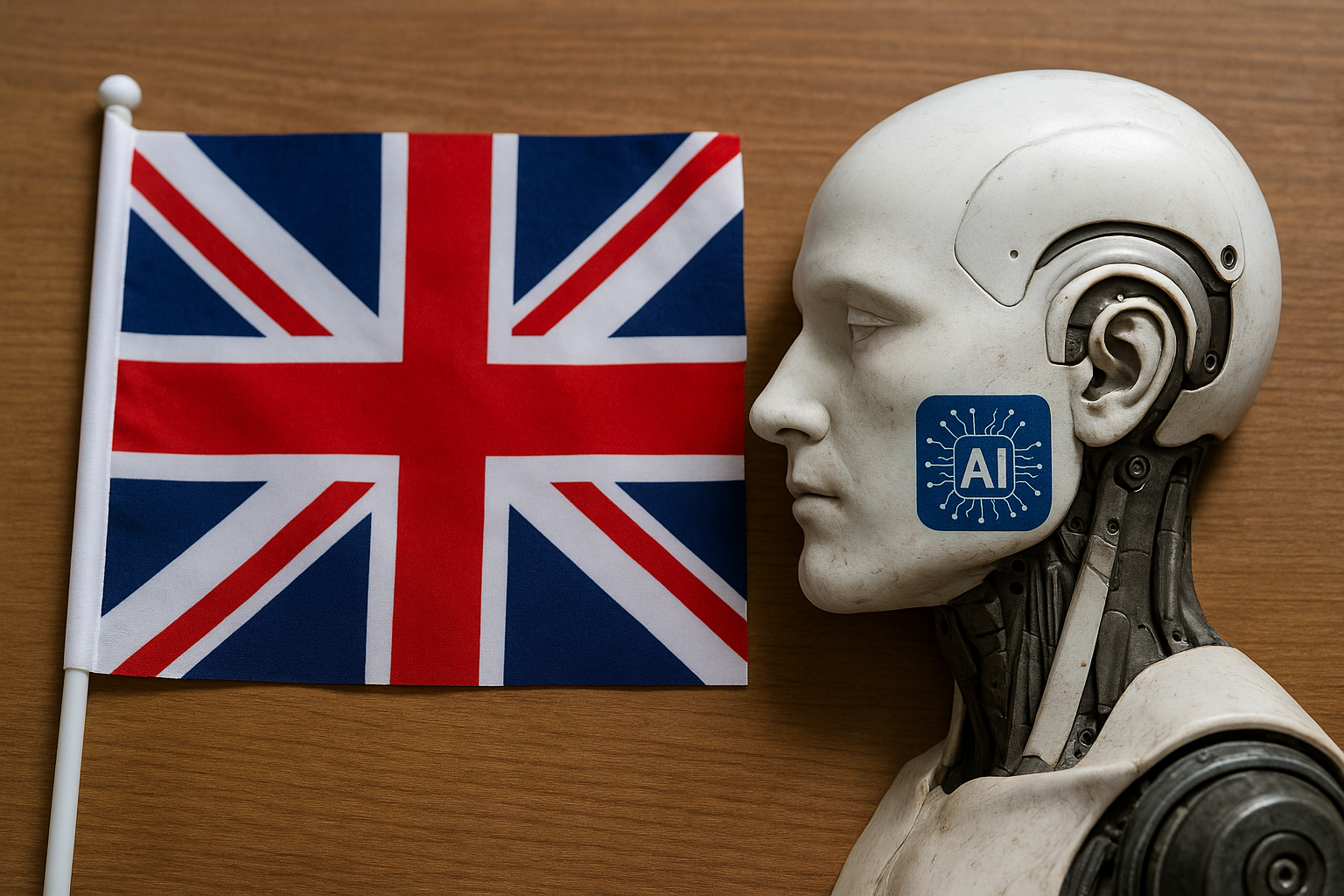
Great Britain’s Olympic and Paralympic teams must embrace the potential of artificial intelligence and foster greater collaboration among sports organizations to maintain their competitive edge, according to Nick Webborn, chair of UK Sport. In his initial interview since taking on the role, Webborn emphasized the need for a new approach to sustain the nation’s previous successes in international competitions. “We’ve been a really successful nation, and to maintain that position or to even go higher, we’re going to have to do things differently,” he stated.
Webborn highlighted the importance of innovative thinking and the effective use of technology, particularly AI, in various areas of sports. “How we think smarter now, how we utilize things like AI appropriately in sport, how we work together as different sports bodies, rather than in silos,” he noted, adding that improved information sharing between sports is crucial to remaining competitive on the podium.
A new AI-driven program will be rolled out to protect British athletes from online harassment this year, alongside initiatives aimed at talent identification, injury prevention, and remote assessments for Paralympic participants. Team GB’s performance at the Paris 2024 Olympics mirrors their 2012 success with a total of 65 medals but has seen a drop in their gold medal count, placing them seventh in the overall standings, the lowest in two decades. Webborn remarked, “We want to continue to punch above our weight. We always have done.”
The Paralympic squad has consistently performed well, maintaining a strong presence behind China in the medal rankings, but faces new challenges from emerging nations. Webborn expressed confidence in the unique spirit and innovation within the UK sports arena to sustain this status. The current collaborative climate between Olympic and Paralympic sports is stronger than ever, with officials learning from one another to enhance performance.
Though UK Sport has not set specific medal targets for the upcoming Winter Games in Milan and Cortina, Webborn remains positive. “The current group of athletes are having some amazing success in this early season, it’s great to see,” he remarked, acknowledging that early success does not always translate to medal wins.
A key focus for Webborn is to ensure that athletes are valued not just for their performance but also in their development as individuals. “It’s about the way that we win, both clean sport, and the people and behaviors that we have throughout the whole high-performance system,” he asserted. Following critiques that emerged after the Rio 2016 Games regarding welfare strategies, UK Sport, under Webborn’s predecessor, Dame Katherine Grainger, has shifted towards a more athlete-centered approach promoting well-being alongside performance.
When queried if athlete welfare takes precedence over medal tallies, Webborn stated: “No, they’re both there. It’s to win and to win well.” He emphasized the importance of nurturing athletes during their careers, noting the necessity for young sportspeople to consider their future beyond competition.
As UK Sport continues to support elite athletes, it is also focused on bringing major sporting events to British shores. Upcoming international competitions in the UK include the European Athletics Championships in 2026 and the men’s and women’s Tour de France starts in 2027. Webborn expressed interest in reviving the Olympic spirit in Britain, with aspirations towards hosting future Games, potentially around 2040, while encouraging creative ideas for locations beyond London.
Reflecting on his own journey through sport, following a spinal injury that changed his perspective on life, Webborn expressed how vital it is for sports to unite and inspire communities during challenging economic times. He concluded, “I’ve always been amazed about the power of sport to lift people… so for me to be in a position to help continue to drive that forward is a great privilege and a great honor.”