
Story Highlight
– Operational Technology (OT) monitors industrial processes and machines.
– IT/OT convergence merges traditional IT with operational technology.
– Digitalization enhances efficiency in machine and process control.
– New technologies offer benefits but increase cybersecurity risks.
– Critical infrastructures require stringent OT security measures.
Full Story
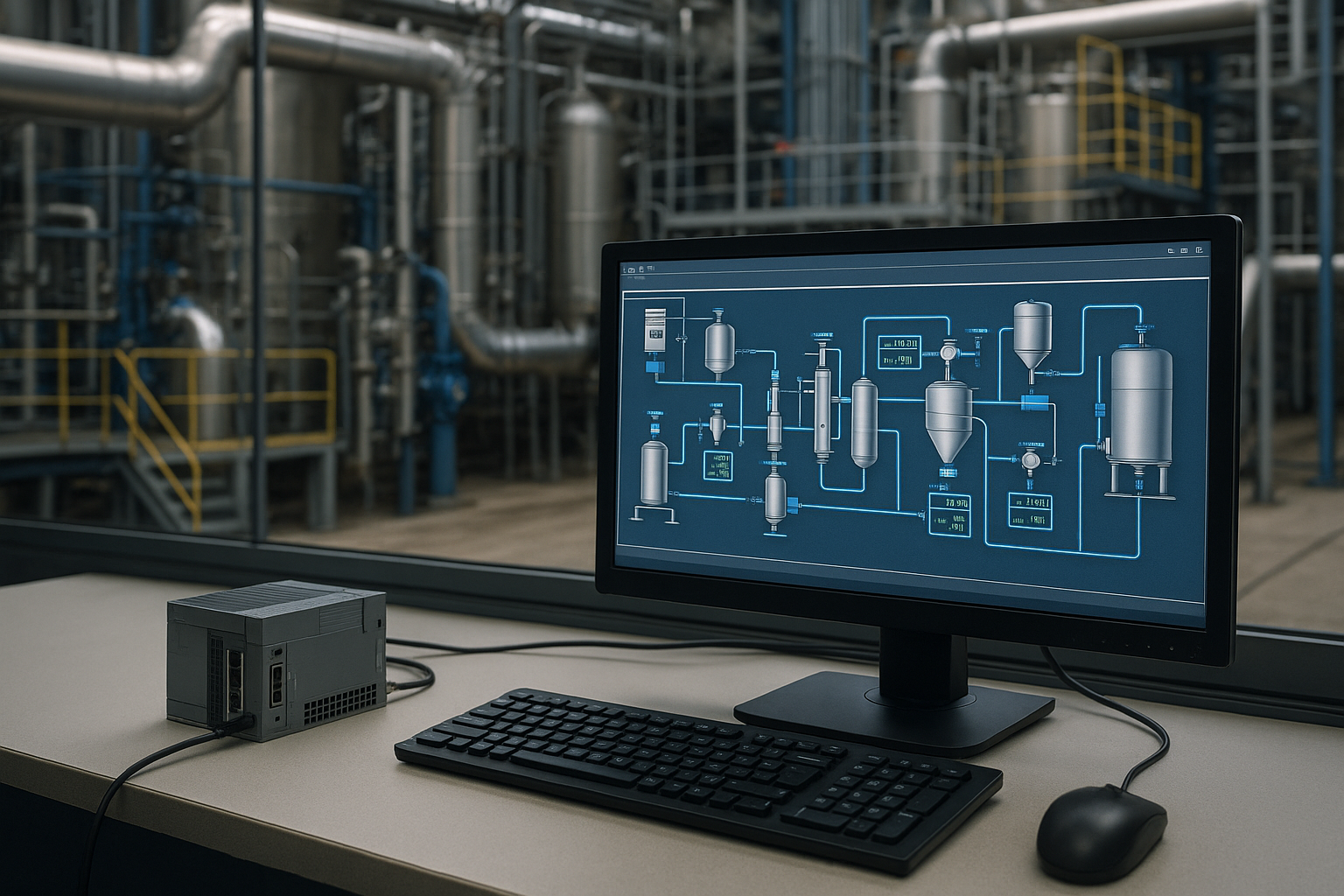
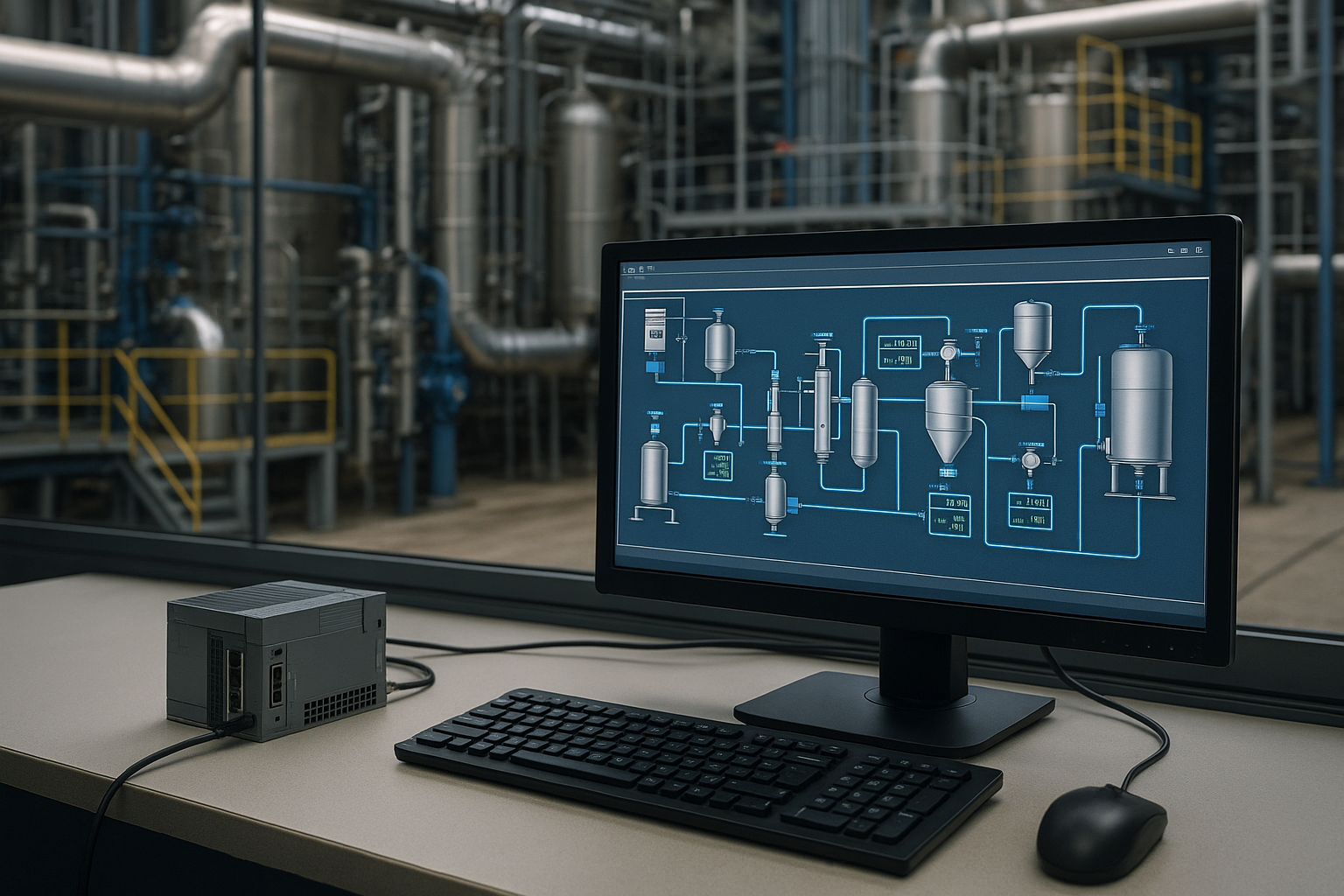
Operational Technology (OT) encompasses the software and hardware used for monitoring and controlling industrial systems, machinery, and their associated processes. Historically, these technologies operated within closed environments, often relying on proprietary solutions. With advancements in digital technology and the proliferation of the Internet of Things (IoT), a blending of traditional information technology (IT) with operational technology has emerged, termed IT/OT convergence.
OT, which translates to “operative technology” in German, refers specifically to the tools used in the oversight and management of various industrial processes and physical machines. This field has evolved from mechanical controls and devices to sophisticated electronic solutions that now incorporate connectivity and digital capabilities. In the past, OT systems functioned independently from a company’s IT systems, utilizing unique protocols and technologies. However, the rise of digital connectivity and IoT has increasingly integrated OT with standard IT frameworks, resulting in enhanced operational efficiency but also introducing new technical challenges and risks.
The integration of IT and OT is fundamental to the development of Industry 4.0, introducing innovative advantages such as predictive maintenance and real-time process management. High standards for availability, reliability, and security are essential for OT, particularly within critical infrastructure sectors, where the protection of these technologies is paramount.
While IT and OT are converging, they represent distinct domains. Information technology encompasses all systems and components involved in data processing, such as computers, servers, storage devices, and networks. IT systems support business operations and can manage productive processes. In contrast, operational technology focuses directly on overseeing and regulating machines and processes in a production setting.
The IT/OT convergence signifies a shift away from proprietary interfaces and closed systems, as technologies now leverage IP and Ethernet-based networking solutions within industrial environments. This transition facilitates improved machine control and process management, enabling innovations such as remote operation capabilities, machine-to-machine communication, and the deployment of advanced technologies like artificial intelligence, machine learning, and big data analytics.
However, this shift is not without its drawbacks. Moving away from isolated systems increases vulnerability to cyberattacks, posing threats not just to production systems but also to critical infrastructures, which can endanger lives, harm the environment, and disrupt social stability. As a result, operators of critical infrastructures face stringent requirements to safeguard their operational technologies against unauthorized access and manipulation.