
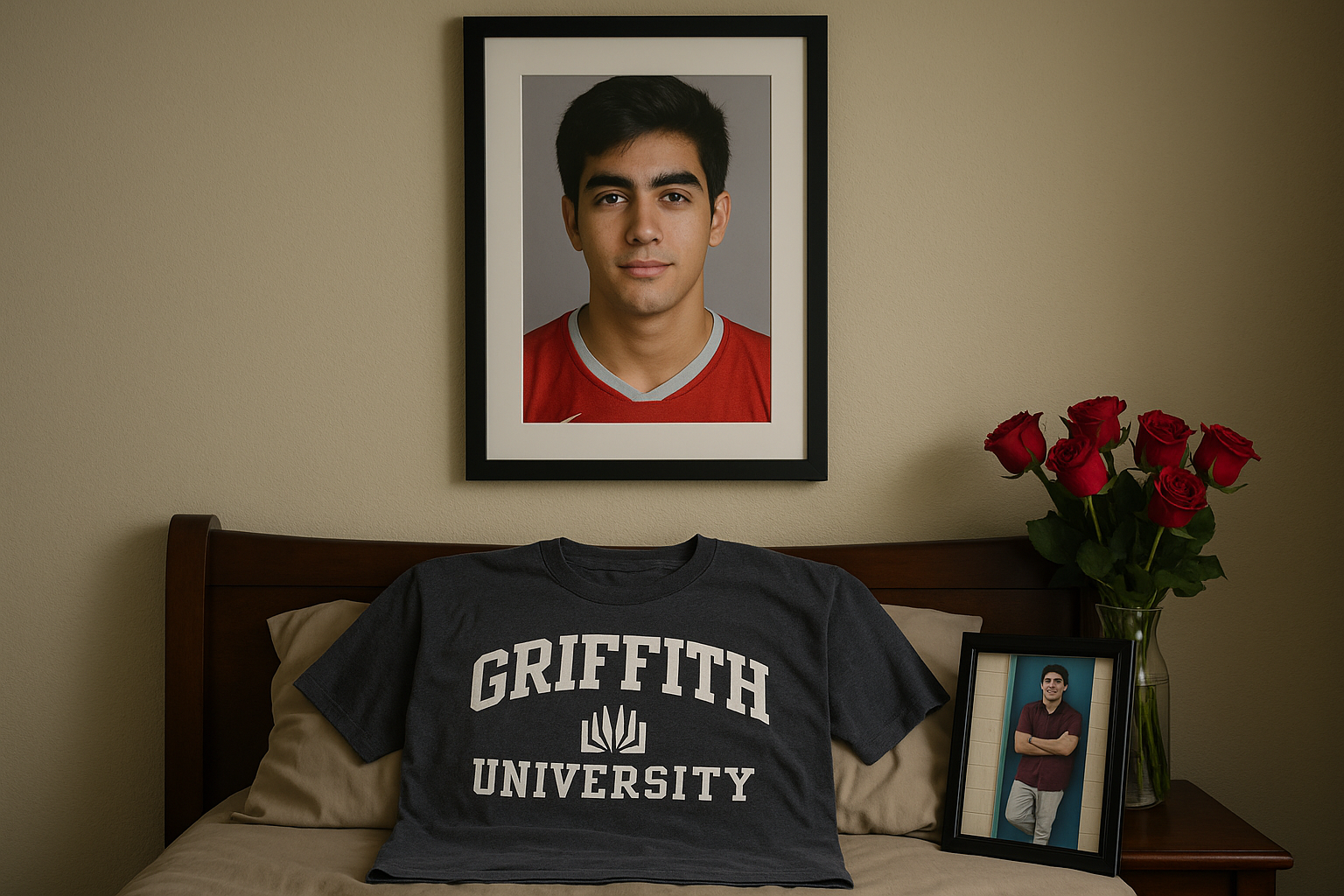
Story Highlight
– Joaquin Oliver died in the Parkland school shooting.
– AI recreates his voice for gun control advocacy.
– Families seek comfort through digital representations of deceased.
– Ethical concerns arise about AI resurrection of loved ones.
– Society grapples with reality of synthetic human interactions.
Full Story
Joaquin Oliver was fatally shot at the age of 17 during a school shooting incident that occurred in Parkland, Florida, on Valentine’s Day, marking one of the deadliest attacks at a US high school. Seven years after the tragic event, Joaquin’s desire to speak out is echoed in the sentiments of his parents, who advocate for tighter gun control measures. “We need to talk about that day to create a safer future for everyone,” he emphasizes.
In a recent discussion with former CNN journalist Jim Acosta via Substack, a unique form of remembrance was showcased: an artificial intelligence designed to emulate Joaquin’s voice. This AI, developed at the request of his parents, has allowed them to revive aspects of his personality through his past social media content, enhancing their campaign for gun reform. Manuel Oliver, Joaquin’s father, remarked that this initiative is not solely for public advocacy but also a means to reconnect with their son’s memory. His mother, Patricia, engages with the AI, frequently asking it questions and cherishing its responses.
The complexities of grief are evident, as many bereaved individuals cherish physical reminders of their loved ones. The tragic events surrounding the 9/11 attacks led families to replay answering machine messages that served as final goodbyes, a sentiment echoed by those who maintain connections through digital memories. However, as technology evolves, the line between solace and exploitation may become blurred, leading to potential ethical dilemmas in digitally resurrecting loved ones.
The burgeoning sphere of AI-driven companionship raises profound questions about identity and mortality. While the legal implications of using a deceased person’s likeness are still evolving, the societal ramifications could be significant. Among these is the prospect of creating permanent AI representations that allow continuous interaction with the departed.
Joaquin Oliver’s AI limitation—forever encapsulated at 17—reflects the tragic reality of his untimely death. Manuel acknowledges the distinction between the AI and his true son, suggesting that the digital representation serves to amplify Joaquin’s life story rather than replace him. However, there are ethical concerns regarding the potential for the AI to stray from the true essence of Joaquin, particularly as it interacts with a broader audience online.
As society continues to navigate the acceptance of AI in everyday life, there is also a risk that misinformation could proliferate through these synthetic interactions. The increasing sophistication of AI could challenge our perceptions of reality, particularly in contexts sensitive to public safety narratives.
The convergence of artificial intelligence and human emotion may fulfill a need for companionship in a society where many adults report lacking close friendships. While the comfort of AI companions is appealing, it also raises questions about the appropriateness of conjuring digital versions of those we have lost. As we confront this evolving landscape of technology and grief, the age-old adage about the cycle of life and death becomes ever more pertinent, challenging us to reflect on what it truly means to live and die in this new era.