
Story Highlight
– Apple rumored to release foldable phone by September 2026.
– Foldable iPhone may be priced at $1,999.
– Flip design could renew interest in smartphones.
– Foldable phones ideal for video watching and browsing.
– High price may limit accessibility for younger users.
Full Story
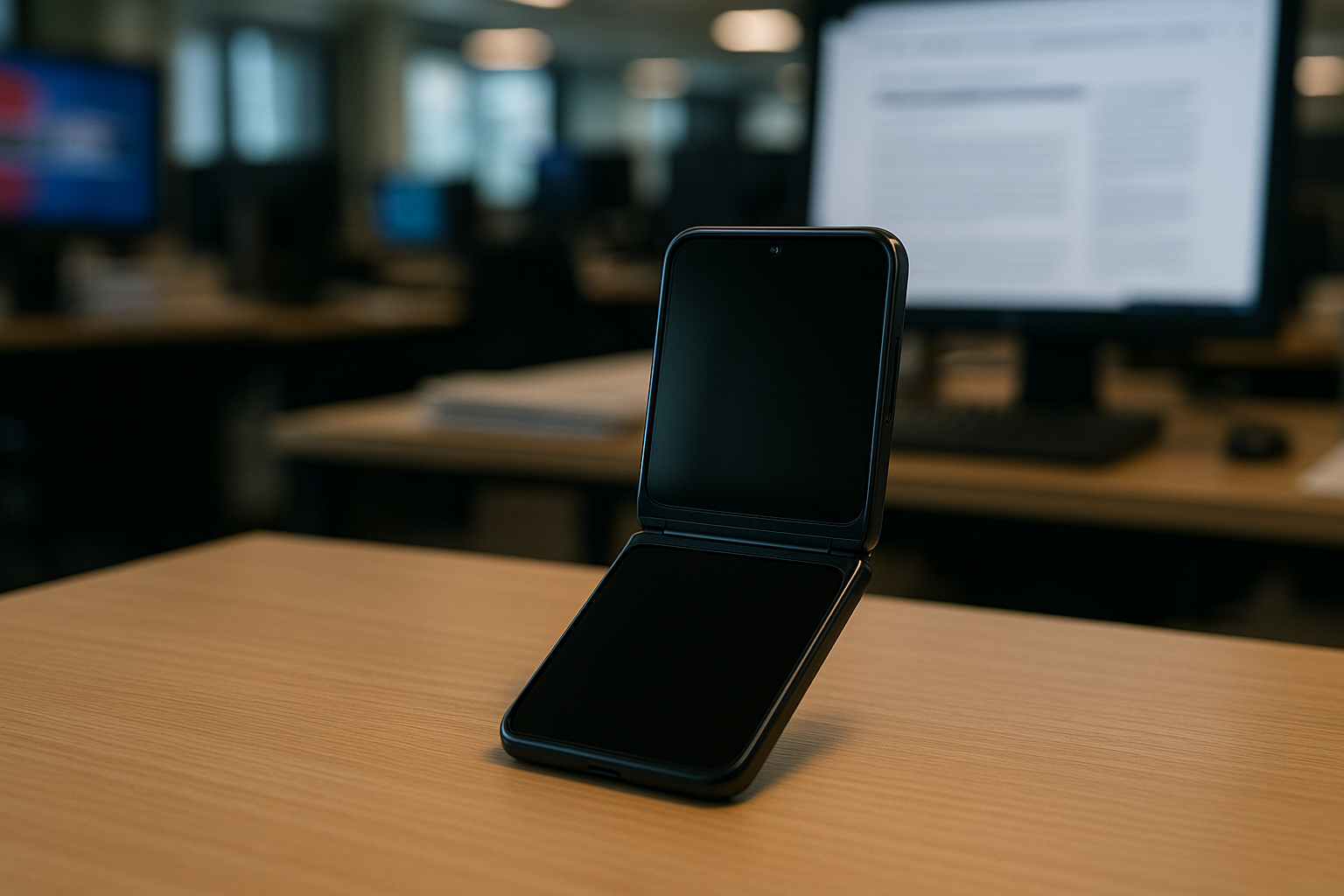
In recent years, the clamshell flip phone has made a surprising return, nearly two decades after its peak popularity in the mid-2000s. Among the manufacturers exploring this retro design is Apple, which is reportedly developing its first flip model. Although details remain scarce, it is speculated that the new device may either take cues from Samsung’s Flip model, reminiscent of early 2000s designs, or resemble the larger, modern Fold series.
According to a report from JPMorgan, the anticipated foldable iPhone is expected to be unveiled in September 2026, with a price tag around $1,999 (£1,474). This development aligns with projections indicating that the foldable smartphone market could reach 19 million units by 2025. The traditional rectangular tablet design has dominated the phone landscape for the last fifteen years, prompting questions about whether Apple’s shift towards a flip phone signifies a broader transformation in smartphone design.
Experts in technology suggest that this potential new launch reflects a wider trend in consumer behavior, with users increasingly relying on their phones for internet access over laptops or tablets. However, the pricing suggests that Apple’s offering will cater to a more premium market. “Apple and all other smartphone makers are somewhat stymied… the smartphone has become somewhat of a boring category,” noted Ben Wood, an analyst with CCS Insight, highlighting the need for innovation in a market that has grown stagnant.
Apple’s strategy appears to involve waiting for other companies to test the waters. Wood pointed out that Samsung’s earlier foldable models faced numerous issues, yet the upcoming Galaxy Flip and Fold devices are expected to showcase enhancements that may rejuvenate buyer interest. “Apple is rarely first to anything,” he remarked, noting that the company typically refines existing technologies before fully committing.
Consumer preference plays a significant role, particularly regarding the popularity of Samsung’s Flip model, which has garnered interest due to its affordability and appeal to those seeking novel options. Wood believes that Apple’s introduction of a foldable mini-tablet could significantly influence the market by providing a larger, more functional screen conducive to activities like video streaming and document browsing.
Insights from Margarita Panayiotou, a researcher at the University of Manchester, point to a growing consumer affinity for larger screens, particularly among young users who predominantly access content via smartphones. This shift suggests that a foldable design could meet the evolving needs of future consumers.
Prof. Ben Carter from King’s College London highlighted video consumption as a key advantage of foldable phones. These devices not only offer expansive screens but can also be positioned for comfortable viewing. He suggested that such designs might encourage healthier usage patterns by allowing users to manage notifications more effectively. “Disabling notifications is highly effective in reducing screen time,” he explained, tying this concept to the potential mental health benefits of using a device that can be closed, similar to a laptop.
While the novelty of foldable phones may appeal to younger generations, accessibility remains a concern. With foldable devices likely out of reach for most children, it may take years before they become commonplace, often only available through secondhand channels.
Prof. David Ellis of the University of Bath noted additional advantages associated with flip phones, such as improved screen protection and portability, coupled with a sense of nostalgia. However, he cautioned that the much-anticipated impact of foldable technologies may fall short of expectations, recalling examples of Apple’s past misadventures, such as the unprofitably received Vision Pro headset.