
Story Highlight
– Reform UK attracting anti-abortion politicians, warns campaigners.
– Pro-choice activists fear US-style abortion politicization in UK.
– Nigel Farage advocates for stricter abortion limits in parliament.
– Concerns rise over anti-abortion movements linked to Christian nationalism.
– Reform UK claims no official stance on abortion issues.
Full Story
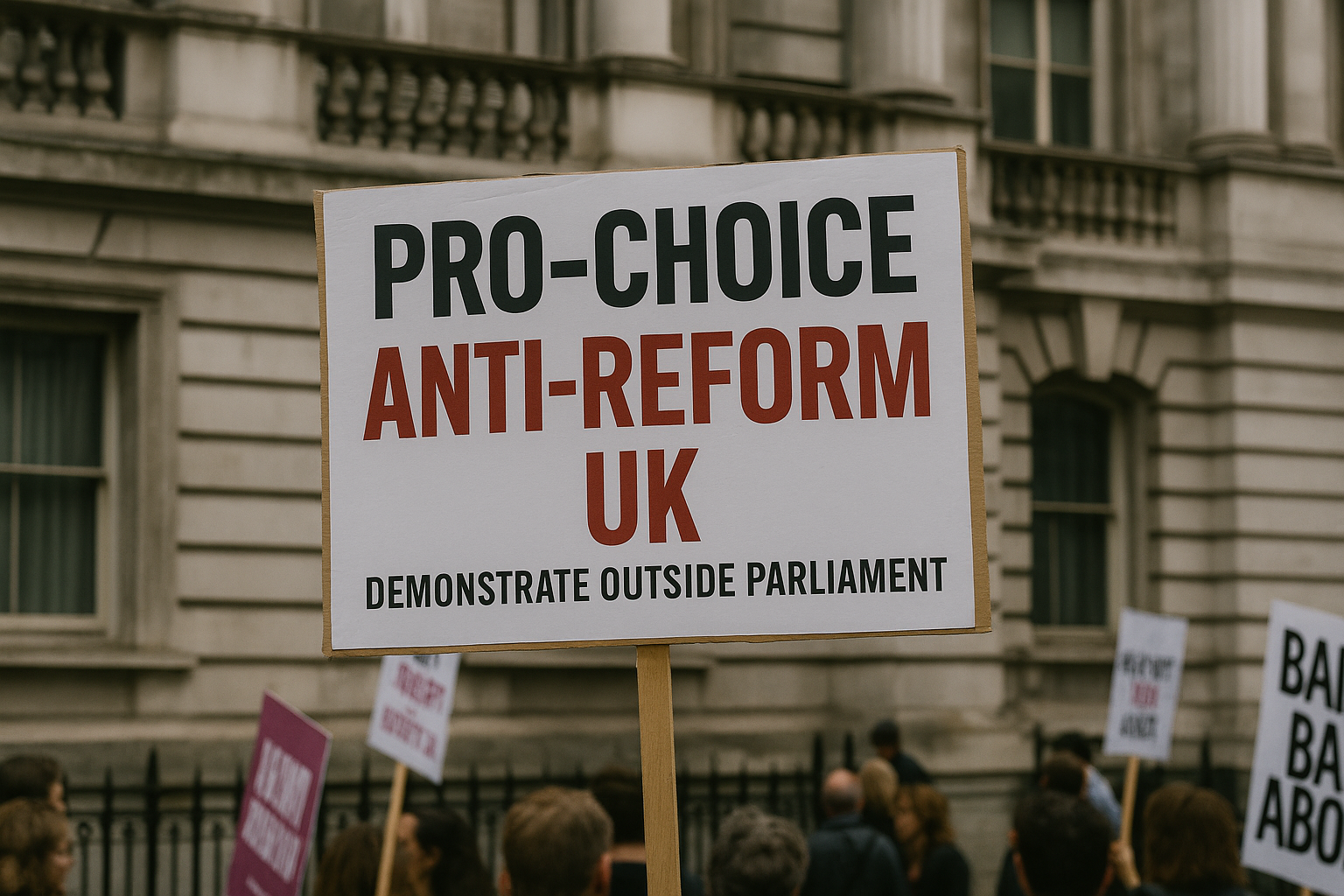
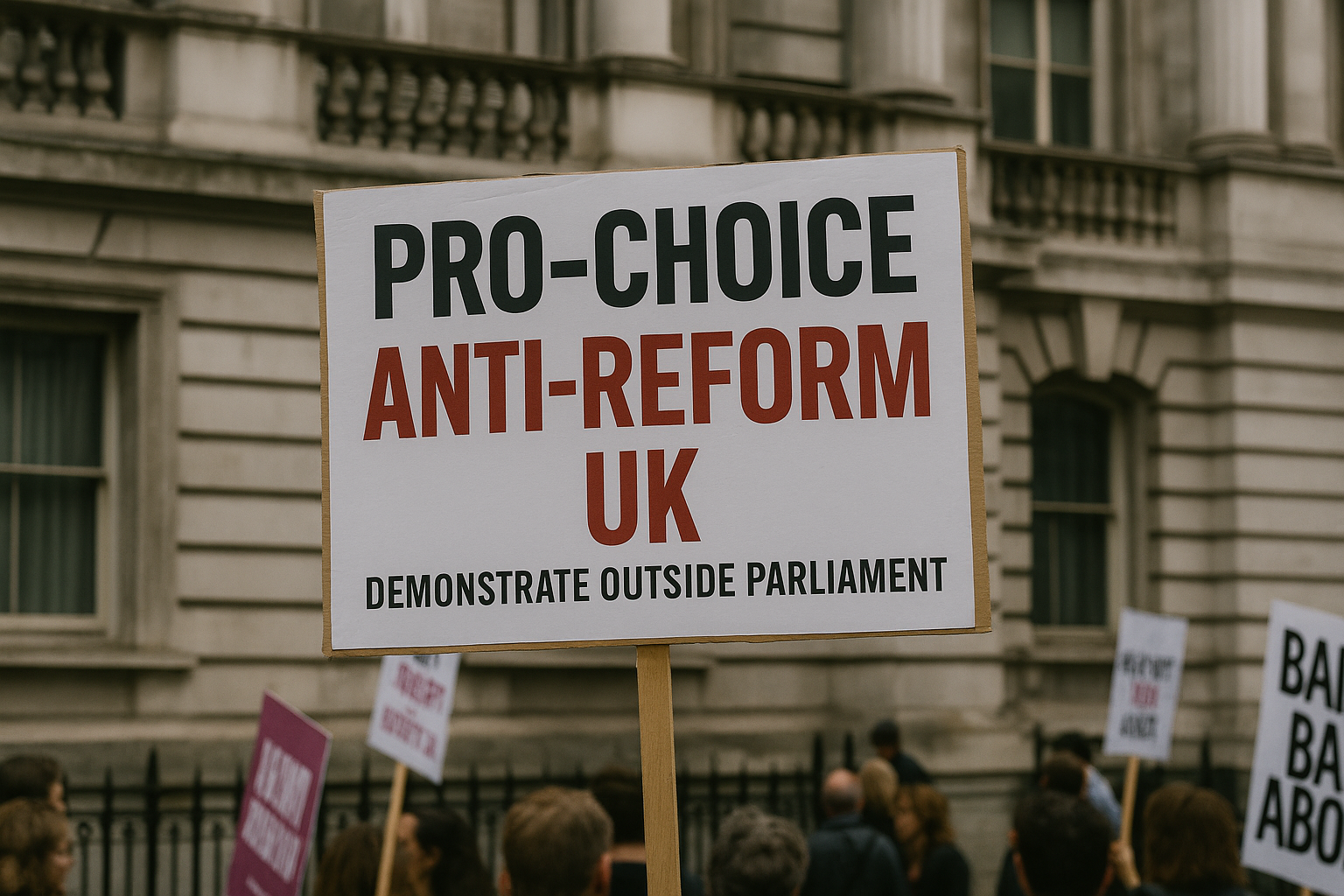
Campaigners have raised concerns that Reform UK is becoming a “political refuge for anti-abortion politicians,” amid apprehensions that the UK could witness similar politicization of abortion as seen in the United States. Pro-choice activists have voiced their alarm following the defection of several political figures to Nigel Farage’s party, who have previously advocated for stricter abortion restrictions.
The UK campaign group Abortion Rights has claimed that Reform UK is “fast becoming the political refuge for anti-abortion hardliners,” accusing it of actively promoting anti-choice sentiments. Experts have observed a shift in the UK’s political landscape concerning abortion, warning that the issue, which has traditionally been treated as a medical matter, is at risk of becoming increasingly politicized.
Kerry Abel, chair of Abortion Rights, remarked, “We’ve been seeing US-style anti-abortion politics in the UK for a long time.” She noted that the party seems to be merging immigration rhetoric with discussions on abortion and family values, a trend that has intensified since late 2024. “I think it’s cynical, and Nigel Farage is throwing it into the basket to see if it works. The defections from anti-choice MPs and ex-MPs are showing that it is working,” she added.
Though a spokesperson for Reform UK stated that the party maintains no official stance on abortion and does not plan to alter existing laws, the political affiliations of certain members raise questions. Among those who have joined Reform UK is Danny Kruger, known for his controversial statement in a 2022 parliamentary debate asserting that pregnant women do not possess an “absolute right to bodily autonomy.” He later clarified that his position had been “misunderstood.”
Additionally, former Conservative MP Maria Caulfield, who previously voted to restrict abortion access, defected to Reform UK in September. Nadine Dorries, another former Conservative MP, has also advocated for reducing the abortion time limit, while Ann Widdecombe has maintained anti-abortion views throughout her career. Last year, Nigel Farage faced criticism after suggesting that Parliament should discuss potential stricter limits on abortion, indicating that the current 24-week limit is “totally out of date.”
Emily Jackson, a professor of medical law at the London School of Economics, explained that the UK’s approach to abortion has predominantly relied on medical judgment, contrasting sharply with the highly politicized nature of abortion in the US. “Abortion has been largely depoliticized in the UK… it relies on doctors’ discretion—who largely allow patients to exercise the right to choose,” said Professor Jackson, who focuses on reproductive health issues. She expressed concern over far-right populist politicians trying to alter this non-political stance.
Other experts have highlighted how anti-abortion movements in the UK are often linked to broader political agendas, typically funded by lobbying groups. Dr. Rishita Nandagiri, a lecturer in global health and social medicine at King’s College London, noted an observable consolidation of anti-abortion politics, increasingly seeking public attention. “This isn’t just happening in the US; it’s part of a larger anti-rights issue, including anti-immigration sentiments,” she stated.
The growing concern has been echoed by Humanists UK, with chief executive Andrew Copson describing anti-abortion sentiment as a key aspect of rising Christian nationalism in the UK, a trend often seen in US politics. “We’ve been banging the drum about this for years. It’s a feature of right-wing authoritarian parties across the West,” Copson said, adding that there is a significant threat from Christian nationalism that remains under-recognized in UK politics.
Copson posited that while Reform UK appears to be aligning with anti-abortion sentiments, their voter base typically supports pro-abortion policies. “Danny Kruger going over to Reform is a sign of this. All the signs indicate that Reform is calculating to appeal to those people,” he asserted.
A spokesperson for Reform UK reiterated that the party views abortion as a matter of personal conscience, with a diverse array of opinions among its members. They reaffirmed that there are no plans to amend current abortion laws.