Story Highlight
– One-third of UK employers use “bossware” technology.
– Common methods include monitoring emails and web browsing.
– Many managers oppose tracking due to trust issues.
– Concerns about privacy impact employees’ work experiences.
– The ICO warns excessive monitoring can violate privacy rights.
Full Story
A significant portion of employers in the UK are implementing surveillance technologies, often referred to as “bossware,” to monitor employee activities. The most prevalent methods include tracking email communication and internet usage. A recent survey conducted across the UK has revealed that private sector firms are particularly inclined to adopt these monitoring practices. Approximately one in seven organizations report actively recording or reviewing employees’ screen activity.
The findings, revealed through responses gathered by the Chartered Management Institute (CMI) and shared with the Guardian, suggest an apparent rise in the use of digital surveillance in the workplace. Despite this trend, a 2023 report from the Information Commissioner’s Office (ICO) indicates that less than 20% of employees believe they are under surveillance. Interestingly, a comparable proportion of managers admitted they were unsure about the nature of the monitoring conducted by their organizations, indicating that the actual level of surveillance may be underestimated.
Many employers justify such monitoring as a means to mitigate insider threats, protect sensitive data, and identify declines in productivity. However, this practice raises concerns among a notable number of managers who argue that it compromises trust and invades employees’ privacy. One manager from an insurance company, developing AI-driven performance monitoring tools, expressed discomfort with the practice, questioning whether it signifies a lack of trust in staff capabilities or an inclination towards replacing human workers with artificial intelligence.
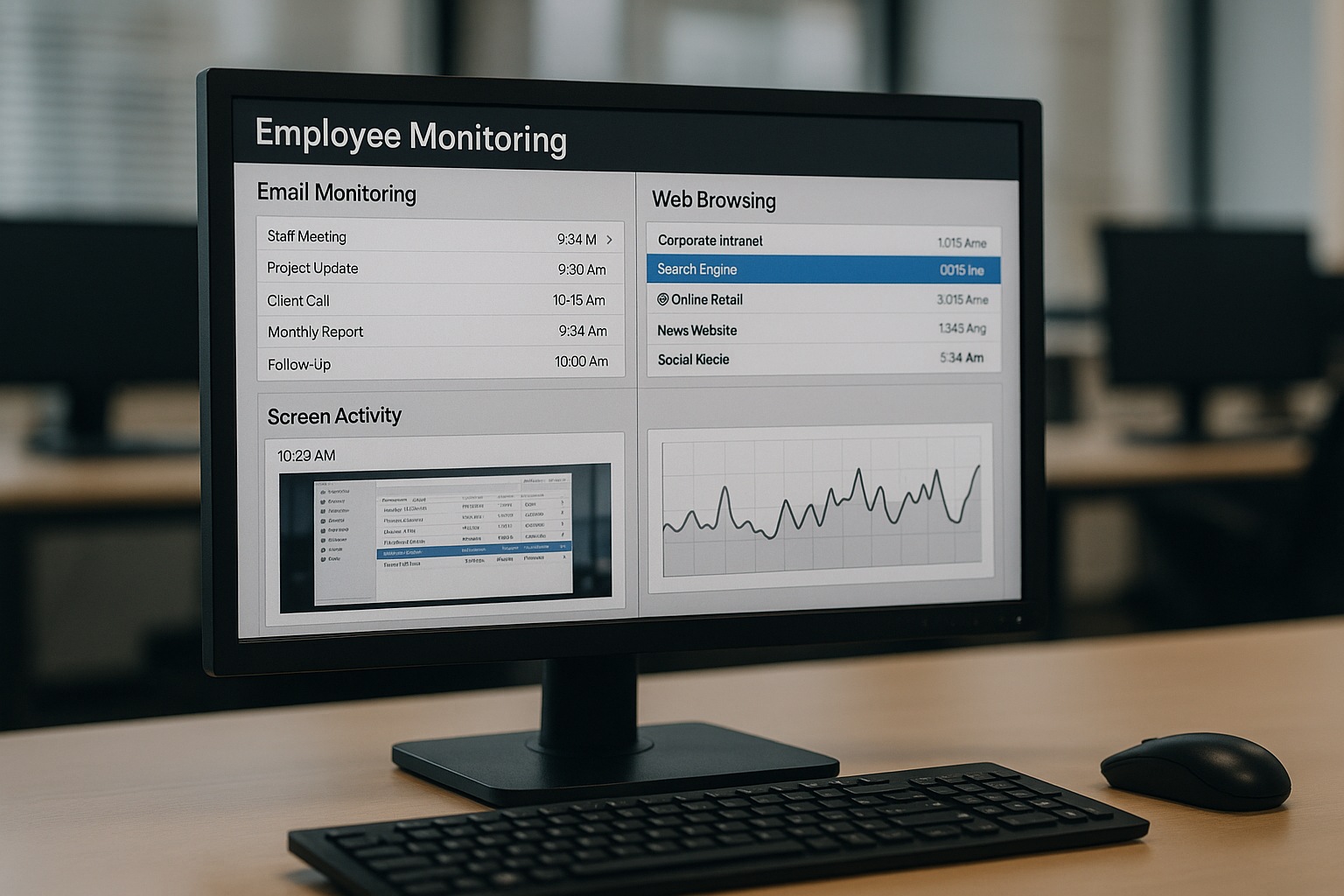
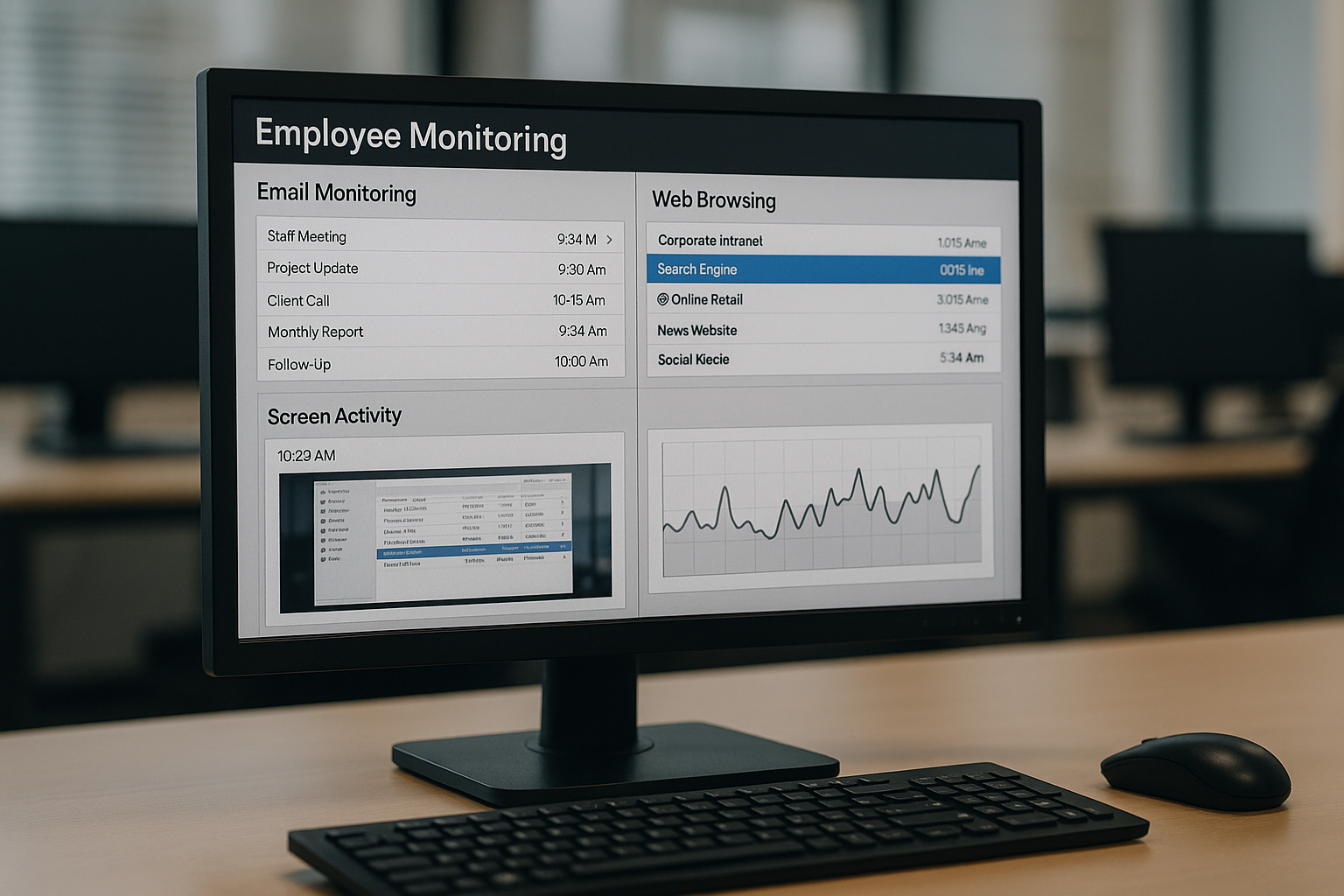
Employee monitoring services often include features that assess “idle time,” track productivity, and flag the use of unauthorized applications or social media. These systems provide employers with real-time analytics regarding employee behavior, encompassing screenshots, screen recordings, and keystroke logging.
In light of these findings, the ICO emphasized the obligation of employers to inform staff about the monitoring practices in place, including their scope and rationale. They cautioned that excessive surveillance, especially for remote workers, could erode personal privacy, stating that they would intervene if necessary. In a recent action, the ICO halted Serco, an outsourcing company, from employing facial recognition and fingerprint technology to oversee attendance at leisure facilities.
The CMI highlighted that while some monitoring is intended to prevent access to inappropriate content, the perception of being constantly watched may have longer-term negative implications on employee morale. Petra Wilton, director of policy and external affairs at CMI, stressed the importance of transparency in monitoring practices to avoid complications related to data privacy and protection.
Recent initiatives from other companies illustrate the growing trend of workplace surveillance. HSBC, for instance, plans to install an extensive network of security cameras and handprint biometric readers at its new London headquarters. Similarly, PwC has introduced a “traffic light” system to monitor staff compliance with an in-office attendance mandate, which they claim is well-received by employees.
However, not all feedback on such measures has been positive. A former senior employee at a transport authority, wishing to remain anonymous, described their experience of monitoring, including oversight of their digital calendar, as “intrusive and downright harassment,” leading to their decision to leave the job. Furthermore, 17% of managers surveyed indicated they might seek new employment if their own organizations initiated tracking of online activities.
Among those aware of their organizations’ surveillance activities, 35% confirmed that email monitoring was taking place. Tracking log-in and log-off statistics, as well as system access, emerged as the preferred surveillance methods. While 53% of managers supported the idea of monitoring employees on work devices, 42% were against the practice, primarily due to its potential to erode trust, its questionable impact on performance, and the risk of misuse leading to unjust evaluations or disciplinary measures.