
Story Highlight
– High Court injunction blocks asylum seekers from Essex hotel.
– Protests erupted after a sexual assault charge incident.
– Judge ordered asylum seekers to vacate by September 12.
– Council claims hotel use poses public safety risk.
– Home Office warns decision impacts asylum housing nationwide.
Full Story
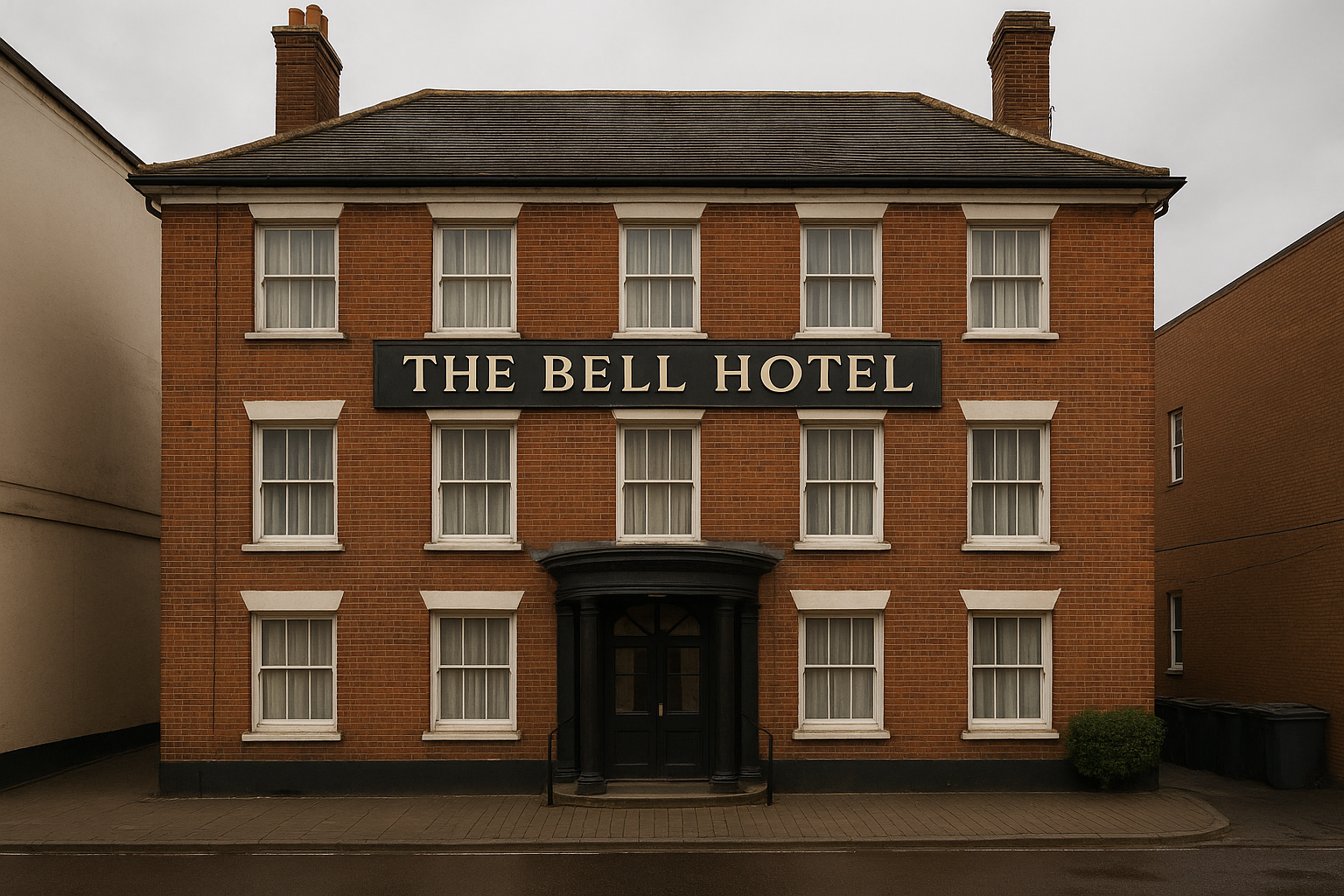
Asylum seekers are set to be relocated from a hotel in Essex after a High Court granted a temporary injunction preventing their accommodation there. Epping Forest District Council pursued the injunction to stop migrants from residing at The Bell Hotel in Epping, operated by Somani Hotels Limited.
This judicial decision follows protests outside the hotel, which gained momentum after an asylum seeker was charged with the sexual assault of a 14-year-old girl in the area. The ruling, made by Mr Justice Eyre, comes after the Home Secretary, Yvette Cooper, sought to dismiss the council’s case but was unsuccessful. According to the judge’s directive, all asylum seekers must vacate the premises by 4:00 PM BST on September 12. Currently, the hotel houses around 140 men across its 80 rooms.
The Home Office expressed concerns that this injunction could severely affect its capacity to accommodate asylum seekers in hotels throughout the UK. Protests outside The Bell Hotel have been marked by a mix of sentiments, with some individuals opposing the use of the site for asylum seekers, while others defend migrant rights. Chris Whitbread, the Conservative leader of the council, highlighted the escalating tensions caused by the protests, warning that they could inflict “irreparable harm” on the community. In light of the court’s decision, he described the current situation as a moment of relief for local residents, urging them to maintain a peaceful approach.
A small gathering of demonstrators was observed outside the hotel on Tuesday evening, amidst reports that 16 individuals have faced charges for various offenses connected to the protests, which at times turned violent. Philip Coppel KC, representing the council, acknowledged that some demonstrations were marked by disorder.
Coppel argued that Somani Hotels failed to engage with the local planning authority regarding the hotel’s altered use, positing that it no longer serves its traditional function. He controversially likened the hotel’s current status to that of a youth borstal. Legal representatives for both the hotel and the Home Secretary indicated intentions to appeal the injunction, which follows an unsuccessful last-minute bid by the Home Office to dismiss the case entirely. Edward Brown KC, for the government, voiced concern that such an injunction might prompt other councils to pursue similar actions, potentially exacerbating challenges within the asylum system.
Epping Forest council’s success in court represents a shift from three years of judicial reluctance to intervene in comparable matters. The council argued that the use of the hotel has become a public safety concern, as well as a violation of planning regulations. In his judgement, Mr Justice Eyre articulated that while Somani Hotels acted in good faith, they knowingly circumvented public scrutiny by not applying for the necessary planning permissions.
Imran Hussain from the Refugee Council stated that relying on hotels for asylum seekers is not an effective solution and called for a return to more sustainable forms of accommodation. He urged the government to collaborate with local authorities to develop better systems rather than utilizing hotels.
Reform UK’s Nigel Farage praised the ruling, commending community members for their efforts despite being labeled far-right. His deputy, Richard Tice, indicated that the party might pursue similar legal actions in other councils under their control.
Border Security Minister Angela Eagle remarked that the government is addressing longstanding challenges within the asylum system, noting the peak of over 400 hotels being used. She affirmed the intent to work with local communities to resolve valid concerns and to phase out the use of asylum hotels by the end of the current Parliament.
Meanwhile, protests intensified after the arrest of 41-year-old Hadush Kebatu from Ethiopia, charged with sexual assault and related offenses, which he denies. He is currently in custody pending a trial. Another resident of the hotel, 32-year-old Mohammed Sharwarq, described as a Syrian national, faces multiple assault charges linked to incidents allegedly occurring within the hotel premises, and he too has been remanded in custody following court proceedings.

