
Story Highlight
– Sir Keir Starmer criticizes government’s data breach handling.
– Up to 100,000 Afghans’ lives endangered by leak.
– Defence secretary accepts responsibility; no one fired yet.
– Commons committee to investigate breach; calls for accountability.
– Former minister condemns handling; demands transparency and inquiry.
Full Story
Sir Keir Starmer has expressed strong displeasure regarding the handling of a significant data breach that jeopardised the safety of approximately 100,000 Afghans, highlighting a lack of accountability despite the gravity of the situation. Following the lifting of a superinjunction, he emphasised that such a leak should have been avoidable and demanded answers from Conservative ministers.
Sir Ben Wallace, who was the defence secretary when the breach occurred, accepted liability for the incident where a Ministry of Defence official mistakenly released a spreadsheet listing the names of 18,000 Afghans. However, critics are questioning why no disciplinary actions have been taken in light of the potential dangers faced by individuals associated with UK forces amid Taliban threats. The issue has sparked calls for a thorough investigation into the events surrounding the breach.
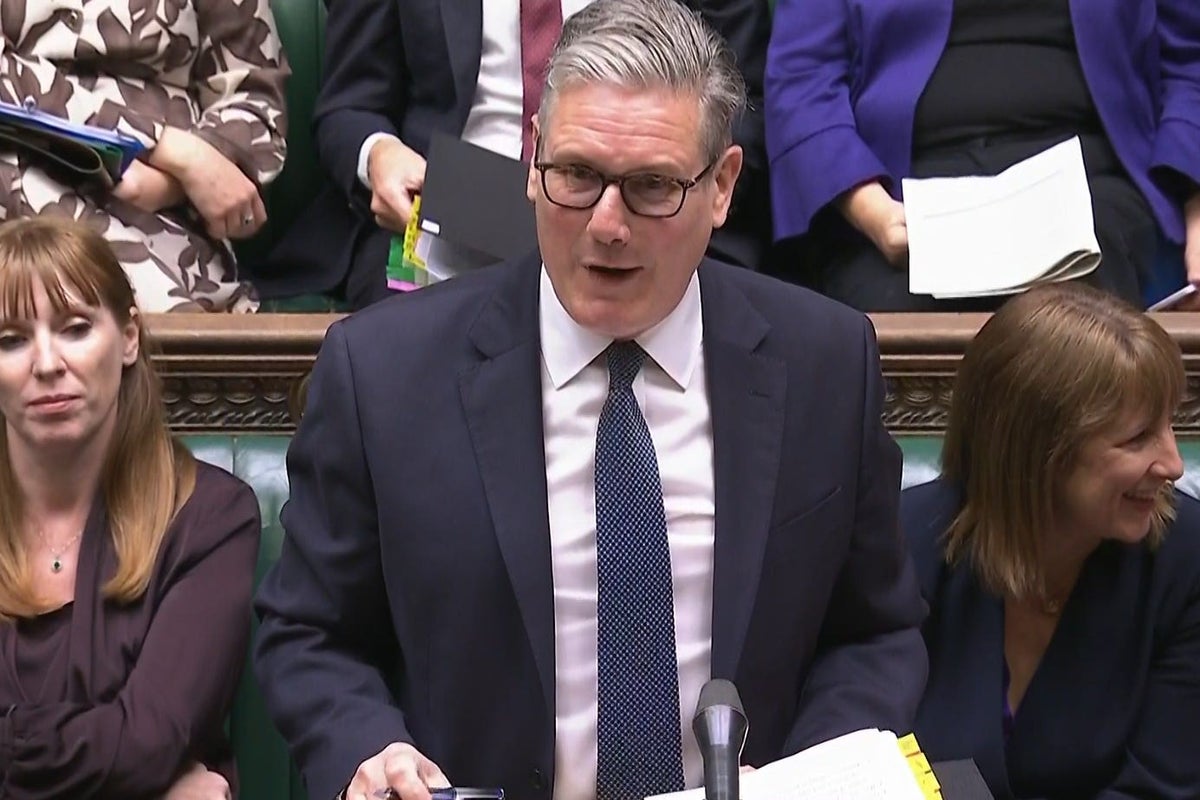
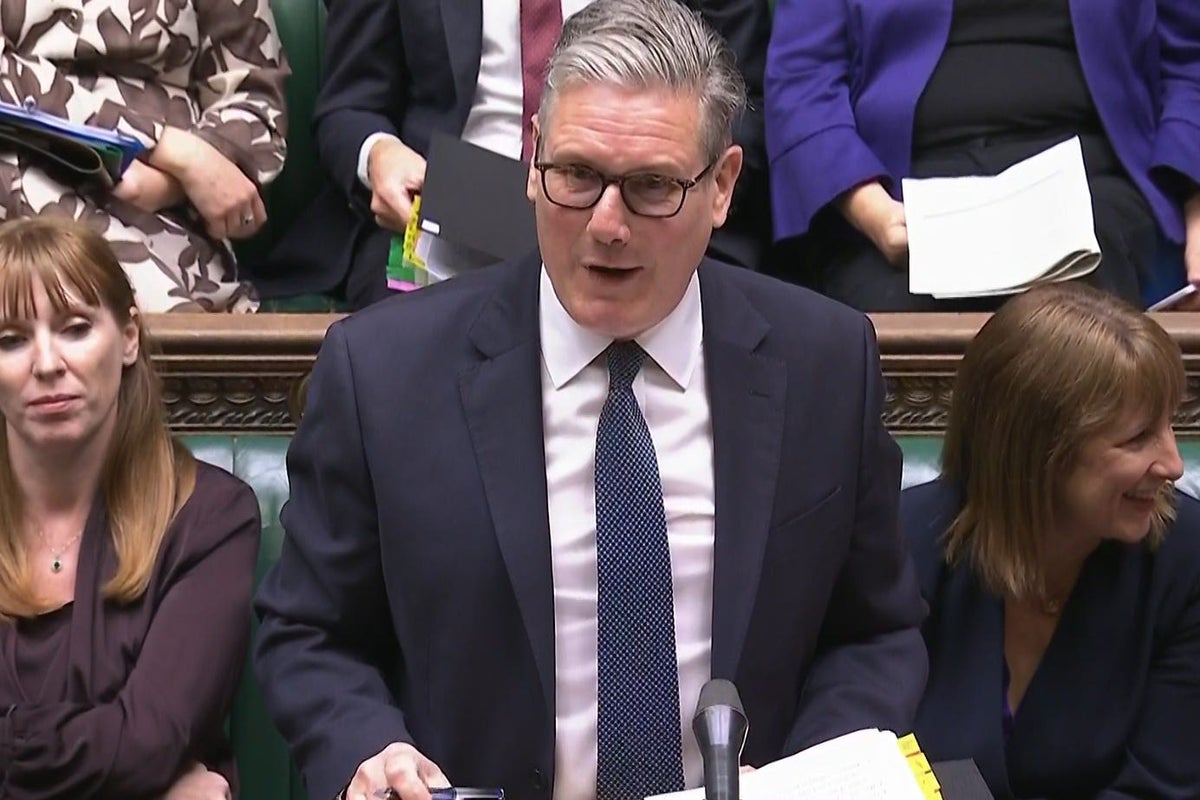
During Prime Minister’s Questions, Starmer articulated his frustrations to his fellow MPs, stating: “We warned in opposition about Conservative management of this policy and yesterday, the defence secretary set out the full extent of the failings that we inherited: a major data breach, a superinjunction, a secret route that has already cost hundreds of millions of pounds. Ministers who served under the party opposite have serious questions to answer about how this was ever allowed to happen.” He suggested that the Conservatives should be open to scrutiny from the Commons defence committee, which has committed to examining the issue.
In a surprising turn, former home secretary Suella Braverman highlighted divisions within the Conservative government regarding how to address the breach. Braverman, who opposed the superinjunction and the new arrangement for relocating affected individuals to the UK, issued a pointed critique of the previous Conservative administration under Rishi Sunak. She remarked: “There is much more that needs to be said about the conduct of the MoD, both ministers and officials, and the House of Commons is the right place to do so. I hope we have the opportunity soon. What has happened is outrageous and must never happen again.”
Various key figures from the previous government, including former Prime Minister Rishi Sunak and other high-ranking officials, have been approached for their comments but have not publicly addressed the matter as calls for accountability grow. Defence Secretary John Healey acknowledged discomfort regarding the lengthy cover-up of this information.
The Commons defence committee announced plans to initiate its own investigation, while Dame Chi Onwurah, chair of the Commons committee for science, innovation and technology, has reached out to the Information Commissioner’s Office (ICO) for clarity on its decision not to pursue its own inquiry. The ICO has previously issued a substantial fine for a less significant data breach, raising questions about its current stance.
Jon Baines, a specialist in data protection, expressed confusion over the ICO’s lack of engagement with the serious implications of this breach, noting that enforcement actions extend beyond financial penalties. He suggested that a report to Parliament could elevate the issue’s visibility and facilitate necessary discussions.
Meanwhile, concerns have emerged regarding the appropriateness of focusing blame on specific individuals involved in the breach. Tan Dhesi, chair of the defence select committee, indicated that the investigation would prioritize understanding governmental failures over individual culpability. He stated, “We want to get to the bottom of what has happened on behalf of parliament, which has been sidelined for too long on this issue.”
Calvin Bailey, a Labour MP who played a significant role during the Taliban’s swift takeover in 2021, asserted the need for thorough examination across all facets of the operation, urging that it was essential to scrutinise not only the breach itself but the broader management and oversight frameworks in place. He underscored that the defence committee is ideally positioned to handle this inquiry, as it could be more expedient and cost-effective than a full public investigation.

