Story Highlight
– UK Industrial Strategy published targeting eight growth sectors.
– Measures include reduced energy bills for targeted industries.
– Excludes major sectors like retail and agriculture.
– Government plans future support for non-targeted businesses.
– Long-term focus on renewable energy for lower bills.
Full Story
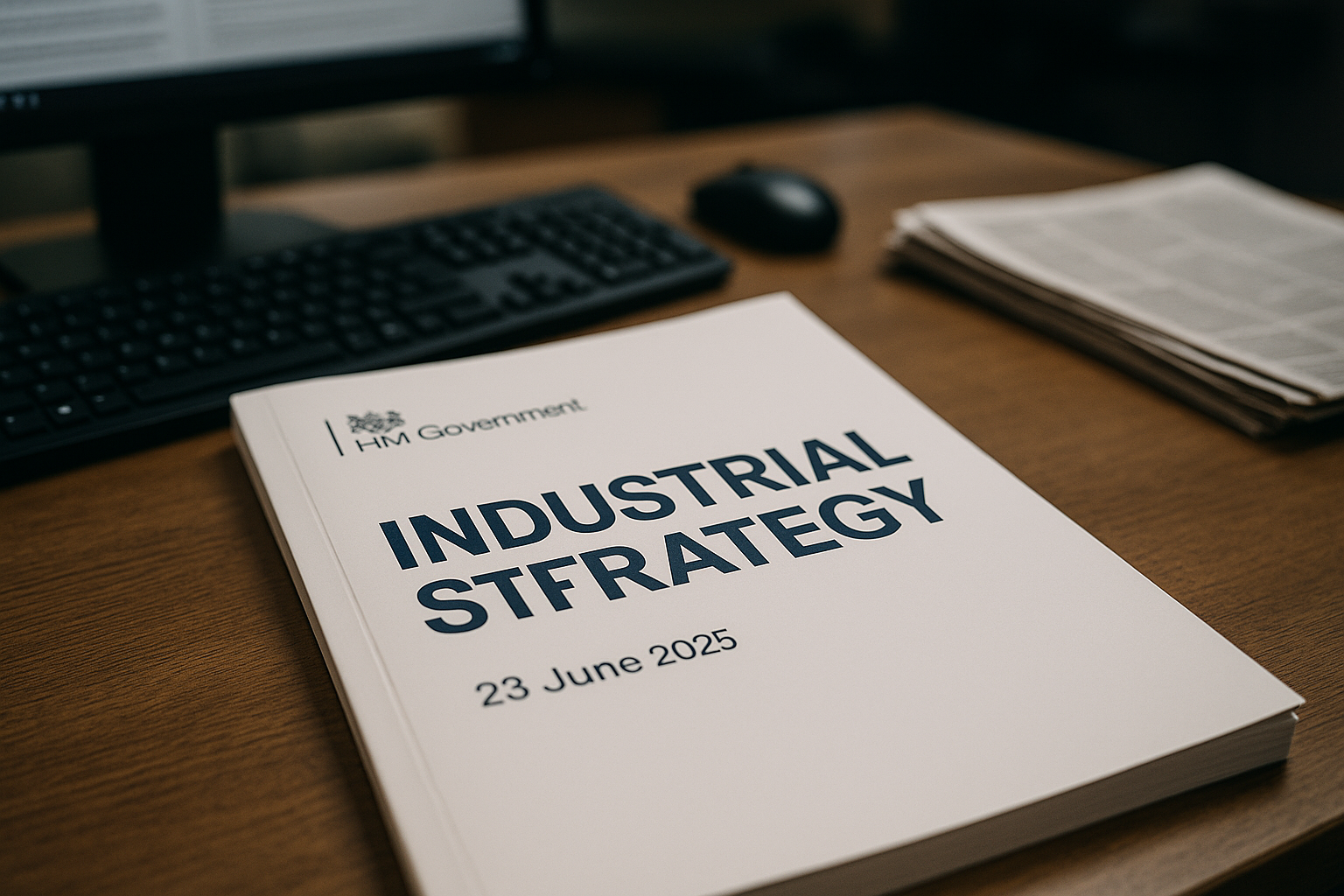
The UK government’s long-awaited Industrial Strategy was unveiled on Monday, June 23, 2025, aiming to stimulate growth in specific sectors of the economy. Analysts have examined the strategy and shared insights on its implications for businesses across the UK. The strategy identifies eight critical sectors—termed the IS-8—that the government believes hold the key to the nation’s economic expansion.
These targeted sectors encompass:
– Advanced manufacturing
– Creative industries
– Life sciences
– Clean energy
– Defense
– Digital and technology
– Financial services
– Professional services, such as legal and accounting
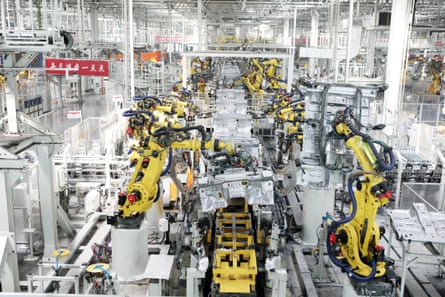
In an effort to bolster these areas, several initiatives have been introduced. Notably, the government plans to reduce energy costs for businesses within these sectors, addressing the significant financial burden high energy bills place on them. Additionally, enhanced trade support and skills training are part of the strategy, aiming to ensure a continuous influx of talent to support growth in these sectors.
However, the strategy has sparked criticism for omitting several major sectors of the UK economy, particularly retail, food and drink, and agriculture. Analysts have highlighted the disappointment felt by business leaders in these areas. Many had anticipated that the Industrial Strategy would include provisions to help them manage rising operational costs, enabling them to invest in expansion and innovation.
For businesses not included in the IS-8, uncertainty looms. While the Labour government has indicated that additional measures and policies will be forthcoming, the immediate situation remains grim for many small and medium-sized enterprises (SMEs) grappling with soaring energy expenses. These businesses often find themselves weighing the viability of continuation against the prospect of closing their doors.
The government appears to be taking a long-term approach, emphasizing the need for a transition to renewable energy sources. This strategy is expected to ultimately lead to reduced energy costs as sustainable technologies become more integrated into the energy supply for homes and businesses.
In the short term, however, the focus is on encouraging the IS-8 sectors to endure until these long-term benefits materialize. As challenges persist for many businesses, the promise of upcoming strategies brings a semblance of hope for improved conditions in the future. For those keen to keep abreast of the latest developments affecting SMEs, signing up for a newsletter could be beneficial.