
Story Highlight
– Garmin Forerunner 570 features bright OLED screen and voice assistant.
– Priced at $550, higher than many mid-range competitors.
– Offers dual-band GPS and extensive sport tracking capabilities.
– Lacks ECG, offline maps, and running tolerance features.
– Notable battery life but shorter than other models.
Full Story
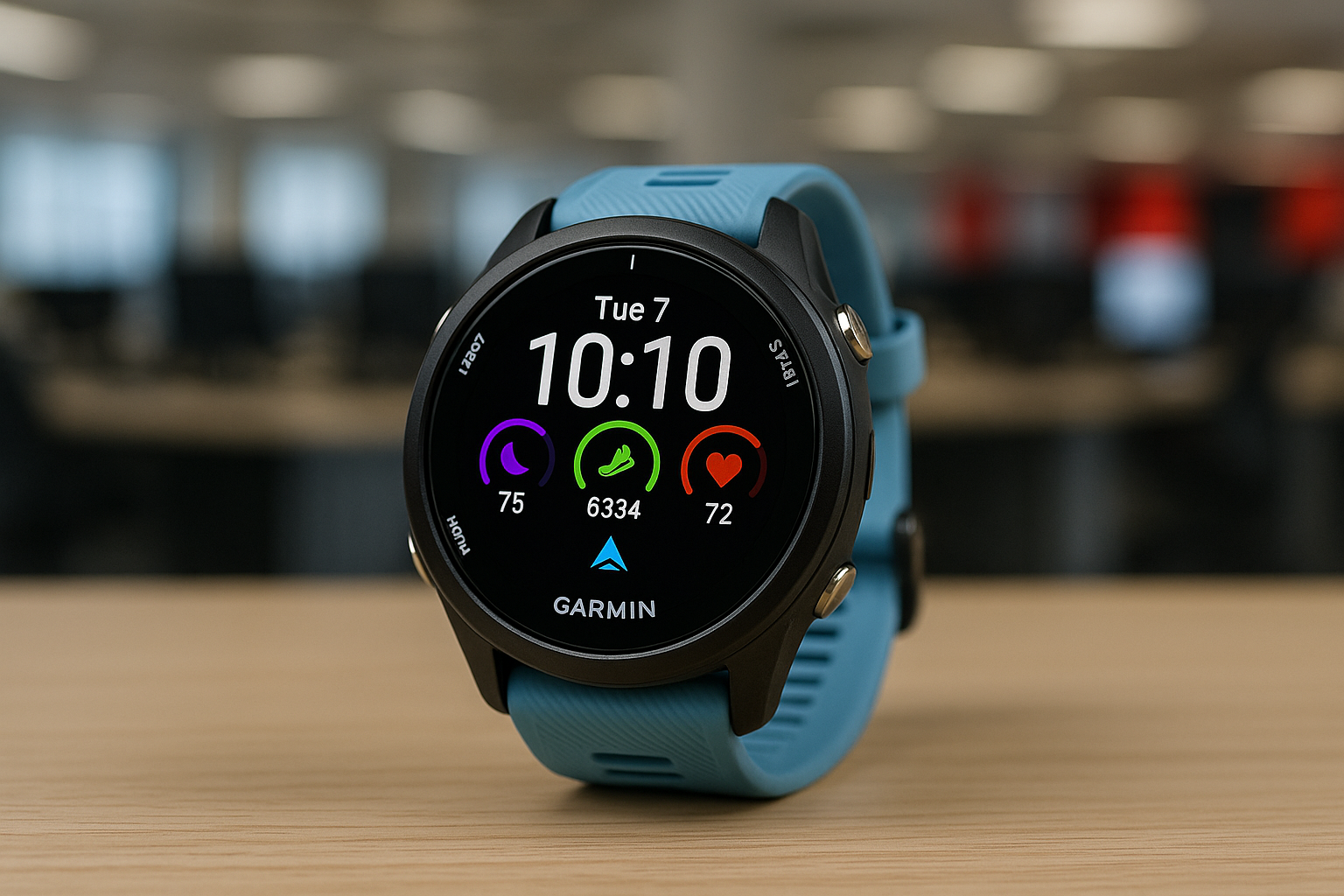
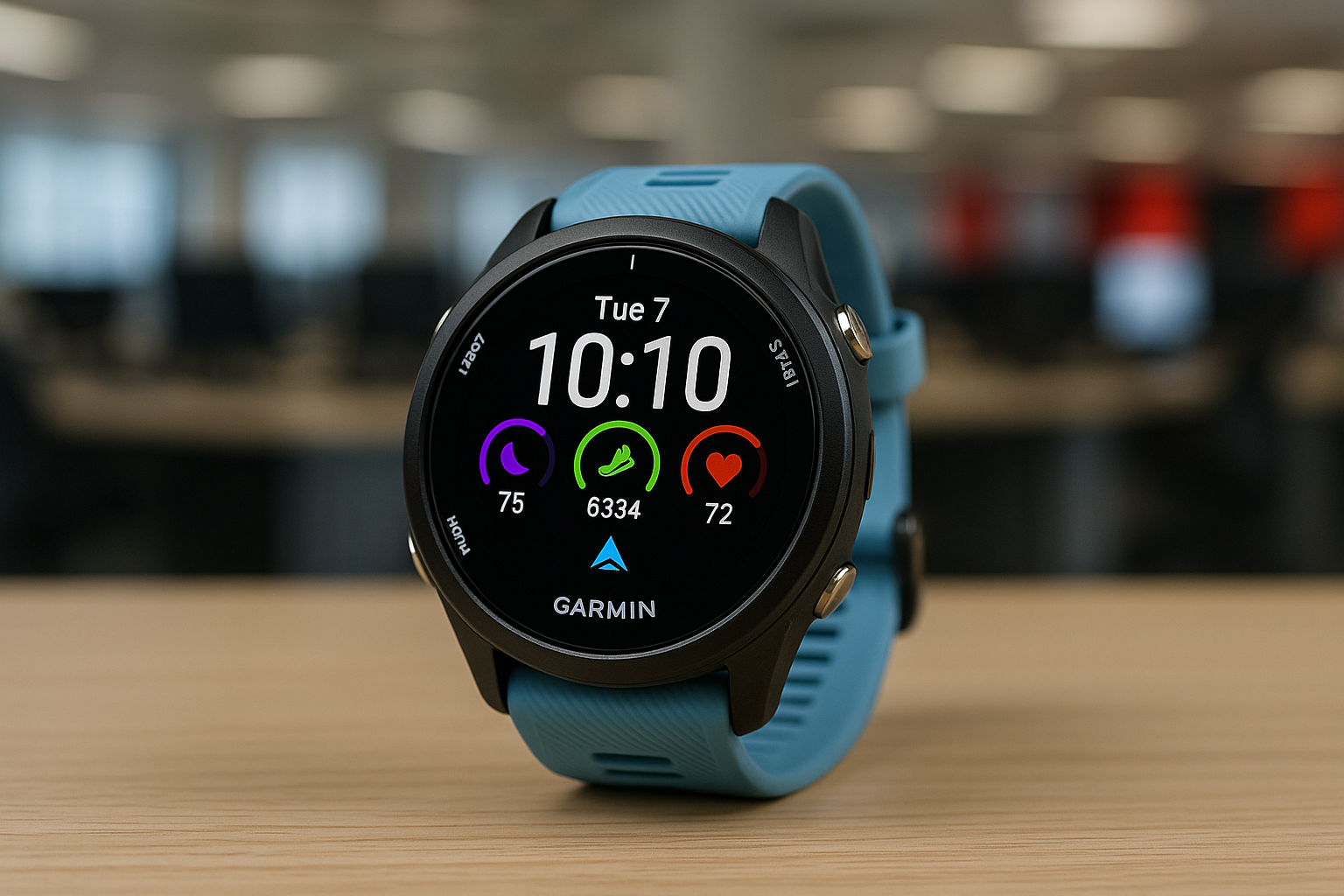
Garmin has unveiled its newest mid-range offering in the running and multisport watch market, the Forerunner 570, which boasts an impressive OLED display, enhanced sensors, and voice command capabilities. This launch continues Garmin’s upgrade of their running watch lineup, which now features improved GPS accuracy and heart rate monitoring technology. Positioned between the well-regarded Forerunner 265 and the premium Forerunner 970, the 570 brings familiarity with a few essential features omitted to justify its lower price point.
However, the entry cost of $550 (£450/€550/A$999) places the Forerunner 570 above many mid-range competitors, nearing the price of high-end models. The new watch is available in 42mm or 47mm sizes, with an array of vibrant color options as well as classic black.
Constructed with a polycarbonate body, metal buttons, and an aluminum bezel, the Forerunner 570 displays a high-quality finish, highlighted by its striking OLED touchscreen. Similar to the Fenix 8 and Forerunner 970, this model incorporates Garmin’s updated offline voice assistant, which allows users to manage timers, settings, and activity tracking via voice commands. It also pairs with smartphone voice assistants like Siri or Gemini, enabling calls directly from the watch.
With its revamped interface aligning with the Forerunner 970, the 570 enhances its smartwatch capabilities, managing notifications and music playback. The functionality extends to compatibility with the recently introduced Google Maps app, although this feature is exclusive to Android users. For music lovers, the watch supports app downloads from the Connect IQ store, including platforms like Spotify and Amazon Music, facilitating phone-free listening during workouts. Additionally, Garmin Pay allows for contactless payment, though compatibility with US banks appears limited.
The battery life for the 47mm version is around five days under standard smartwatch usage with the display always on, which is slightly less than that of the Forerunner 970 and 265. However, adjusting the screen brightness can extend battery longevity, offering up to ten days if the always-on feature is disabled.
In terms of specifications, the Forerunner 570 features:
– Display: 1.2in or 1.4in AMOLED
– Case Size: 42mm or 47mm
– Thickness: 12.9mm
– Band Size: Standard 20mm or 22mm
– Weight: 42g or 50g
– Storage: 8GB
– Water Resistance: 50 meters (5ATM)
– Sensors: GNSS (Multiband GPS, Glonass, Galileo, QZSS, BeiDou), compass, thermometer, heart rate, pulse ox
– Connectivity: Bluetooth, ANT+, Wi-Fi
For tracking fitness and daily activities, the Forerunner 570 includes Garmin’s latest optical heart rate sensor and dual-band GPS, ensuring precise tracking across over 85 sport profiles. It maintains a strong feature set for running and triathlons, such as wrist-based power and running dynamics, alongside adaptive coaching plans, performance condition metrics, and various fitness estimations. However, it does not support offline maps and is limited to breadcrumb navigation for pre-planned routes and returning to the starting point.
Garmin’s recovery tools, including training readiness assessments, remain industry-leading, though features like the new impact load and running tolerance metrics are exclusive to the Forerunner 970.
The watch can sustain around 14 hours of running at maximum accuracy settings or about eight hours when playing offline music via Bluetooth, which, while solid, isn’t class-leading compared to peers.
In terms of health monitoring, the Forerunner 570 encompasses Garmin’s recognized features such as body battery tracking, sleep coaching, and comprehensive health briefings. However, it does not include an ECG function, a notable omission when compared to similarly priced offerings from competitors like Apple, Google, and Samsung.
From a sustainability standpoint, the watch is designed to be repairable, and Garmin claims the battery retains at least 90% capacity after two years of regular charging. While it does not incorporate recycled materials, Garmin promises security updates until at least May 21, 2027, and usually supports devices well past that date. Recycling options are available with new purchases.
Priced competitively at $549.99 (£459.99/€549.99/A$999), the Forerunner 570 stands alongside various options in the market such as the Garmin Fenix 8 starting at $975, the Forerunner 970 at $775, and several other rivals like the Forerunner 165 at $310.
In summary, the Garmin Forerunner 570 presents an excellent choice for serious runners, merging style with functionality. However, its high price detracts from an unreserved endorsement, particularly given the absence of features like offline maps and ECG monitoring. With its accurate GPS capabilities and extensive tracking options, it remains a solid contender but may benefit from future discounts to enhance its competitiveness in a crowded market.
**Pros:** Bright OLED display, voice control compatibility, extensive sport tracking, offline music playback, and accurate GPS.
**Cons:** High price point, no ECG, lacks offline maps, shorter battery life compared to other models, and limited smartwatch functionalities in comparison to Apple, Google, and Samsung devices.