Story Highlight
– Lord Jim O’Neill declines role in Burnham’s government.
– Prefers current independence over formal government constraints.
– Supports Greater Manchester’s economic growth strategy.
– Advocates cautious approach to welfare spending reform.
– Opposes increased taxes, especially on venture capital.
Full Story
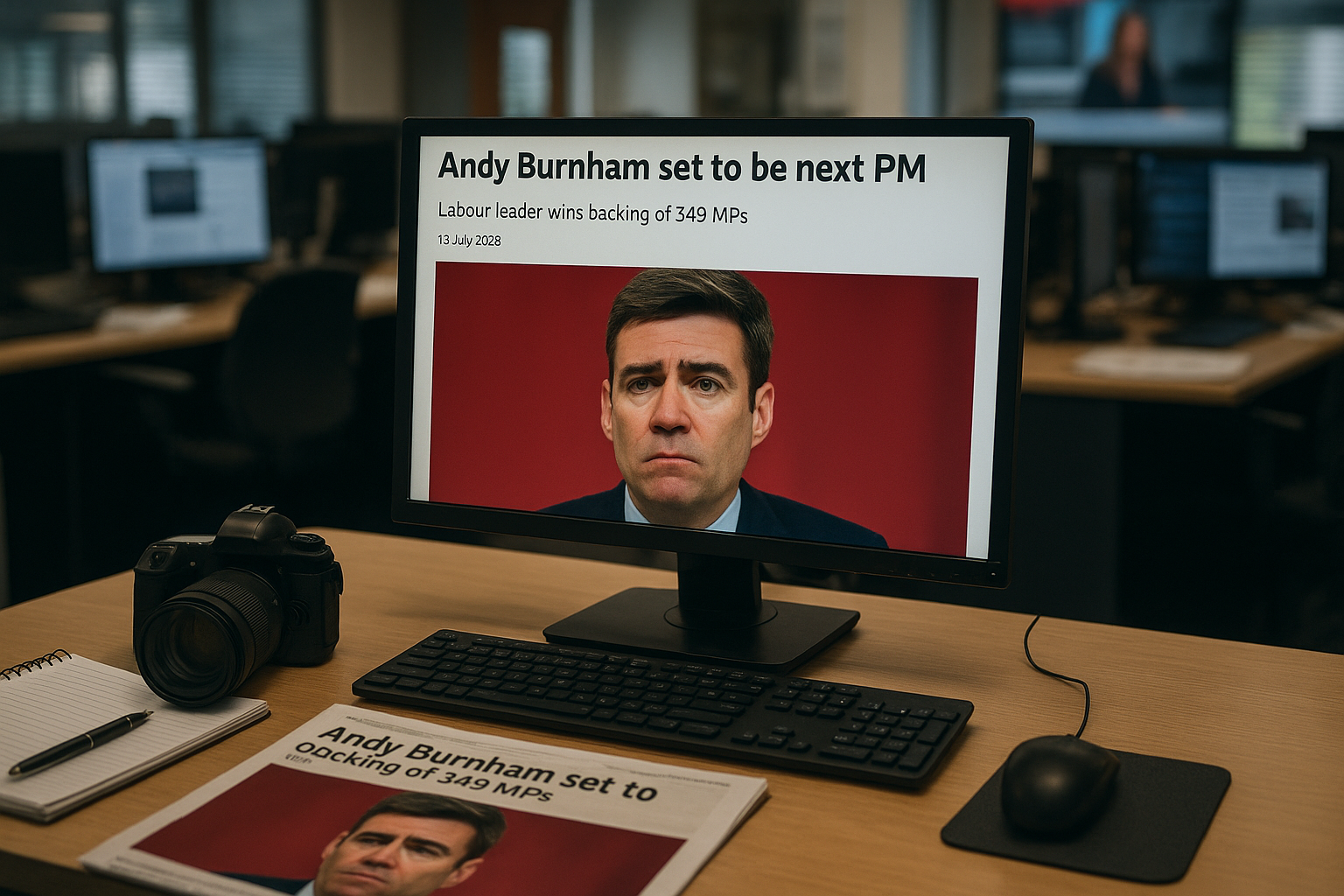
Economist Lord Jim O’Neill has announced that he will not be joining Andy Burnham’s administration, despite earlier speculation regarding his potential appointment as chief economic adviser. A former treasury minister under the Conservative government, Lord O’Neill indicated that he prefers to maintain his current engagements rather than accept a formal government position, which would restrict his business activities.
In an interview on BBC Radio 4’s Today program, Lord O’Neill expressed satisfaction with his existing commitments, stating, “I have lots of other things that I very much enjoy.” He highlighted that being a minister comes with “all the constraints that understandably go with it,” including the need to place investments in blind trusts, which prevent ministers from having knowledge of their own financial dealings to mitigate conflicts of interest. He shared that he would rather continue as an independent voice and manage other aspects of his life.
O’Neill, speaking to the Financial Times, clarified that his decision was not driven by any disagreements over policy. He expressed strong support for the devolution agenda, hoping that Burnham and his team would approach it with boldness. He cited the economic growth seen in Greater Manchester as an exemplary model, suggesting that mirroring such success in urban areas could enhance national economic performance.
Regarding the upcoming budget in October, when questioned by the BBC about potential tax increases, O’Neill stated that the decision ultimately lies with the prime minister and his team, particularly in light of their ambitions for enhanced defense spending and other priorities. When asked about the introduction of wealth taxes, he voiced his opposition to further hikes, especially concerning capital gains tax on ventures linked to risk-taking.
Lord O’Neill emphasized the need for a more prudent approach to government spending and welfare reform, referencing the significant increases in public expenditure over recent years. His previous role as commercial secretary to the Treasury during the tenure of then-Chancellor George Osborne from 2015 to 2016 provided him with insight into the intricacies of economic management.
As a notable figure who championed the Northern Powerhouse initiative aimed at revitalizing the North of England’s economy, he remains a significant voice in contemporary economic discussions. Moreover, Lord O’Neill is renowned for coining the term “Bric” in 2001, identifying Brazil, Russia, India, and China as emerging markets with substantial growth potential, a label that was later expanded to include South Africa, forming the acronym Brics.