
Story Highlight
– Over 50,000 migrants crossed the Channel since July 2023.
– Labour promises to reduce crossings and tackle smuggling gangs.
– Woman dies attempting Channel crossing; emergency efforts fail.
– Government faces criticism over migrant return scheme effectiveness.
– Calls for safe routes to prevent dangerous crossings continue.
Full Story
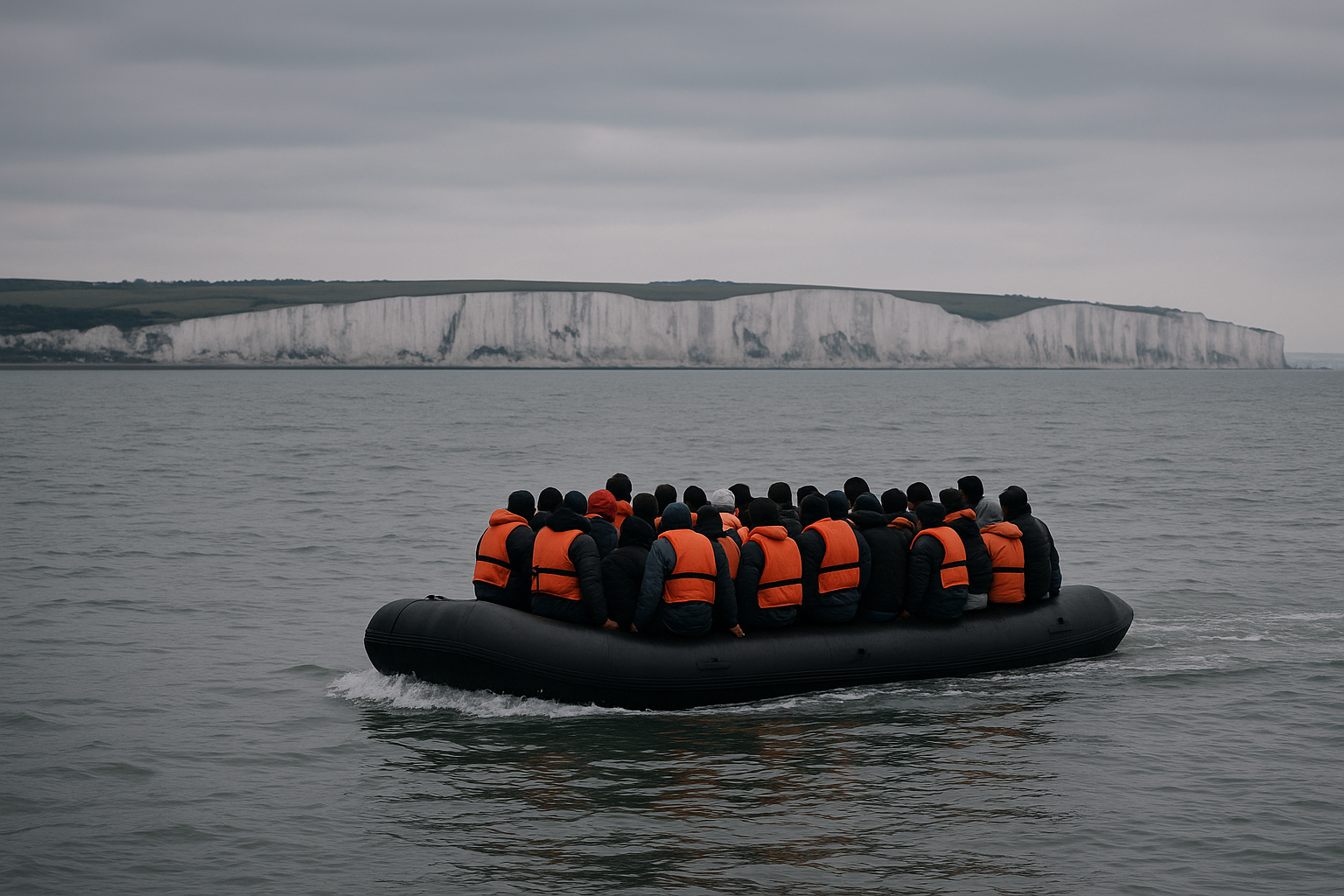
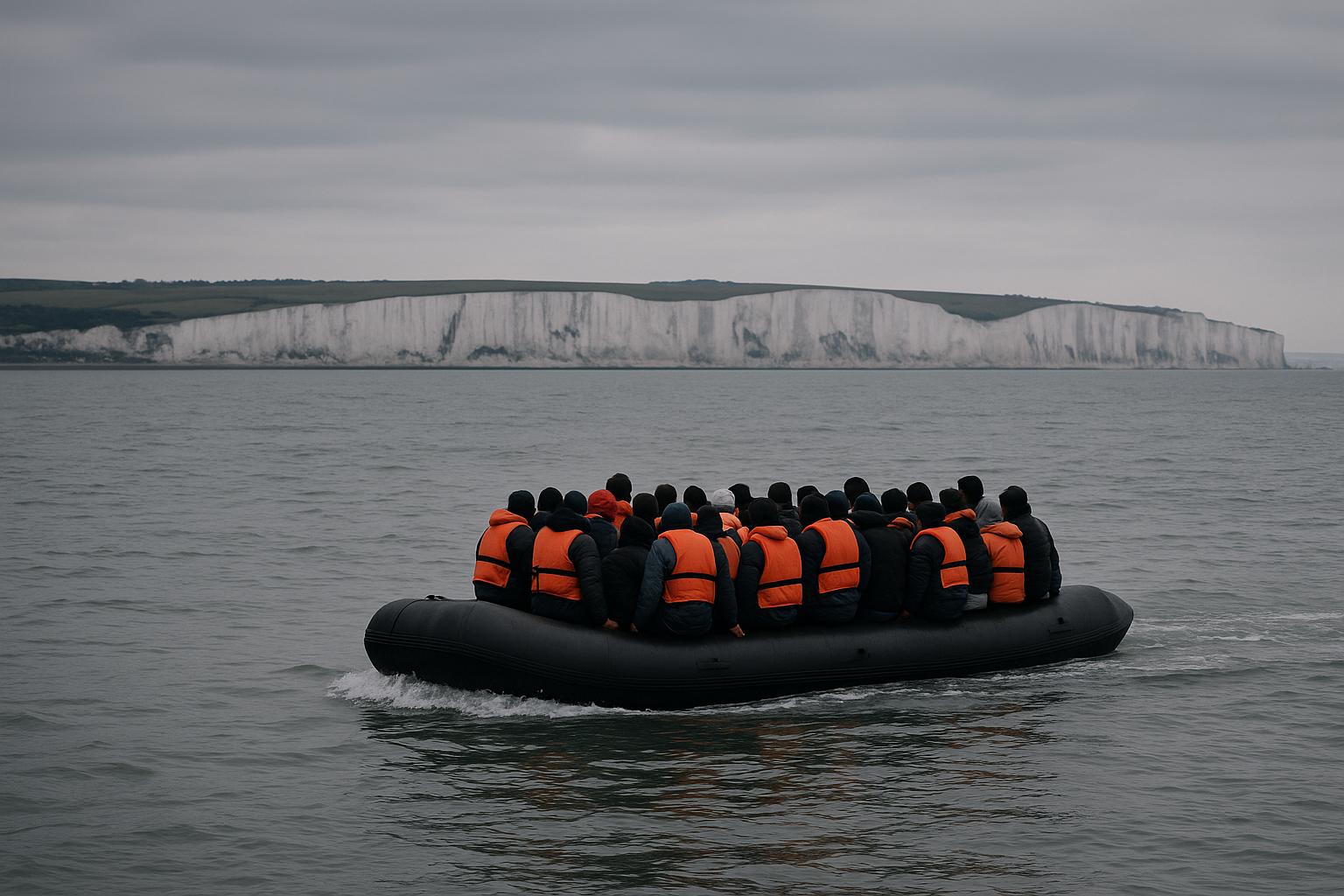
The UK Home Office has reported that the number of migrants crossing the English Channel in small boats has exceeded 50,000 since the Labour government took office last summer, with 50,271 individuals recorded as having made the perilous journey as of Monday. This milestone follows the arrival of 474 migrants on that day alone.
Bridget Phillipson, the Education Secretary, acknowledged the public’s concerns, stating that the government “will turn this around.” During the general election, Labour committed to dismantling people-smuggling networks and reducing the number of Channel crossings. In response, Kemi Badenoch, the leader of the Conservative Party, suggested that the latest figures have rendered Labour’s promises merely a “slogan.”
In a separate development, French authorities reported a tragic incident in which a woman, believed to be in her 30s, lost her life while attempting to board a small boat for the UK. The incident occurred on Malo beach in Dunkirk early on Monday morning. Local news sources indicated that emergency services attempted resuscitation, but sadly, the woman did not survive.
The International Organization for Migration (IOM) has indicated that at least 20 individuals have died this year while attempting to navigate the Channel, a figure which includes those who perished due to various other circumstances unrelated to crossing itself.
On the same day, French maritime authorities conducted rescues of 166 people across four operations attempting the crossing. Some migrants reportedly declined rescue, prompting officials to allow them to continue their journeys due to concerns about the fragility of their vessels.
Since Labour assumed power on July 5 of last year, the number of small boat crossings has increased significantly compared to the same period the previous year. In the comparable timeframe, there were 36,346 crossings recorded. Previously, between October 8, 2021, and November 14, 2022, under the Conservative government, there were 53,587 crossings.
Government officials have suggested that unusually calm weather earlier this year contributed to the rise in crossings. Politically, reaching the 50,000 crossing mark poses a challenge for the current administration, particularly given its pledges to combat smuggling operations—a key commitment from Sir Keir Starmer upon becoming Prime Minister.
During a visit to Derby, Phillipson stated that the government had “inherited an enormous challenge” regarding border control, pledging that improvements would be made through new measures being introduced. Among these is a “one in, one out” returns agreement with France, which aims to facilitate the return of some migrants to France in exchange for receiving a similar number of asylum seekers with legitimate claims.
Though a source confirmed that several dozen migrants have been detained under this new agreement, the government did not disclose specific figures. Dunkirk’s mayor, Patrice Vergriete, criticized the returns policy, asserting that it would likely heighten risks and tensions along the coastline. He condemned the current handling of the migration crisis as “absurd, ineffective, and cruel.”
The Conservatives have accused Labour of failing to manage the situation effectively, claiming to be witnessing “the worst illegal immigration crisis in our history.” Shadow Home Secretary Chris Philp asserted that the government has “surrendered our borders,” which has led to chaos and costs incurred by the British public.
In a recent interview, Kevin Saunders, a former Chief Immigration Officer for UK Border Force, described Labour’s returns deal as an unproven concept, expressing a desire to see its effectiveness as a deterrent. Citing a previous policy aimed at returning asylum seekers to Rwanda, he remarked that it may have been beneficial to explore further.
Government representatives insist that there is no singular solution to control the influx of migrants but highlight the importance of practical changes, referencing ongoing legislative measures intended to bolster the capabilities to confront smugglers and expedite the deportation of foreign criminals.
Alongside these efforts, recent demonstrations have erupted outside UK hotels housing asylum seekers, drawing attention to the contentious nature of current policies. Enver Solomon, Chief Executive of the Refugee Council, commented on the desperation faced by those making dangerous crossings, stating that individuals are often fleeing dire circumstances. He advocated for expanding accessible and safe routes for migrants to prevent further tragedies, warning that without such approaches, migrants may continue to resort to perilous journeys facilitated by criminal gangs.