Assisted dying bill returns to MPs amid competing pleas
A cancer survivor and a bereaved daughter have set out opposing cases as MPs prepare to vote again on assisted dying in England and Wales.

By James Reeve, Foreign Affairs Writer
Published 11 Sept 2026, 13:00
What happened
MPs are preparing to vote again on assisted dying, with two women whose lives were changed by cancer making opposing appeals over the proposed law. Karen O’Malley, a former NHS nurse who survived an illness described as incurable, opposes the bill. Caroline Hearsey supports it after witnessing her mother’s rapid decline and death.
The Terminally Ill Adults (End of Life) Bill would create a route to assisted death for adults in England and Wales expected to have fewer than six months to live. Applications would need approval from two doctors and an expert panel, making both medical assessment and further scrutiny part of the proposed process.
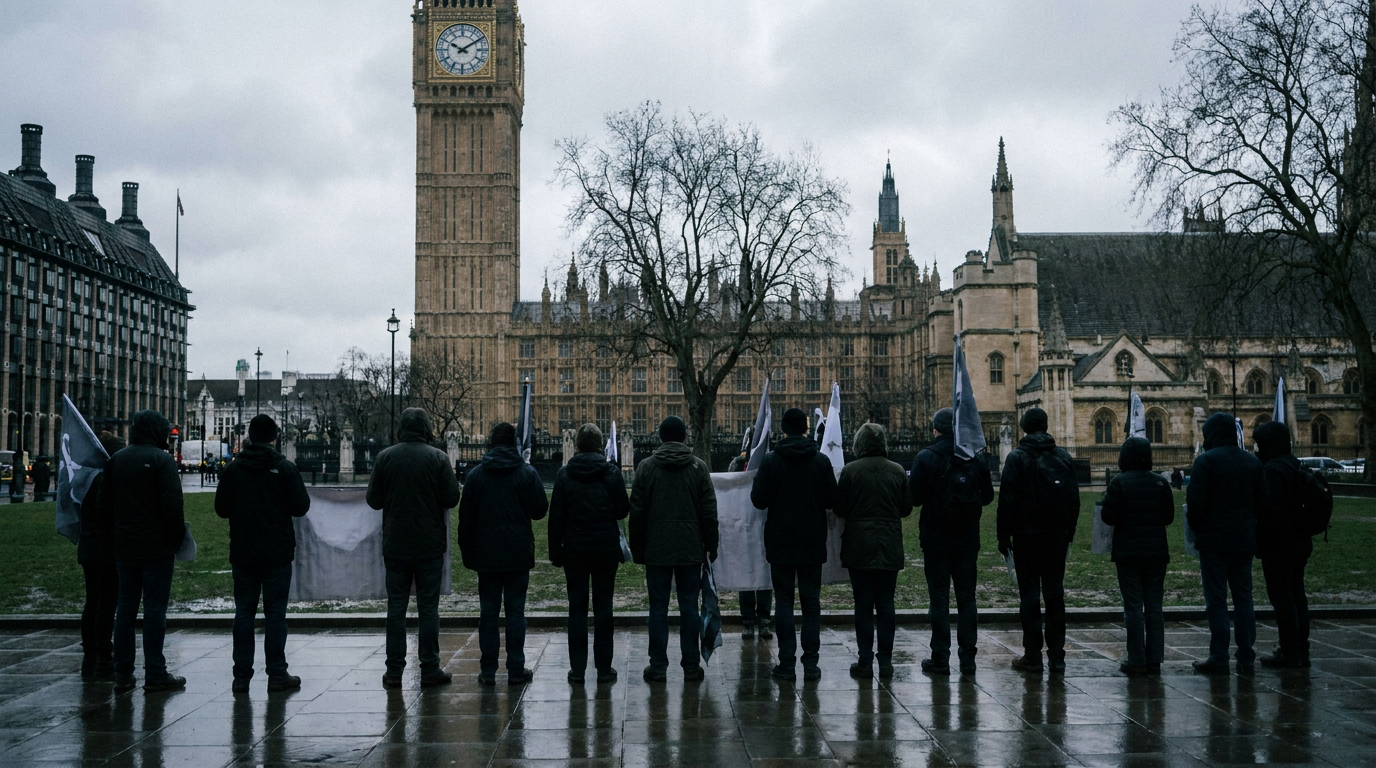
Campaigners on both sides gathered in Parliament Square in central London on Friday while MPs debated inside the House of Commons. The public demonstrations reflected the competing arguments before Parliament: whether an assisted death would relieve suffering, or whether allowing it would expose vulnerable people to avoidable deaths.
Prime Minister Andy Burnham has said he will abstain, explaining that he does not want his participation to exert undue influence over the debate. His decision leaves him outside the division as MPs consider legislation that previously secured Commons support under Sir Keir Starmer’s leadership.
The background
The bill won Commons votes in 2024 and 2025, but the margin of support fell between them. Its majority dropped from 55 to 23, showing a narrower parliamentary advantage for the proposal on the second occasion. Those earlier victories were not enough to complete its passage through Parliament.
In April, the legislation ran out of parliamentary time in the House of Lords. Supporters blamed peers who had submitted hundreds of amendments, arguing that the volume of proposed changes prevented the measure from progressing. They regarded the outcome as frustrating decisions already taken by elected MPs.
Lauren Edwards has now reintroduced the bill in the Commons, succeeding Kim Leadbeater as its sponsor. Edwards wants MPs to return the measure to the Lords for further examination. The renewed vote therefore follows an interrupted parliamentary process rather than the first presentation of the proposal.
The safeguards have also changed during the bill’s development. An earlier requirement for every application to receive approval from a High Court judge was removed. Concern about the loss of that judicial role has formed part of the opposition to the legislation and the debate over whether its protections are sufficient.
For Hearsey, the background is a family bereavement dating to November 2002, when her mother, Joan, was diagnosed with oesophageal cancer. Doctors had initially attributed her symptoms to indigestion. Joan died aged 67 within six weeks of the diagnosis, leaving her daughter to witness a short and severe final illness.
Hearsey, now 53, was 29 at the time. Her support for assisted dying centres on what her mother endured during those final weeks, including a plea to her daughter to end her suffering. It is an experience she brings to a debate concerned with choices available near the end of life.
What people are saying
O’Malley’s opposition comes from a very different course of illness. Eleven years ago, she was told that her cancer could not be cured and that she was likely to live for only six to nine months. Now 61, she is cancer-free, married and a grandmother of four.
She has described becoming deeply depressed and suicidal after receiving that prognosis. Her concern is not simply that the estimate proved wrong: she believes the emotional impact of being told she was dying made her particularly vulnerable to a decision about ending her life at that time.
O’Malley fears she might have accepted assisted dying had a sympathetic person or health professional presented it as an option. She has said that, with her hope lost, she could have chosen death. Her account puts the timing of such a conversation at the centre of her objection.
She also believes other people could have mistaken her distress for a settled, informed wish. As a former nurse, she worries that appearing capable of understanding a choice would not necessarily have revealed how profoundly her diagnosis had affected her. She fears a legal change could lead others to die despite a chance of survival.
Supporters make a different argument about terminal illness, saying that access to assisted dying would allow people greater dignity at the end of their lives. Childline founder and former broadcaster Dame Esther Rantzen is among those calling for a change in the law, adding her support to the campaign for the legislation.
Actor Liz Carr is among opponents urging MPs to reject the bill because of safeguarding concerns. Campaigners against it have identified people with learning disabilities, victims of domestic abuse and people experiencing mental health difficulties as groups they fear could be placed at risk by the proposed system.
Those warnings concern the circumstances surrounding a request as well as the medical prognosis. Opponents argue that vulnerability could contribute to an unnecessary death; supporters focus on providing an option for people facing terminal suffering. The distinction is between the bill’s stated eligibility conditions and the wider personal pressures campaigners fear could influence a decision.
What happens next
The immediate decision belongs to MPs in the renewed Commons vote. Edwards is seeking support for another period of Lords scrutiny, where peers would examine the legislation. Her appeal is to resume the work interrupted in April, rather than treat the earlier failure to complete proceedings as the end of the proposal.
The approval model before MPs places responsibility with two doctors and an expert panel. It combines a prognosis-based threshold with more than one level of assessment. How those checks protect applicants is central to the present choice, particularly for MPs concerned about the removal of individual High Court approval.
A Commons vote in favour would not itself approve any person’s application for an assisted death. Parliament is considering whether to establish a legal framework; the doctors and panel described in the proposal would assess individual applications under that framework. The legislative decision and the decisions about particular patients are separate.
Why this matters
For readers in England and Wales, the proposal concerns a potential change to the options available during terminal illness. Its geographical scope does not extend across the whole UK, and its six-month threshold means it is not a general entitlement for anyone who wants help to die.
For families, the competing experiences illustrate two different practical concerns: suffering during a rapid final decline, and decisions made after a devastating prognosis that proves inaccurate. Parliament’s task is to decide whether the proposed assessment system can offer the choice supporters seek while providing the protection opponents demand.
Reporting that informed this story
This article was written independently by The Daily Times from publicly available facts and headlines. No text has been copied from the outlets above.