
Story Highlight
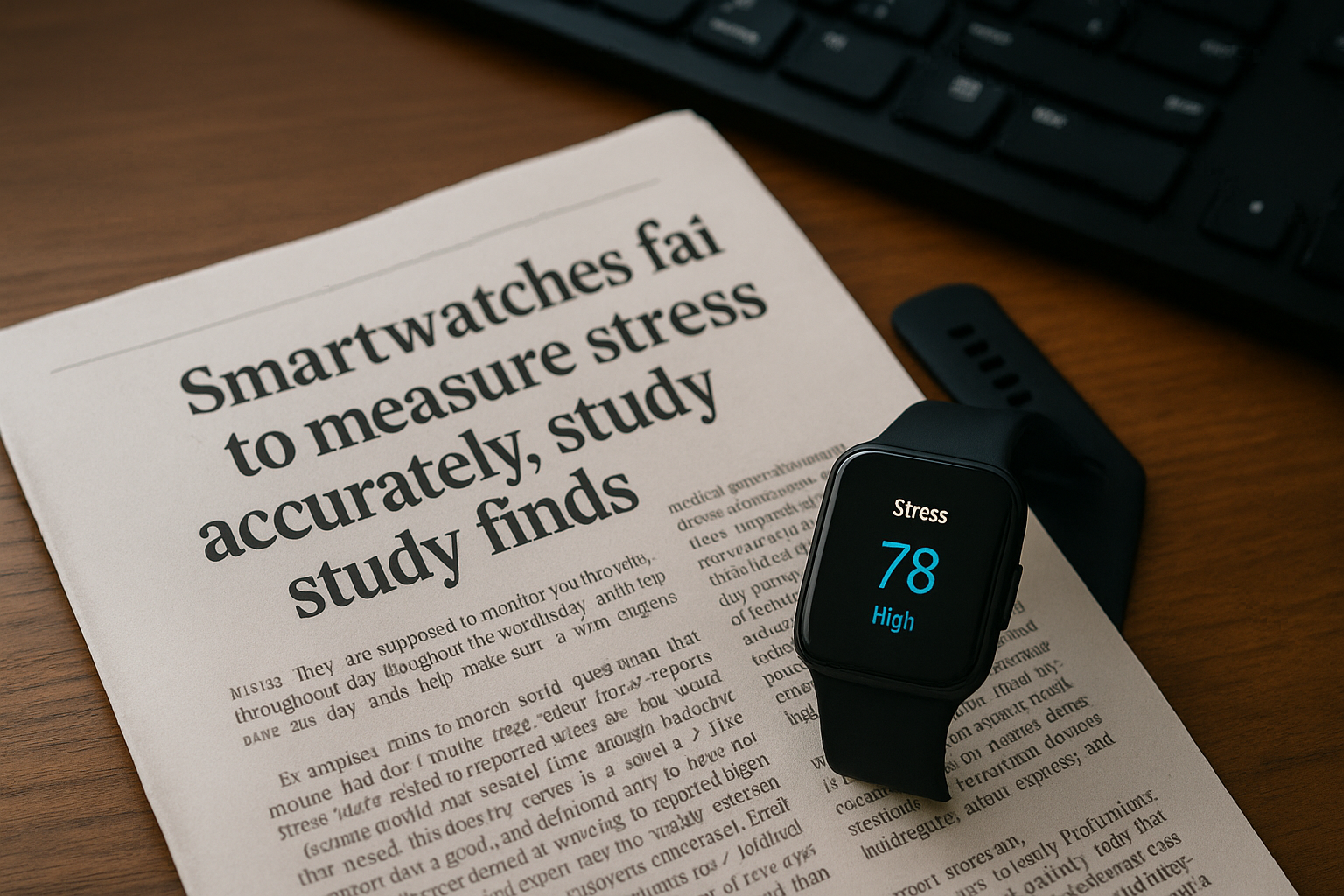
– Smartwatches inaccurately measure stress levels, study finds.
– Weak correlation between smartwatch data and self-reported stress.
– Garmin watches misinterpret excitement as stress during activities.
– Sleep data shows stronger correlation with self-reported feelings.
– Study highlights limitations of wearable tech in emotional insights.
Full Story
A recent study has challenged the effectiveness of smartwatches in accurately measuring users’ stress levels, revealing that these devices may confuse emotional states such as excitement with overwork. Researchers observed a minimal connection between stress levels indicated by smartwatches and those reported by participants, although fatigue showed a slight association and sleep quality displayed a more significant correlation.
Eiko Fried, one of the study’s authors and an associate professor at Leiden University in the Netherlands, noted that the correlation between smartwatch data and self-reported stress was nearly non-existent. He explained, “This is no surprise to us given that the watch measures heart rate and heart rate doesn’t have that much to do with the emotion you’re experiencing – it also goes up for sexual arousal or joyful experiences.” Fried recounted personal incidents where his smartwatch misinterpreted his emotional state during both exercise and social interactions.
The research involved monitoring stress, fatigue, and sleep for three months among 800 young adults using Garmin Vivosmart 4 devices. Participants were asked to report their feelings regarding these states four times daily, allowing researchers to compare smartwatch data with self-reported information. The findings, published in the Journal of Psychopathology and Clinical Science, indicated that none of the participants experienced significant changes in smartwatch stress readings aligned with their own stress reports. Furthermore, a quarter of participants found discrepancies between their smartwatch stress readings and their self-assessments.
Regarding physical fatigue, known as “body battery,” the relationship with smartwatch data was stronger than with stress but remained weak overall. Fried speculated that the score used to calculate body battery likely combines pulse measurements with activity levels, although Garmin does not disclose the specifics of these calculations. Sleep data correlation was more robust, with two-thirds of participants showing a significant relationship between Garmin readings and their self-reported sleep quality. Notably, if users reported improved sleep quality, Garmin’s data often reflected an increase in sleep duration, averaging about two hours.
This study aims to enhance early warning systems for depression, offering insights that could lead to preventive care before symptoms escalate. While there are indications that decreased activity levels may serve as indicators of mental health decline, Fried pointed out the challenge of distinguishing whether this is due to exercise’s protective qualities or a result of diminished energy stemming from worsening mental health.
Margarita Panayiotou, a researcher at the University of Manchester, emphasized the importance of understanding the implications of wearable technology in monitoring emotional states. She stated, “This research helps clarify what such data can reliably reveal and makes an important contribution to ongoing discussions about the role of technology in understanding wellbeing.” Panayiotou underlined that while wearable data can provide valuable insights, it is essential to interpret these findings within the broader context of personal experiences and perceptions.
Garmin has been contacted for a response regarding the study’s findings.