
Story Highlight
– Sir Keir Starmer criticized Israel’s war escalation as “wrong.”
– Israel plans military control of Gaza City soon.
– Netanyahu seeks to hand over Gaza to Arab forces.
– Humanitarian crisis in Gaza worsens amid intensifying conflict.
– Hostage families protest against potential military takeover plans.
Full Story
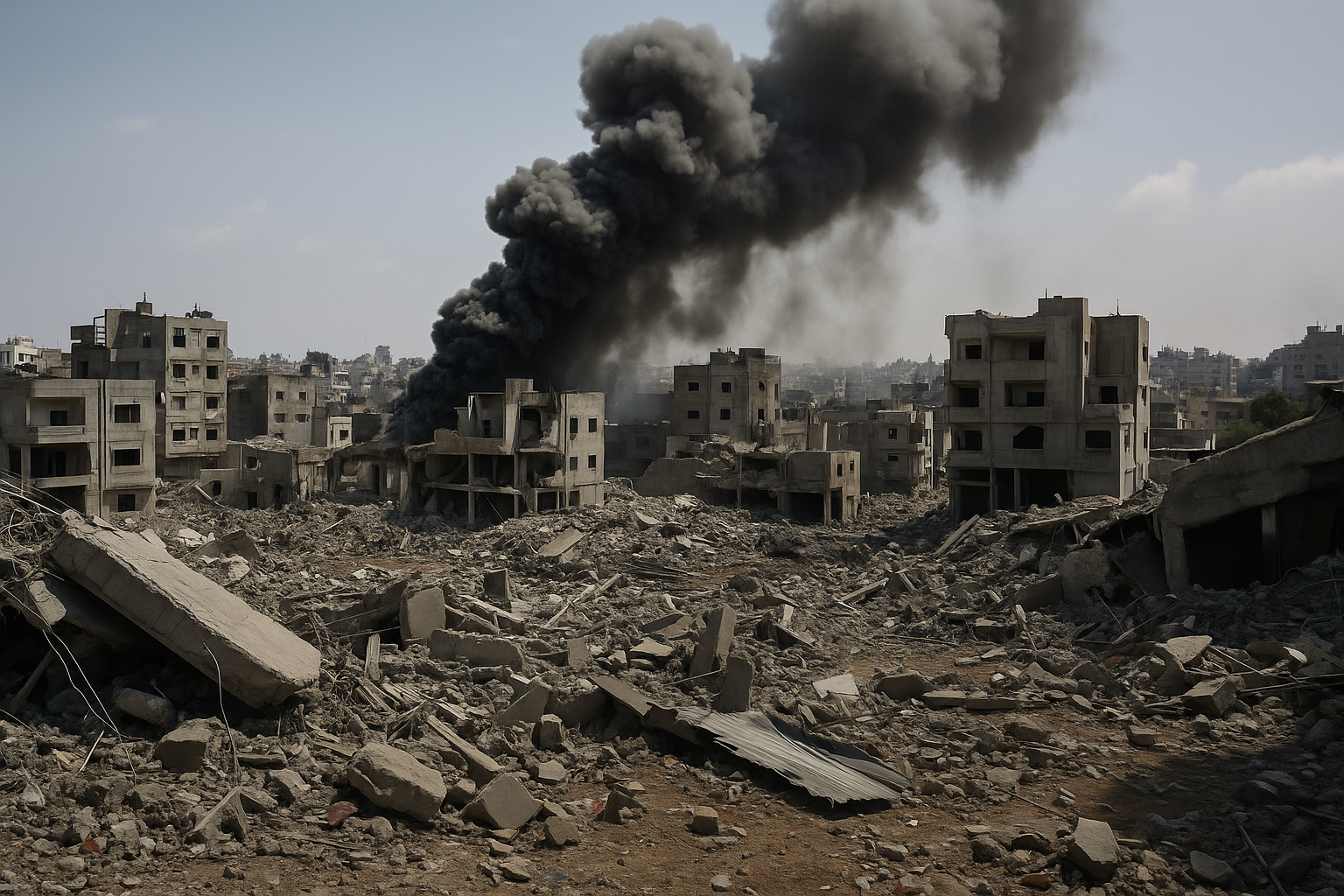
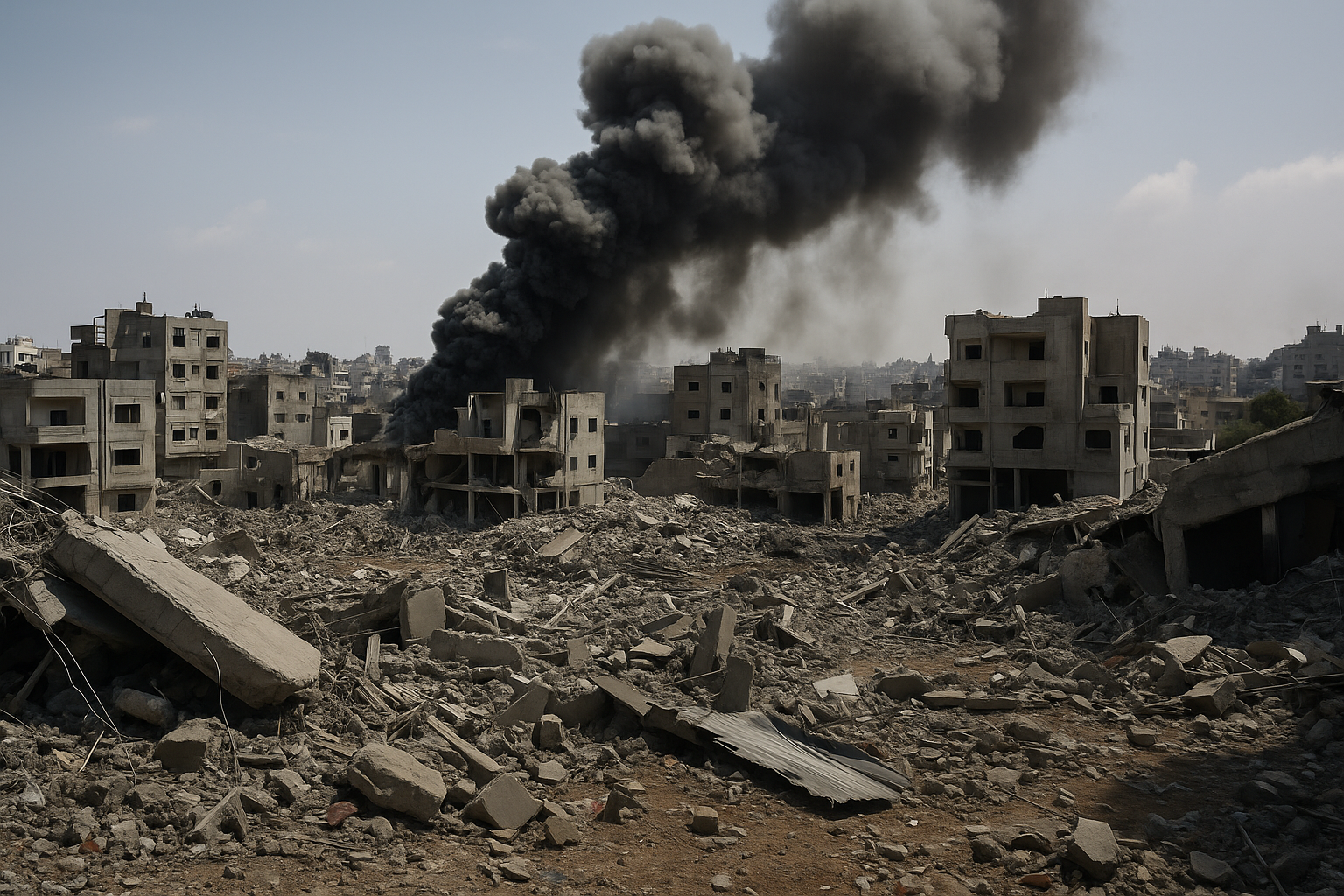
Sir Keir Starmer has condemned the recent decision by the Israeli government to intensify military action in Gaza, labeling it as “wrong.” He cautioned that such measures would “only bring more bloodshed.” Starmer’s remarks came shortly after Israel’s security cabinet approved a strategy to assume control of Gaza City amid ongoing military operations, which have faced escalating dissent both domestically and internationally.
The Israeli Prime Minister Benjamin Netanyahu’s office stated that the Israel Defence Forces (IDF) would prepare for this new phase while also delivering humanitarian assistance to civilians outside combat zones. However, Sir Keir quickly rebutted this decision. “The Israeli Government’s decision to further escalate its offensive in Gaza is wrong, and we urge it to reconsider immediately,” Starmer remarked, emphasizing that this approach would not contribute to resolving the conflict or aiding the release of hostages, but would instead lead to further violence. He underscored the worsening humanitarian situation and the conditions faced by hostages, stating, “What we need is a ceasefire, a surge in humanitarian aid, the release of all hostages by Hamas and a negotiated solution.”
Starmer referenced a plan set to be discussed in September, where the UK would acknowledge a Palestinian state if Israel does not fulfill four stipulations, which include halting humanitarian deprivation, establishing a ceasefire, and advancing towards a two-state solution. While Netanyahu indicated intentions to establish military oversight across the Gaza Strip, the approved plan specifically targets Gaza City, the largest urban area within the enclave situated in the north.
Reports indicate that part of the strategy may involve evacuating Palestinian civilians from Gaza City ahead of a proposed ground offensive. In a recent interview, Netanyahu reiterated, “We intend to” seize control of the entire coastal territory but indicated a desire to transfer governance to Arab forces without detailing the specific arrangements or nations that might be involved. He asserted, “We want to have a security perimeter. We don’t want to govern it.”
Tensions reportedly rose during a recent military meeting, where leaders considered options for taking over further regions of Gaza. Suggestions include issuing evacuation warnings to Palestinian residents, potentially granting them weeks to leave before military action commences. The security cabinet appears fragmented, with some officials believing that alternative proposals may not lead to the desired defeat of Hamas or facilitate the return of captives.
Netanyahu’s intentions mark a significant shift from Israel’s 2005 withdrawal of both citizens and military forces from Gaza, aiming instead to reinforce control over borders and airspace. The perceived blame for the Hamas takeover of Gaza in 2006 lies within right-wing factions who oppose the earlier withdrawal strategy.
The clarity of Netanyahu’s timeline remains uncertain, as Israel seeks to dismantle Hamas and secure the release of Israeli hostages. In response, Hamas has described the expansion of military action as a “blatant coup” against the negotiation process, suggesting that Netanyahu is sacrificing hostages as part of his aggressive stance.
Arab nations have reiterated that their support will depend on Palestinian consensus. A Jordanian source remarked that security in Gaza should be managed by legitimate Palestinian institutions. In the backdrop, public sentiment in Israel seems to favor a resolution involving the release of hostages, as families of captives demonstrated against the proposed military takeover.
Concerns over an extended military operation have been echoed globally, with the UN expressing alarm over the possible escalation of Israel’s military engagement in Gaza. Existing reports highlight the plight of over 50 hostages currently held by Hamas, with significant global attention drawn to the dire humanitarian conditions in Gaza.
Efforts towards a ceasefire have stumbled, with significant aid restrictions imposed on the region and accusations from Israeli officials alleging that Hamas commandeers aid deliveries intended for civilians. The bordering crisis has prompted widespread international outcry, particularly in light of disturbing visual evidence of suffering faced by individuals within Gaza, including malnourished children and living hostages in distressing states.
In a landscape marked by complexities, discussions regarding future governance of Gaza continue amidst calls for a restoration of peace, yet realization of these goals remains deeply fragmented and contentious.

