Story Highlight
– UK bans Iran’s Revolutionary Guard as national security threat.
– Links to terrorism and intimidation on UK soil confirmed.
– New powers enable designation of IRGC as terrorist group.
– Related group IMCR also designated following attacks on Jews.
– Decision deemed long overdue by political figures and experts.
Full Story
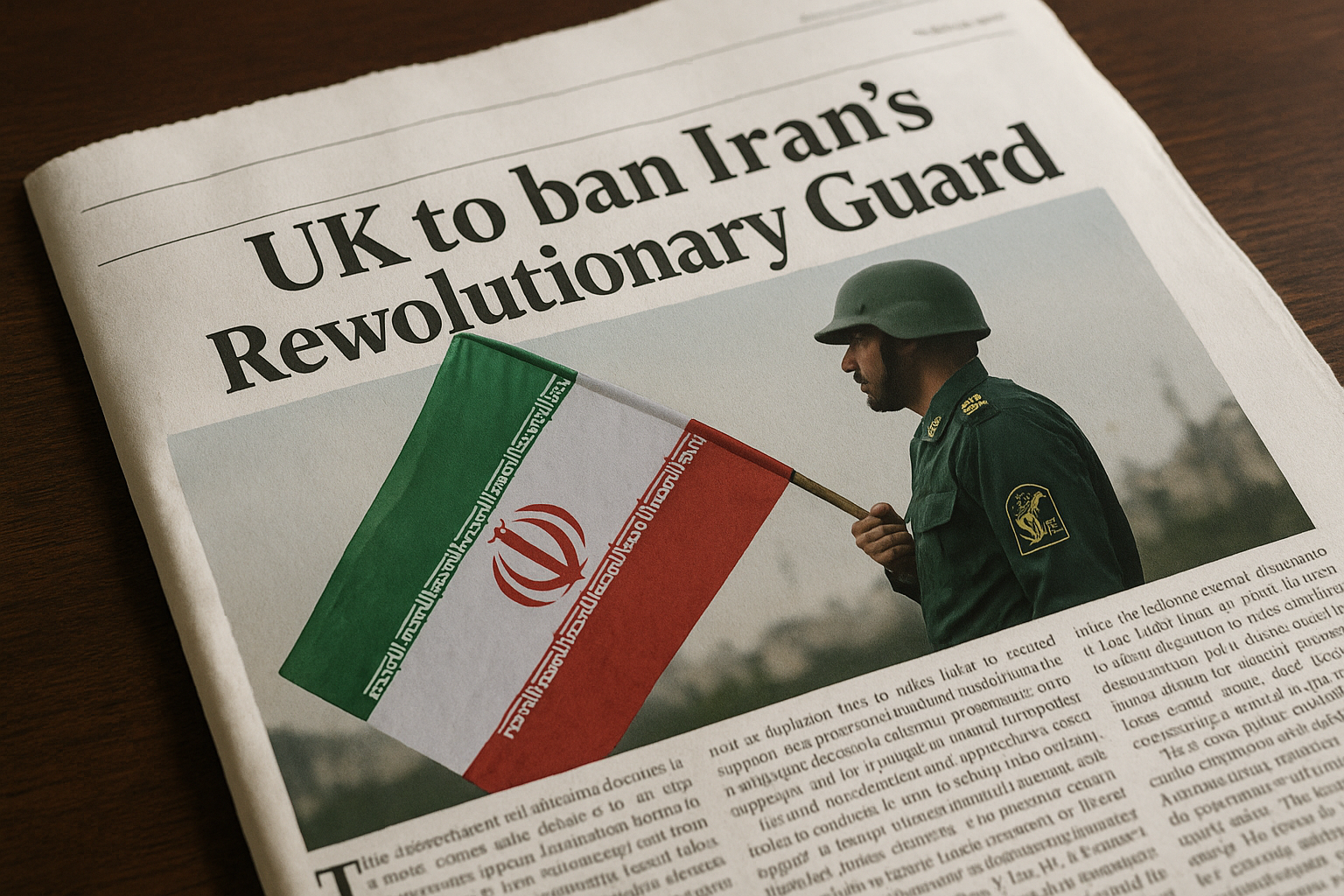
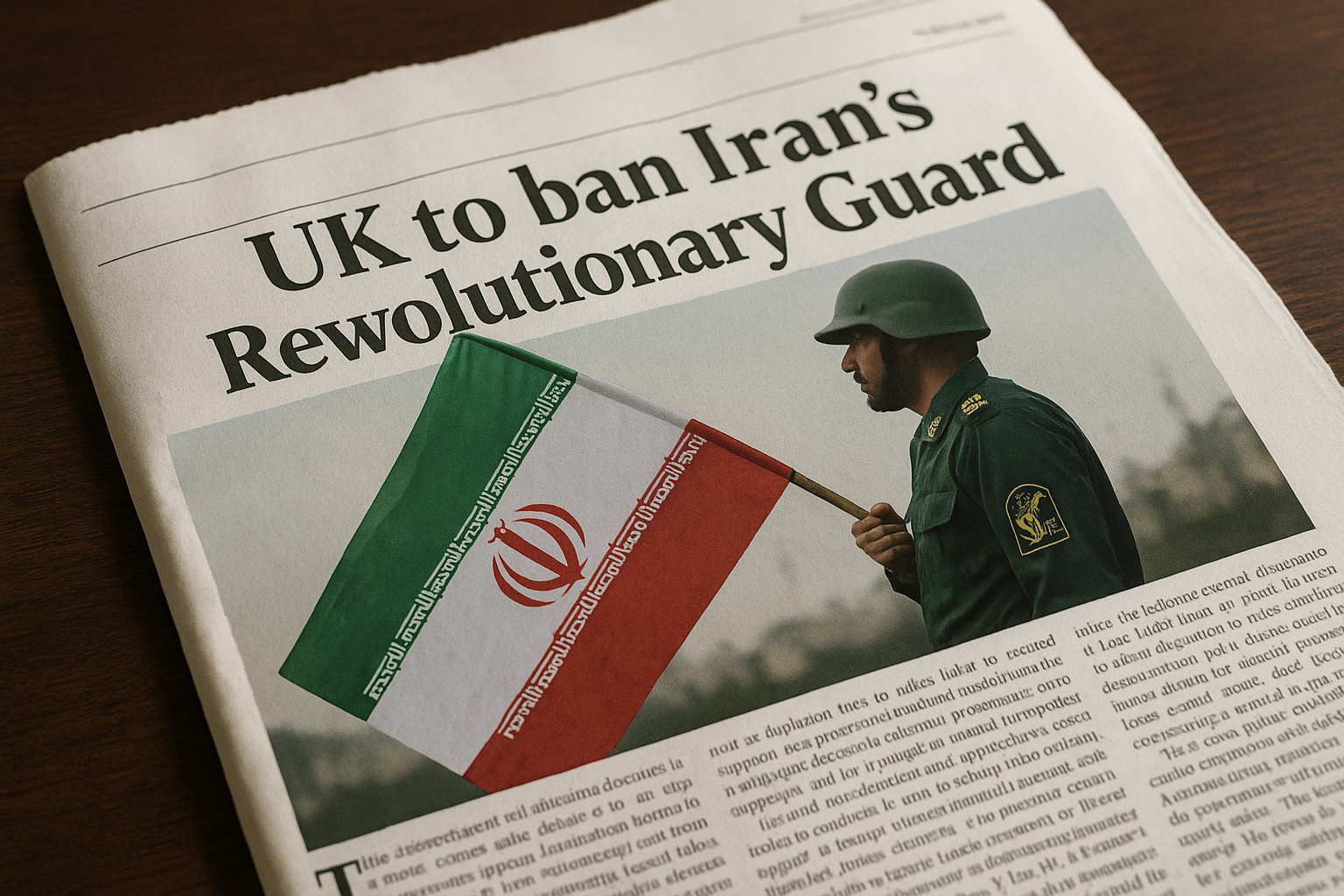
The UK government has announced the proscription of Iran’s Revolutionary Guard Corps (IRGC), declaring it a national security threat due to its involvement in life-threatening activities and intimidation within the UK. This significant action follows extensive discussions surrounding the IRGC’s connections to global terrorism and human rights violations in Iran.
The announcement was made by Prime Minister Sir Keir Starmer during an event held in Downing Street, where he received applause from Jewish community leaders. He outlined the decision, stating, “A criminal group called the Islamic Movement of Companions of the Right have publicly claimed seven attacks at UK locations linked to Jewish and Israeli communities, and sitting behind them were members of Iran’s IRGC.” He went on to emphasize the IRGC’s long history of orchestrating attacks against the British Jewish population through various proxies.
Security Minister Angela Eagle echoed these concerns in a formal statement, confirming that the UK had identified activities linked to the IRGC that involved threats and intimidation on its territory. Additionally, the government will also designate the Islamic Movement of Companions of the Right (IMCR) as a terrorist organization due to their recent assaults on Jewish individuals in Britain.
Another group, associated with Russia’s GRU, is being newly designated under similar legislation due to activities directed against the UK and Europe. With these designations, it becomes illegal to provide support or promote these groups in any capacity, including aiding their operations or accepting benefits from them.
This decision is part of the UK government’s expedited action under the National Security (State Threats) Act, a commitment made by the Prime Minister in April. Jonathan Hall KC, an independent reviewer of legislation related to state threats, has previously advocated for a classification system akin to that under the Terrorism Act 2000 to enhance the ability to counteract designated entities.
The move to ban the IRGC follows years of lobbying from various government sectors, contrasted with previous reluctance from the Foreign Office, primarily due to the IRGC’s deep-rooted connections within Iran’s political landscape. Questions regarding US influence on the UK’s decision-making process have been denied by the US State Department.
The IRGC, which consists of approximately 150,000 personnel and a budget nearing £6 billion, was established in 1979 amidst the Islamic revolution and plays a crucial role in Iran’s authoritarian regime. Foreign Secretary Yvette Cooper has stated she summoned the Iranian ambassador to address Iran’s aggressive actions within the UK, asserting, “We will not tolerate threats to our security or to the safety of those who live here.”
Reactions from political figures highlight mixed feelings about the timing and adequacy of the move. Shadow Foreign Secretary Dame Priti Patel described the designation as welcome but overdue, while Lord Walney acknowledged the ban yet noted it does not equate to full proscription under existing terrorism laws. He called for vigilance to ensure public safety is maintained.
Dr Alan Mendoza, from the Henry Jackson Society, remarked on the IRGC’s long-standing terrorist activities in the UK, stressing that while progress has been made, the delay in action highlights a need for improvement in safeguarding national security moving forward.