Tommy Robinson convicted of harassing two Daily Mail journalists
A jury found the activist guilty of causing two reporters to fear violence after he targeted them online and by phone. He will be sentenced on 16 December.

By Robert Aldridge, Senior Reporter
Published 28 Oct 2026, 18:00
What happened
Tommy Robinson has been found guilty of two offences of harassment causing fear of violence after targeting journalists Andrew Young and Jacob Dirnhuber over coverage of his holiday in Cyprus during the 2024 riots in England.
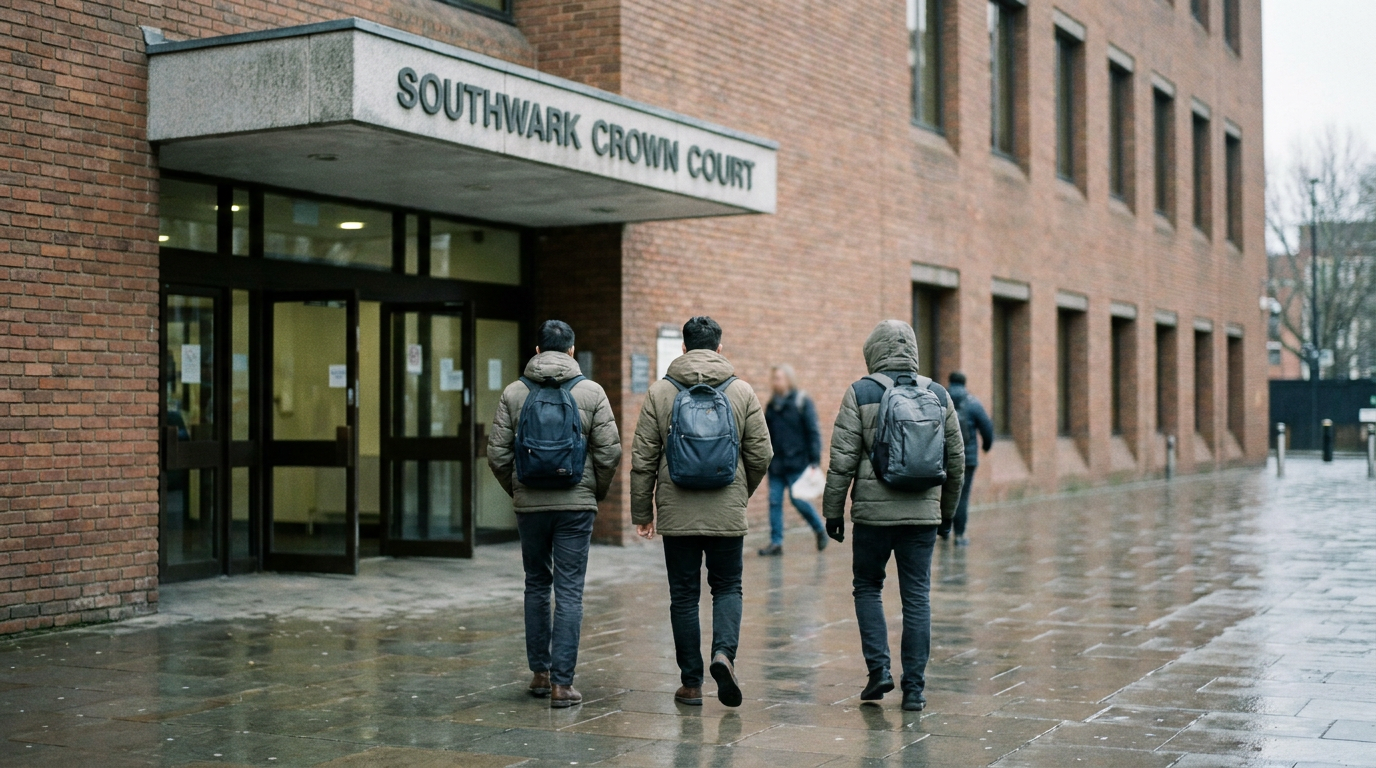
The verdicts followed a week-long trial at Southwark Crown Court in London. Robinson, 43, whose real name is Stephen Yaxley-Lennon, denied both charges. The political activist, from Bedfordshire, previously led the English Defence League.
The case brought together evidence of personal messages, public posts, photographs and a telephone call. Prosecutors argued that Robinson used those different means to intimidate the reporters after the Daily Mail and Mail Online published articles about him in August 2024.
Robinson admitted commissioning private investigators to photograph the journalists’ home addresses. He subsequently published a photograph of Dirnhuber outside his home and cropped pictures involving Young’s family. His social media account had an audience of millions, giving material about the reporters a reach far beyond the people directly involved in the dispute.
The court heard that Robinson sent Dirnhuber a message announcing his intention to visit his door. He also reacted to the publication of the photograph taken outside Dirnhuber’s home with a brief message indicating that the journalist had been located.
Young, a freelance journalist, received a telephone call on 5 August 2024 during which Robinson’s manner became more threatening, the prosecution said. Robinson told Young he would come after him. Both reporters described being frightened for their safety, and their concerns about personal information appearing on X prompted a police investigation.
The background
The reporting that led to the harassment followed the murder of three girls in Southport on 29 July 2024. Riots subsequently broke out in England. Posts Robinson made on social media after the killings alerted the Daily Mail and Mail Online to his presence in Cyprus.
The newspaper’s coverage accused him of encouraging the unrest while holidaying abroad. Photographs accompanying the articles included one of Robinson on a sunbed with his mobile phone. His response to that coverage, rather than a prosecution over the riots themselves, formed the basis of the harassment trial.
Robinson told jurors that the articles had left him panicked and afraid. He argued that identifying the hotel near Ayia Napa where he was staying with his children had put his family at risk. His defence presented that concern as the explanation for his actions towards the journalists.
In a post on 4 August, Robinson accused the Daily Mail of deliberately revealing his whereabouts despite knowing that people wanted to kill him. Further posts followed over the ensuing days, taking the dispute from the published coverage to the reporters’ personal lives.
Giving evidence, Robinson said he had wanted to locate the journalists and apply pressure so that the Daily Mail would engage with him. He denied intending to frighten them and said he had not realised that they were afraid. He also maintained that the reporters would have understood he did not intend to assault them.
Robinson became tearful in the witness box while discussing his children. Jurors nevertheless rejected his account that the newspaper had endangered his family and accepted the prosecution’s argument that the private investigators had been engaged to intimidate the reporters.
Prosecutor Ben Holt identified a different route Robinson could have taken: a complaint to the Independent Press Standards Organisation, known as Ipso. That route allows complaints about newspaper conduct to be considered through a regulatory process, rather than through personal pressure on the journalists responsible for an article.
What people are saying
Frank Ferguson, who heads the Crown Prosecution Service’s Special Crime and Counter Terrorism Division, said the conduct involved both direct approaches to the victims and public activity aimed at them. He highlighted the publication of material involving their families as well as the journalists themselves.
Ferguson said the jury had considered accounts from the victims and other witnesses before finding that Robinson’s actions amounted to criminal offences. He stressed the importance of journalists being able to work without fearing violence and said prosecutors would continue working with police to bring harassment cases before the courts.
The Daily Mail welcomed the convictions and said the episode had seriously affected the reporters and their families. A spokesman characterised Robinson’s actions as an attempt to obstruct scrutiny of his conduct. The newspaper backed its journalists and their ability to pursue reporting in the public interest.
The Metropolitan Police described the practical disruption caused by the harassment: the journalists left their homes and arranged private security because they feared for their families. Those measures extended the effects of the dispute beyond their working lives and into where and how they could live safely.
Police also said Robinson’s threatening posts were made with the knowledge that followers were highly likely to direct intimidation towards the reporters. The force emphasised that complaints about media treatment have established channels and that threatening behaviour can result in investigation and prosecution whether it takes place online or in person.
What happens next
Robinson was granted bail pending sentencing on 16 December at Southwark Crown Court. The jury’s verdict determines his guilt; the sentencing hearing is the separate stage at which the court decides the punishment for the offences.
Harassment causing fear of violence carries a maximum prison sentence of 10 years. That is the statutory ceiling, not an automatic term for someone convicted of the offence. The judge must determine the appropriate sentence for the particular conduct and circumstances of the defendant.
Sentencing in England and Wales involves assessing the seriousness of an offence, including the offender’s responsibility and the harm caused. Courts also consider aggravating and mitigating factors. The existence of a maximum penalty does not, on its own, indicate where an individual case will fall within the sentencing range.
Harassment law addresses a course of conduct rather than treating every communication as an isolated incident. In assessing such conduct, the relationship between repeated contacts matters: a message, telephone call or public post can be considered alongside other actions directed at the same person. The offence here specifically concerns the fear of violence caused by that conduct.
Why this matters
For people in the UK who object to newspaper coverage, the case draws a practical distinction between seeking redress and targeting a reporter personally. A press complaint addresses editorial decisions through an established procedure; publishing personal details and making threatening approaches can instead expose the person responsible to criminal proceedings.
For readers and social media users, it also demonstrates that online activity is not separate from the law governing behaviour elsewhere. A public account can carry personal intimidation to a much wider audience, while the consequences for those targeted can include upheaval at home as well as fear at work.
Reporting that informed this story
- Daily Mail: Tommy Robinson found guilty of harassing Daily Mail journalists after jurors heard he used 'bully-boy tactics' to intimidate reporters who exposed his UK riots shame
- BBC News: Tommy Robinson guilty of harassing two Daily Mail journalists
This article was written independently by The Daily Times from publicly available facts and headlines. No text has been copied from the outlets above.