Story Highlight
– Labour faced challenges transitioning from opposition to governing.
– Nigel Farage’s Reform surged in polls but faced scandals.
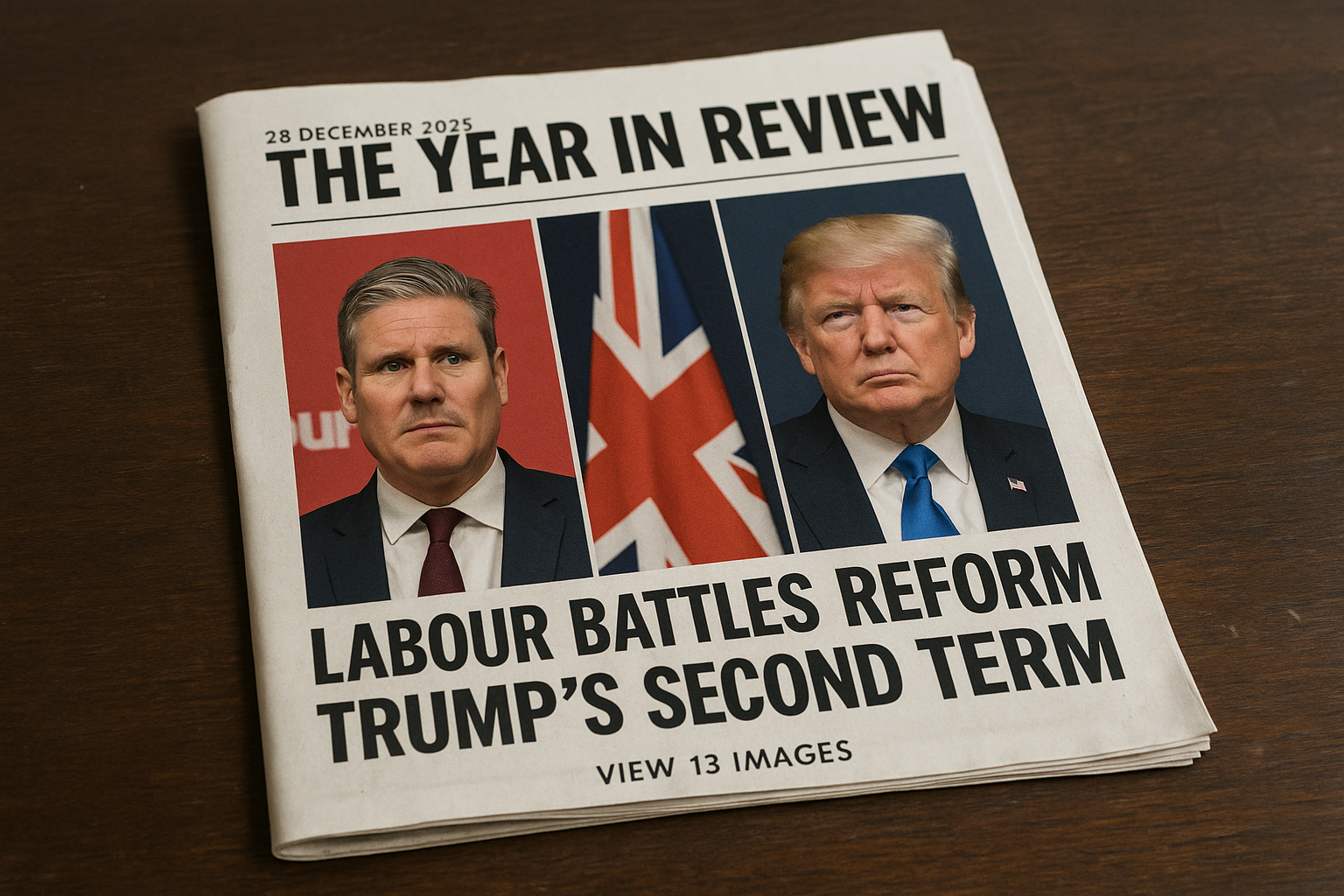
– Keir Starmer and Donald Trump developed an unlikely rapport.
– Economic turmoil led to scrutiny of government spending.
– Major political shifts occurred with new party leadership and reforms.
Full Story
2025 proved to be an eventful year in UK politics, characterized by dramatic developments and emerging challenges. Labour continued its evolution from opposition to governance amid a backdrop of political intrigue and global uncertainty.
Keir Starmer, Labour’s leader, sought to distance politics from melodrama, yet the year unfolded with significant events, including unexpected resignations and party turbulence. The political landscape shifted further as Reform UK gained momentum, pushing the Conservatives closer to the margins. Meanwhile, Nigel Farage faced intensified scrutiny over his past actions.
With a rejuvenated leadership under Zack Polanski, the Green Party made gains on the left, while Jeremy Corbyn’s new venture, Your Party, struggled to find stability. On a global scale, the situation remained tumultuous with Donald Trump’s sizable presence as he commenced his second term in the White House. Ongoing conflicts, particularly in Gaza and Ukraine, added layers of complexity to international relations.
The year began with tech magnate Elon Musk voicing concerns about the grooming gangs scandal, prompting the British Government to initiate a swift investigation into historic abuses. Amidst global economic instability, Rachel Reeves traveled to China to attract investment, but her efforts were overshadowed by a spike in borrowing costs. Tulip Siddiq’s resignation as Treasury Minister highlighted the ongoing fallout from an anti-corruption inquiry linked to her family ties.
In February, Reform UK reached new heights in polling, marking a turning point in British politics as Andrew Gwynne was dismissed over offensive messages. Additionally, Keir Starmer announced plans to increase defense spending to 2.5% of GDP by 2027, funded by foreign aid cuts, while furthering relations with the US by inviting Trump for a second state visit.
March saw Starmer extending solidarity to Ukraine, meeting President Zelensky as allies prepared for peace negotiations. Following the suspension of Labour MP Mike Amesbury for a late-night altercation, a by-election was necessitated. Starmer also proposed significant reforms to the NHS, amidst a backlash against cuts to disability benefits announced by Rachel Reeves.
In April, Trump’s aggressive tariff policies unsettled financial markets, and the UK Government intervened to save Scunthorpe’s steelworks from closure. Notable events included the start of free breakfast initiatives in schools and the passing of Pope Francis.
By May, Reform’s electoral success continued in the Runcorn by-election as Labour commenced the renationalization of rail services. Starmer strengthened transatlantic trade ties while addressing escalating violence linked to arson incidents at his constituencies.
In June, Starmer escalated the UK’s military readiness to counter threats from Russia. The Labour Party announced plans to extend free school meal provisions, reflecting shifts in social policy during an economic downturn. An internal controversy arose when Sarah Pochin faced backlash over remarks regarding religious attire.
July witnessed a significant welfare reform rethink after substantial resistance from Labour MPs. The passing of former political figures underscored the year’s transitions. Trump’s criticism of environmental policies drew attention during a visit to his Scottish resort.
As summer unfolded, immigration policy became a focal point amidst rising public protests. Resignations within the government, including homelessness minister Rushanara Ali, highlighted ongoing pressures. The UK announced the evacuation of vulnerable children from Gaza to access treatment, while Trump engaged in talks with Putin.
In September, the political fallout from revelations regarding tax compliance led to Angela Rayner’s resignation, triggering a significant reshuffle in Labour leadership. Meanwhile, the recognition of Palestine at the UN signaled a notable moment in international diplomacy.
October saw controversy surrounding PPE contracts, and a tragic attack in Manchester reignited discussions on security and community safety. The UK continued to grapple with the implications of national defense strategy amid rising tensions.
As the year wrapped up in December, economic forecasts were overshadowed by an inquiry into Covid-19 pandemic failures. Strikes by doctors and a potential local election crisis set the stage for political disagreements as the government prepared for budgetary constraints.
In summary, 2025 was marked by a series of significant political developments, reflecting both internal challenges within the UK and the impact of international crises on domestic policy.