Greggs plans four factory closures with 740 jobs at risk
The bakery chain proposes changes across its UK production network over two and a half years, while stronger sales lift its outlook for 2026.

By Priya Raman, Business Editor
Published 30 Sept 2026, 13:01
What happened
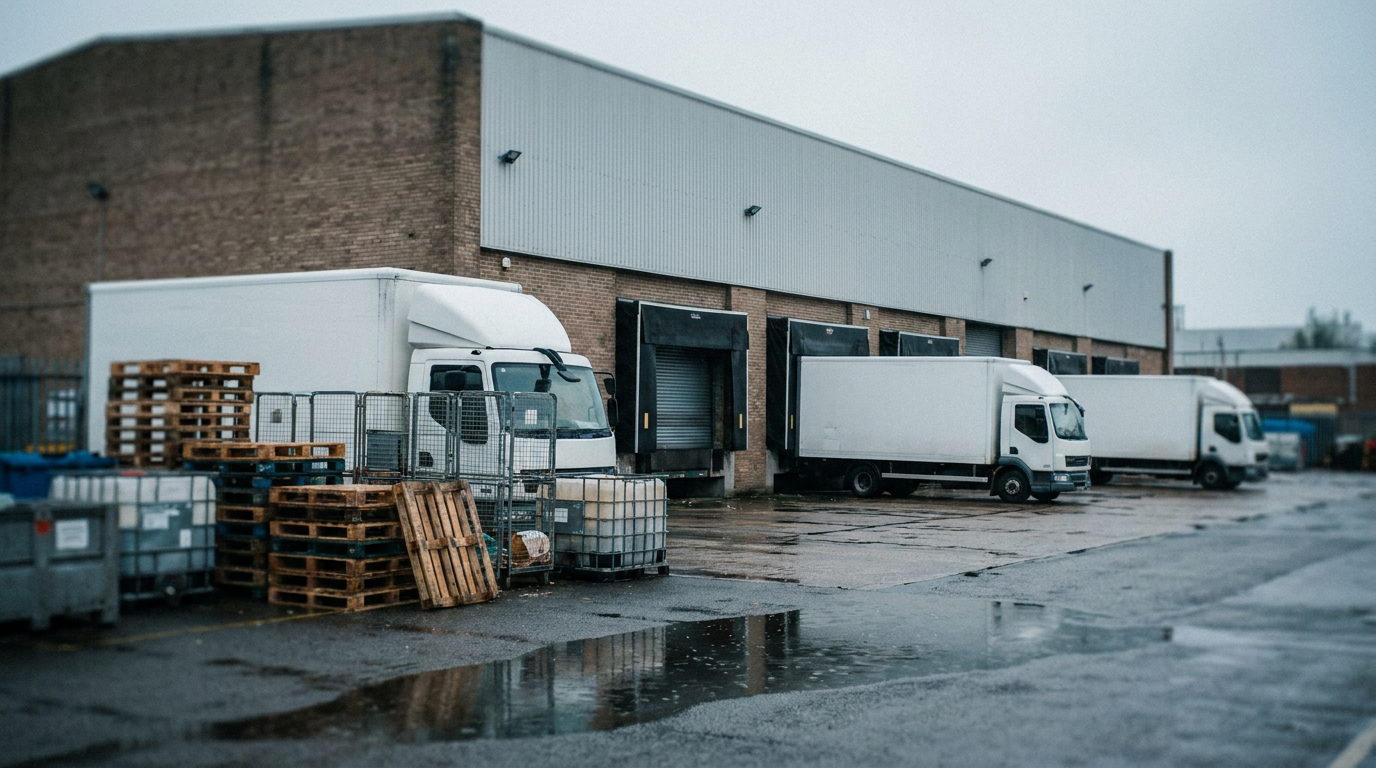
Greggs is proposing to close four factories as part of a manufacturing overhaul that could lead to 740 job losses. The changes would extend over two and a half years and affect production sites across England, Scotland and Wales, while leaving its retail shops outside the closure proposals.
The factories earmarked for closure are North Lakes, near Penrith in Cumbria; Pettigrews in Kelso, Scotland; Seaham in County Durham; and Enfield in Greater London. Enfield would retain its distribution operation, meaning the proposal would end manufacturing there rather than all activity at the site.
Manufacturing at Treforest in Wales would also be affected, although that site would remain part of the company's distribution network. The distinction matters for the scope of the plans: a location can stop making products while continuing to handle their movement through the business.
Elsewhere, Greggs intends to narrow the selection of products made at its Clydesmill site in Glasgow and at its Manchester operation. Production of tinned bread would end at Gosforth. These changes make the programme broader than the four proposed factory closures alone.
Some manufacturing work would move within the company's network, while specialist suppliers would take on the provision of certain products. The proposals therefore involve both changing where Greggs makes food itself and using outside businesses for part of its supply.
The Newcastle-headquartered company employs about 33,000 people across the UK, most of them in shops. The potential job losses relate to a business whose workforce is spread between customer-facing retail operations and the manufacturing and logistics activities behind them.
Greggs has yet to make final decisions on the proposals. It expects to begin staff consultation shortly, with trade unions and employee representatives involved in discussions about how the plans should develop and how their impact on employees could be reduced.
The background
The restructuring announcement accompanies an improvement in sales. Revenue in the three months to 26 September rose by 7.7% against the same period a year earlier, a faster rate of growth than the 7.2% recorded during the first half of the year.
Like-for-like sales across company-managed shops increased by 3.4%. That measure separates performance at comparable stores from the contribution of an expanding estate, helping distinguish growth within the existing retail business from sales generated by additional outlets.
Greggs has opened 95 shops and closed 38 so far this year, a net increase of 57. Its estate now comprises 2,796 shops. New openings have helped drive overall sales growth alongside the improvement in trading at established managed stores.
The company linked its summer performance partly to additions to the menu. Iced matcha lattes, a wider salad selection and chicken rolls helped attract spending, broadening the offer beyond the pastries, cakes and hot drinks that underpin its position as Britain's biggest fast-food business.
Prices have also changed this year as Greggs responds to higher wage, energy and packaging costs. Its bestselling sausage roll rose by 5p to £1.35 in most shops, while a latte increased by 10p to £2.25. Those increases form part of its response to pressures on operating costs.
The latest trading performance, together with cost control, has led Greggs to improve its expectations for the 2026 financial year slightly. It nevertheless sees stronger inflationary pressure emerging in 2027, placing the manufacturing proposals alongside a more immediate challenge over the cost of running the business.
Greggs also said household budgets remained under strain and described trading conditions as difficult. Its sales gains have therefore come during a period when consumers continue to face pressure on their spending, rather than against a backdrop of easing financial demands on customers.
What people are saying
Chief executive Roisin Currie presented the proposed reorganisation as preparation for changes in what customers want. Her case for it rests on making production more efficient and maintaining the company's ability to offer the quality, service and prices shoppers expect as the business develops.
Currie also emphasised the importance of Greggs' own manufacturing and logistics operations to the company. Management's stated aim is to strengthen that network for future growth, rather than treat the proposed closures as a retreat from the retail expansion taking place elsewhere in the business.
Sarah Woolley, general secretary of the Bakers, Food and Allied Workers Union, expressed serious concern about the announcement. She put the interests of employees, their families and the communities around the affected sites at the centre of the union's response.
Woolley questioned the rationale for putting livelihoods at risk when the company's trading remained strong. She highlighted employees' contribution to Greggs' progress and said workers would want an explanation for why a drive for efficiency should now threaten their jobs.
Alex Pugh, an analyst at investment broker Freetrade, focused on how much further customers might tolerate price increases. He suggested that a sausage roll costing £1.50 would test loyalty to the chain, framing affordability as an important issue for a business associated with low-priced food.
Investors responded positively to the announcement and trading update. Greggs shares rose by 7.3% in early trading on Wednesday, making the company the strongest performer in the FTSE 250 index at that point. The increase took its share-price gain for the year to 17%.
What happens next
Consultation will give employee representatives a role in examining and developing the proposals before decisions are finalised. Greggs has said limiting the effect on its people wherever possible will be its priority during that process, putting the treatment of affected staff at the centre of the next stage.
The company estimates that implementing the overhaul would cost about £60m. That figure includes redundancy payments and disruption associated with changing the production network, so the financial consequences would extend beyond the direct expense of closing manufacturing operations.
Greggs anticipates savings of about £20m across the 2028 and 2029 financial years. The timetable places the expected financial benefits later than the initial costs, with the business first having to manage the movement of manufacturing work and changes to product sourcing.
Retail expansion is meanwhile due to continue. Greggs is working towards between 100 and 110 net shop openings by the end of 2026, a separate programme from the factory proposals that would further increase the number of locations serving customers.
Why this matters
For workers in the affected production operations, consultation will address proposals with consequences for both employment and the kinds of work carried out at individual sites. The effects would differ by location: some face factory closure, while others face a smaller production range or a continuing distribution role.
For customers, the restructuring concerns the supply of food to Greggs rather than a programme of shop closures. The business is pursuing a larger retail estate while reshaping how it produces and sources products, with affordability remaining important as both household finances and company costs face pressure.
Reporting that informed this story
- BBC Business: Greggs to cut 740 jobs and close factories
- BBC Business: Greggs to shut four factories and cut 740 jobs
- The Guardian UK: Greggs announces plans to shut four UK factories that could cost 740 jobs
This article was written independently by The Daily Times from publicly available facts and headlines. No text has been copied from the outlets above.