Jaguar unveils £120,000 Type 01 electric car ahead of 2027 sales
The four-door Type 01 will be built in Solihull as Jaguar targets a smaller, more expensive market with its switch to electric cars.

By Daniel Okafor, Technology Correspondent
Published 7 Oct 2026, 07:00
What happened
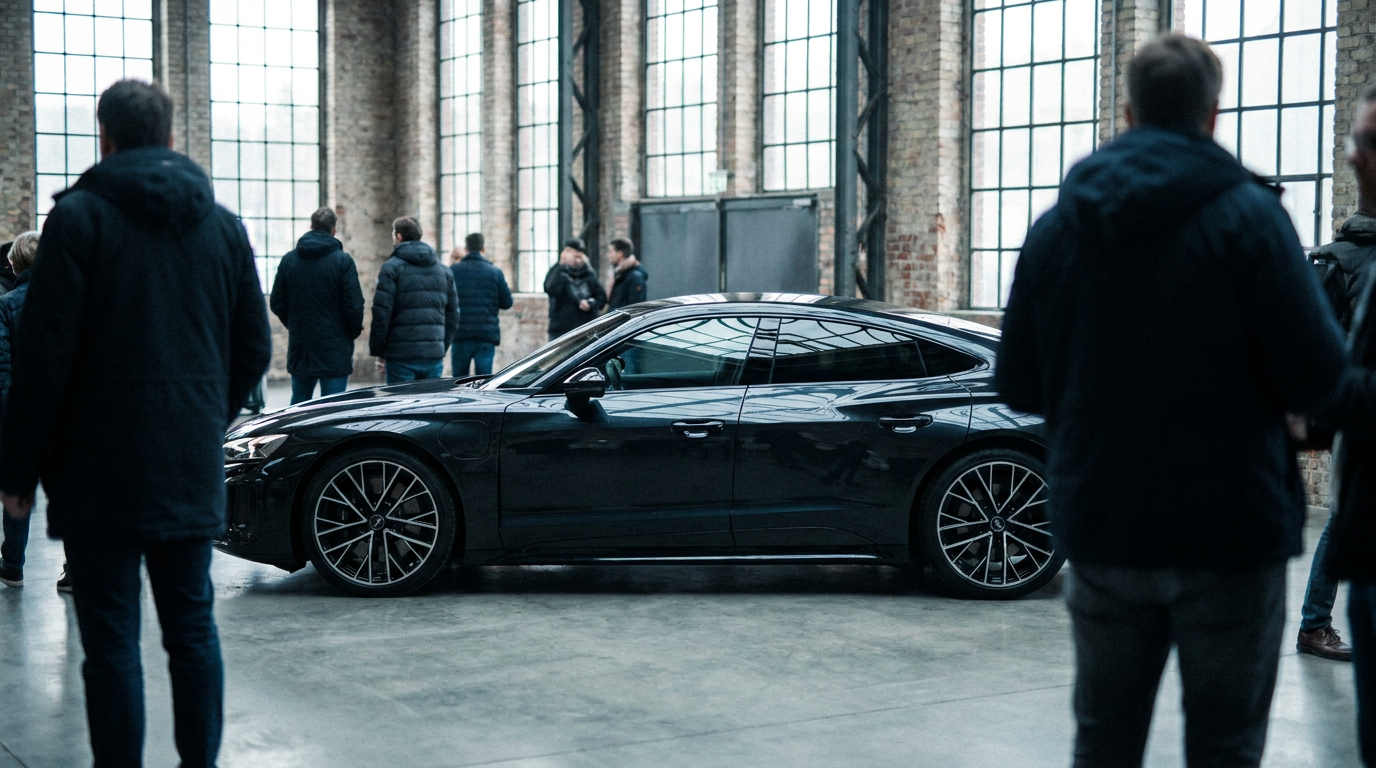
Jaguar has unveiled the Type 01 in New York, introducing an electric grand tourer expected to start at about £120,000 as the British manufacturer moves into a more expensive part of the car market. Customers will be able to order it from early 2027, with deliveries expected after the middle of that year.
The four-door model marks a substantial change in the price of a new Jaguar. Its anticipated starting figure is roughly double the average price of the company's previous petrol and diesel models, while more highly specified versions are expected to exceed £150,000.
At 5.2 metres long, with 23-inch wheels and a roof just 4ft 6in above the road, the Type 01 combines a large footprint with a low profile. Jaguar is pitching it as a conspicuous luxury purchase rather than a direct replacement for its former range.
Three electric motors deliver a combined 1,015 horsepower and 1,035 Newton metres of torque. Two sit at the rear and one at the front, supplying power to all four wheels. The car reaches 62mph from rest in 3.2 seconds.
Jaguar also gives a four-second acceleration time from 62mph to 112mph, emphasising performance once the car is already moving. Those speeds extend well beyond the UK motorway limit; the figure illustrates the manufacturer's engineering emphasis on substantial reserves of power.
The background
The launch follows a deliberate withdrawal from Jaguar's established business. The company stopped selling petrol and diesel cars in December last year, ending that chapter before customers could take delivery of the new electric model.
Managing director Rawdon Glover has linked the change to a customer base that was both getting older and becoming smaller. He said the brand's commercial performance required a much more significant response than an incremental change to its existing products.
The business plan is to sell fewer vehicles at higher prices. That makes the Type 01 part of a repositioning of the company, rather than simply an electric alternative offered alongside familiar combustion-engined cars. Success will depend on attracting buyers willing to spend substantially more on a Jaguar.
The public reinvention began in November 2024 with an advertising campaign built around fashion, vivid colours and models rather than vehicles. Its presentation broke sharply with conventional car advertising and became a point of contention before the new production car appeared.
Jaguar also announced that it would replace the familiar badge showing a snarling big cat with a different visual identity. The change extended the overhaul beyond engines and bodywork to the symbols through which customers recognised the manufacturer.
A fortnight after the campaign began, Jaguar presented the Type 00 concept in satin pink. That vehicle set out the intended design direction for its future electric range. A concept serves as a statement of design intent; the Type 01 now brings the strategy to a model customers will be able to order.
Range and charging
The Type 01 uses a 118kWh battery, with Jaguar putting its range at up to 450 miles under the WLTP testing cycle. WLTP provides a standardised basis for assessing new vehicles, allowing buyers to compare figures obtained through a common testing framework.
Jaguar separately says its own testing indicates about 400 miles in real-world use. That is a different measure from the laboratory-based headline figure: an individual journey's energy consumption depends on conditions and how the vehicle is driven, rather than battery capacity alone.
For sustained motorway driving, the manufacturer gives a figure of as much as 320 miles. This is the more relevant of its estimates for customers planning long journeys dominated by fast roads, rather than a mixture of urban streets and slower routes.
An 850-volt charging system is designed to allow 200 miles of range to be added in 13 minutes. That claim concerns replenishing part of the car's driving range, not charging an empty battery to full capacity, an important distinction when planning a stop.
Rapid-charging performance also depends on the charging equipment and the battery's condition, including its temperature and existing charge level. A vehicle's maximum charging capability does not mean that every public charger can deliver the same result, so the charging location remains part of journey planning.
Jaguar describes the Type 01 as its most aerodynamically efficient car. Its exterior includes front vanes used for battery cooling and a rear spoiler, combining the need to manage airflow with the demands of a powerful electric drivetrain.
The company also says this is its stiffest road-car structure and its most powerful road model. Structural stiffness concerns resistance to twisting and bending, a separate engineering characteristic from motor output, even though both contribute to the development of a high-performance vehicle.
What people are saying
Glover says the intended audience includes younger people living in cities who want their car to express something distinctive about them. He has also acknowledged that the scale and styling will put off some buyers, accepting that the design will not have universal appeal.
About 50,000 people have asked to receive updates on the Type 01's availability, according to Glover. Of those, 78% do not currently own a Jaguar. These are registrations of interest rather than vehicle orders, but they provide an early indication of the audience following the launch.
The company had previously anticipated that 85% of buyers of its next generation of electric cars would be newcomers to the brand. That forecast concerns eventual customers across the new range, whereas the current percentage describes people seeking information about this particular model.
The rebrand drew objections from existing customers and members of the public, alongside criticism from Elon Musk and Reform UK leader Nigel Farage. US President Donald Trump also attacked the campaign, characterising its cultural presentation negatively and arguing that the overhaul had damaged Jaguar.
What happens next
Production will take place in Solihull. The planned manufacturing scale will be much smaller than that of Jaguar's recent petrol-car business, making the factory's role part of the shift towards lower-volume luxury vehicles rather than an attempt to restore previous sales numbers.
Glover does not expect the Type 01 to be the biggest seller in the forthcoming range. Its role is instead to provide the strongest visual statement of the new direction, with other vehicles expected to broaden the electric line-up.
A Type 02 is expected to follow, while a Type 03 is also a possibility. An SUV is considered likely to form part of the future range, extending the strategy beyond the low, four-door shape used for the first production model.
Why this matters
For UK buyers, Jaguar's move changes the financial decision as well as the fuel choice. Someone previously considering one of its combustion-engined cars now faces a luxury-market purchase, with the entry price alone placing the Type 01 in a substantially different spending bracket.
For drivers considering an electric grand tourer, the practical calculation brings together parking space, access to suitable charging and the kind of journeys they make. The Type 01's dimensions and separate motorway-range estimate are therefore as relevant to everyday suitability as its acceleration and headline battery range.
Reporting that informed this story
This article was written independently by The Daily Times from publicly available facts and headlines. No text has been copied from the outlets above.