Story Highlight
– Labour faced challenges transitioning from opposition to governing.
– Reform UK surged in popularity, edging out Tories.
– Donald Trump began his second presidency with contentious policies.
– Keir Starmer emphasized defense spending amid global tensions.
– Significant political reshuffles occurred during turbulent events.
Full Story
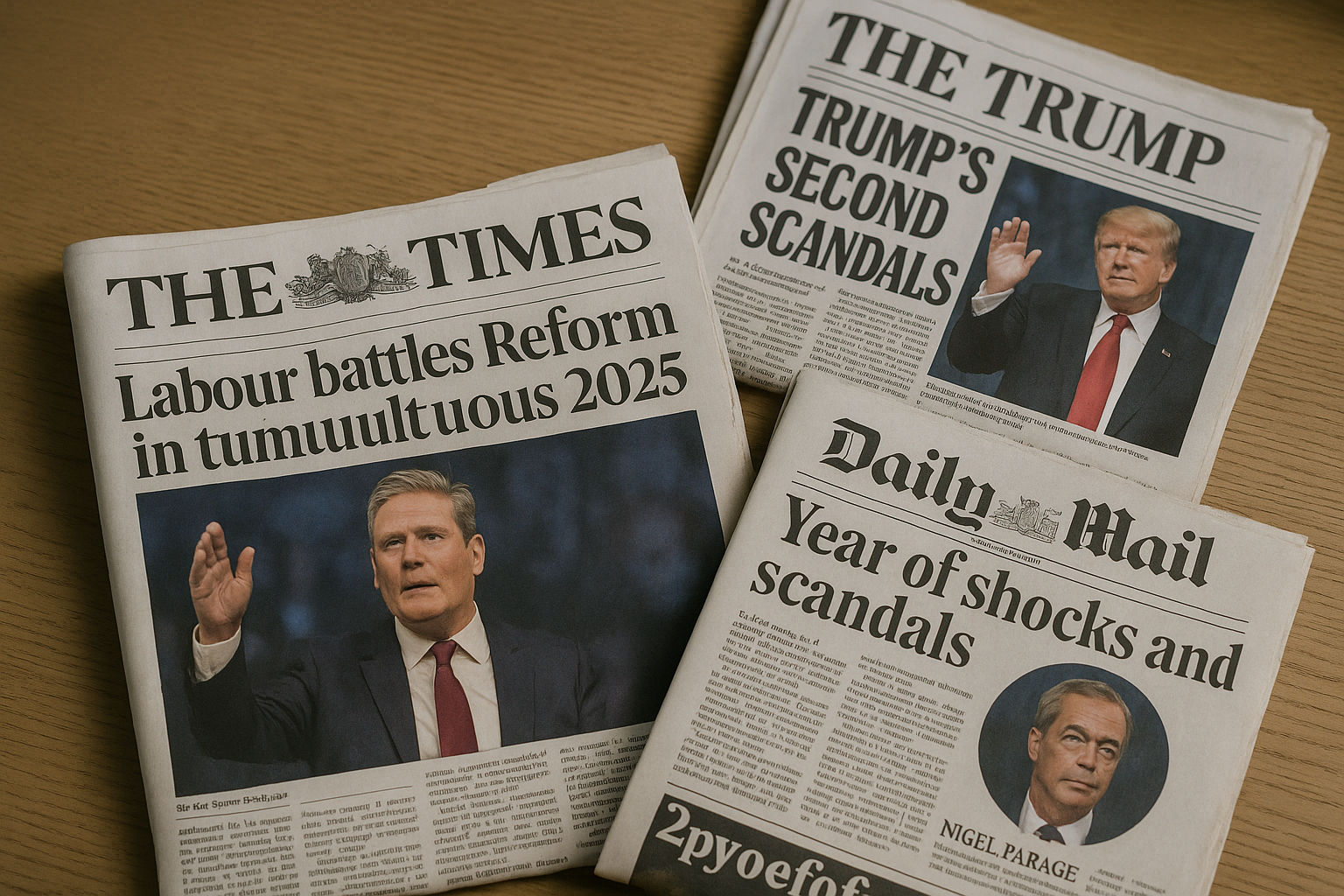
In a politically charged 2025, the UK’s political landscape underwent significant transformation, marked by intense rivalries, scandal, and shifts in leadership. As the Labour Party navigated its transition to governance, it faced challenges from the emerging Reform party, led by Nigel Farage, while Donald Trump’s second term as US President loomed large throughout the year.
Labour’s leader, Keir Starmer, had previously vowed to bring a sense of stability to politics, but the events of 2025 unfolded with unexpected drama, leaving many observers stunned. This period was characterized by resignations, policy reversals, and emotional moments, highlighting the difficulties of adapting from opposition to leadership.
Amid a backdrop of global unrest, including the ongoing conflict in Gaza and tensions in Ukraine, the UK’s domestic politics became ever more fragmented. The resurgence of the Reform party began to reshape Britain’s traditional two-party system, pulling the Conservative Party further into the periphery. This came at a time when Farage’s party faced scrutiny over various controversies, detracting from its rise in polls. The Green Party, invigorated under new leadership from Zack Polanski, gained traction, contrasting with the internal turmoil of Jeremy Corbyn’s new movement, Your Party.
The year kicked off with tech mogul Elon Musk provoking Labour’s Starmer regarding historical grooming scandals. This prompted a government-led investigation into the abuse of young girls over decades in England. In January, Starmer’s shadow cabinet faced pressure as Rachel Reeves flew to China to attract investors amid growing economic uncertainty. Meanwhile, accusations against former Treasury Minister Tulip Siddiq regarding connections to anti-corruption probes further complicated Labour’s narrative.
February marked a pivotal moment as Reform UK surpassed Labour in a YouGov poll. Starmer announced a significant increase in defense spending, aiming for 2.5% of GDP by 2027, funded by cuts to foreign aid. His meeting with Trump in the Oval Office showcased the developing relationship between the two leaders, although the press was soon taken aback by Trump’s controversial remarks about Ukraine’s president.
March saw Starmer extend an invitation to Ukrainian President Volodymyr Zelensky, emphasizing solidarity with Ukraine as international support grew. Meanwhile, Labour experienced internal strife as former MP Mike Amesbury resigned following a criminal conviction.
The following months unfolded with dramatic developments including Labour’s proposed welfare reforms facing fierce backlash, resulting in a significant withdrawal of support from within the party. Starmer faced further scrutiny when he echoed divisive rhetoric on immigration while simultaneously pushing for a more robust social agenda.
In May, Reform’s success in local elections symbolized a shift in voter sentiment, with Labour’s renationalization of the railways garnering mixed responses. The political climate intensified with the establishment of a US-UK trade deal aimed at mitigating the impact of Trump’s tariffs.
As discussions surrounding national security and defense escalated, Starmer’s government committed to increasing military readiness in response to perceived dangers from Russia. The political landscape remained volatile, punctuated by numerous resignations and leadership changes within both Labour and Reform.
By the end of the year, the UK political environment was fraught with tension. Leaks concerning budget plans and high-profile resignations kept public discourse alive, while the Campaign for stronger workers’ rights showed signs of progress within Parliament. Amidst ongoing negotiations about asylum and immigration policies, the dynamics of power continued to shift, potentially reshaping the future of governance in Britain.