Story Highlight
– Labour faced challenges transitioning from opposition to governing.
– Reform UK surged in polls amid political shifts.
– Keir Starmer embraced international alliances for Ukraine support.
– Donald Trump’s second term sparked global political tensions.
– Major resignations and controversies reshaped UK political landscape.
Full Story
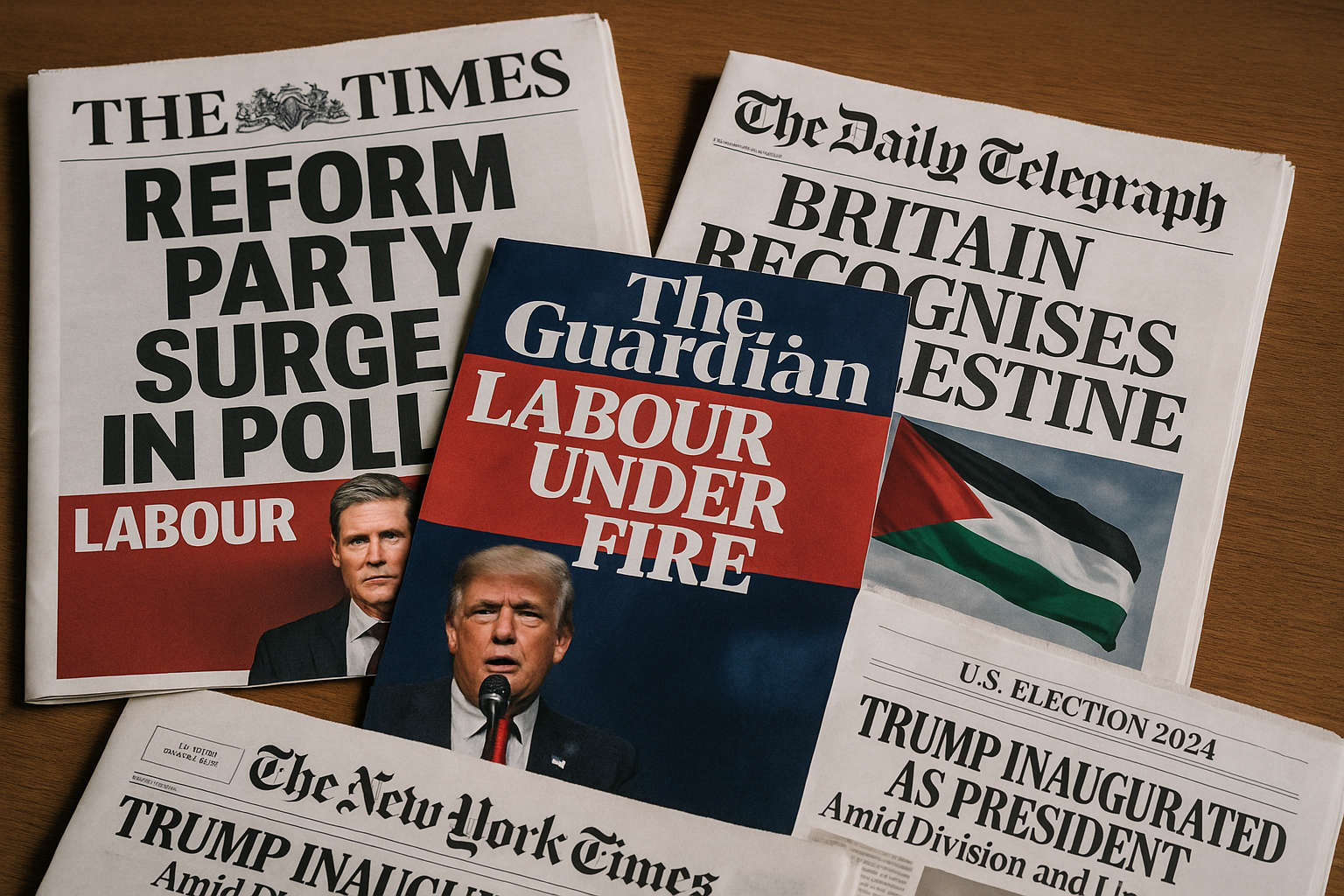
2025 marked a tumultuous year in UK politics as the Labour Party faced off against Reform, all while former US President Donald Trump cast a long shadow over global affairs. This retrospective highlights the notable events and challenges that shaped the political landscape throughout the year.
Keir Starmer initially aimed to steer UK politics away from sensationalism, yet the narrative of 2025 unfolded with unexpected twists, featuring a series of resignations, political stratagems, and emotional moments. As Labour transitioned from the opposition to governance, it confronted significant challenges, not least the destabilization of the traditional two-party system. Reform gained considerable ground, complicating the Conservative Party’s standing, although its leader, Nigel Farage, dealt with increasing scrutiny and controversy surrounding his past. In contrast, the Green Party flourished under the leadership of Zack Polanski, while Jeremy Corbyn’s new venture, Your Party, struggled amid internal conflicts. Concurrently, external factors, including international tensions, added pressure to the UK’s political climate.
In January, technology entrepreneur Elon Musk drew attention to UK politics by criticizing Starmer over the grooming gangs issue, prompting the government to initiate a swift inquiry into past abuses. Meanwhile, prominent Labour figures, including Rachel Reeves, faced scrutiny during a China visit amid rising economic challenges at home, compounded by Tulip Siddiq’s resignation from her Treasury position due to a corruption investigation involving her family.
February saw Reform UK leading in opinion polls for the first time, reflecting a significant shift in public sentiment. A scandal involving the former leader of Reform in Wales added to the tumult as Starmer announced a contentious increase in defense spending. His meeting with Donald Trump in the Oval Office revealed a burgeoning relationship with the US leader, even as the political landscape continued to evolve dramatically.
March brought Keir Starmer together with Ukrainian President Volodymyr Zelensky in a show of solidarity against Russian aggression, while Labour’s internal strife continued, culminating in the resignation of former MP Mike Amesbury after a legal incident.
As the year progressed, the government faced public backlash against proposed cutbacks on disability benefits, leading to significant political fallout. Notably, April was marked by Trump’s controversial trade policies, which sent tremors through international markets, while the UK government stepped in to save Scunthorpe’s steelworks from closure.
Political upheaval continued in May as Reform achieved significant electoral victories. The Labour government initiated its rail renationalization efforts, and a historic US-UK trade agreement was signed to mitigate trade tensions.
By June, Starmer was compelled to articulate a robust national defense strategy amidst growing global threats, pledging to enhance defense spending significantly. The government’s welfare reforms faced fierce opposition, resulting in a series of critical reversals.
In a dramatic July, Labour’s internal dynamics were tested further when revelations about Angela Rayner led to her resignation, triggering a reshuffle within Starmer’s cabinet. Discussions around international recognition of Palestine intensified as political leaders navigated complex and sensitive foreign policy issues.
August saw the political environment further strained by controversies surrounding immigration policies, while the government faced pressure regarding its response to domestic welfare issues and international humanitarian responsibilities.
As 2025 drew to a close, the political climate remained fraught with tension. The challenges facing Labour, increasing public dissent, and the ongoing implications of Trump’s policies continued to resonate throughout the political sphere. In this evolving landscape, the quest for stability and direction persisted against a backdrop of significant global upheaval.