King pays £1.5m Royal Lodge repair bill after Andrew ends lease
Charles has used private income to settle Andrew Mountbatten-Windsor’s Royal Lodge liability after an early-exit allowance reduced the £1.8m repair charge.

By Robert Aldridge, Senior Reporter
Published 9 Oct 2026, 13:01
What happened
King Charles has paid £1.5 million from his private income to settle the repair liability left by Andrew Mountbatten-Windsor at Royal Lodge in Windsor. The payment follows the surrender of Andrew’s lease and covers the net sum owed to his former landlord, the Crown Estate, for the property’s condition.
The assessment put the cost of disrepair at £1.8 million. Andrew was also entitled to approximately £302,000 for ending the lease early. That allowance was deducted from the repair charge, leaving a balance of about £1.5 million, which the Crown Estate has now received.
Andrew has not received a separate cash payment from the Crown Estate as part of the settlement. His compensation entitlement was instead used against his larger liability. The distinction explains why the total repair assessment and the amount paid by the King are different figures.
Independent advisers helped establish and review the charge for dilapidations, the term used for disrepair covered by a tenant’s obligations. Work was needed on the main house, while the garden required restoration. An outbuilding is also understood to have needed substantial attention as part of the overall repairs.
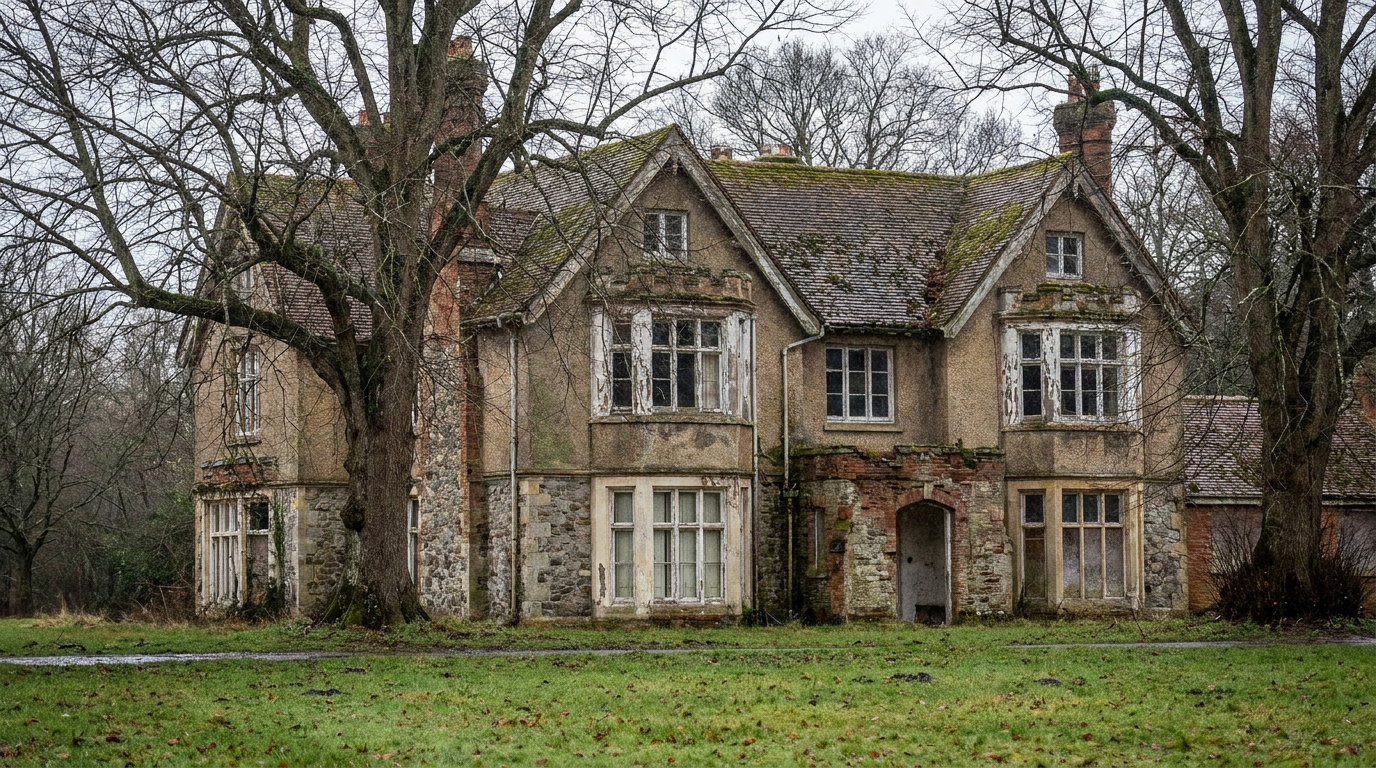
The 30-room mansion stands in 98 acres within Windsor Great Park. Andrew has fully vacated it, bringing to an end more than two decades of occupation. He shared the property for years with his former wife, Sarah Ferguson, despite their divorce.
Charles’s financial help has been described as a private loan. Palace sources have treated any repayment arrangement between the brothers as a personal matter. The money used to settle the bill comes from the King’s own income, rather than taxpayers funding Andrew’s liability.
The background
Andrew took on a 75-year lease in 2003 and made substantial payments at the outset, including approximately £7.5 million for refurbishment. Those initial costs formed part of an arrangement under which he could occupy Royal Lodge without paying an ordinary monthly rent throughout his tenancy.
The lease instead provided for a nominal annual peppercorn rent, payable if requested. That arrangement did not remove his responsibility for the building’s upkeep: the agreement required him to maintain and repair the property, renew parts where necessary and undertake rebuilding when required.
A separate provision protected part of his initial investment if the tenancy ended during its first 25 years. The amount payable on an early departure declined annually. For surrender in October 2026, the remaining entitlement was approximately £302,000, which became the allowance applied in the final settlement.
Andrew left Royal Lodge in February amid renewed scrutiny of his links to Jeffrey Epstein, the US sex offender. He has consistently denied wrongdoing in relation to Epstein. His departure from Windsor took place several months before the formal conclusion of the property agreement.
He moved to Sandringham, where Charles has been privately paying for his accommodation and upkeep. The support therefore extends beyond the one-off Royal Lodge settlement: the King has also been meeting the costs associated with his brother’s living arrangements following the move away from Windsor.
Later in February, Andrew was arrested on suspicion of misconduct in public office. Thames Valley Police searched his homes that month using warrants approved by an Old Bailey judge. Those warrants subsequently became the subject of a legal challenge brought by Andrew through judicial review.
Earlier this year, the National Audit Office disclosed that Andrew had sublet buildings at Royal Lodge. Its examination also identified accommodation used by his daughters, Princess Beatrice and Princess Eugenie, inside royal palaces, with Charles privately covering the costs rather than the princesses paying for it themselves.
What people are saying
The Crown Estate has emphasised the financial opportunity created by recovering Royal Lodge more than 50 years before the original lease was due to expire. Its stated priority is now the property’s future use and securing additional value for the nation from that early return.
Buckingham Palace has previously explained the King’s support for Andrew as private provision intended to prevent his brother becoming a cost to taxpayers. The decision to meet the Royal Lodge liability also ensures that the Crown Estate receives the balance due under the settlement, rather than being left out of pocket.
Palace sources have rejected a connection between the property payment and Andrew’s legal proceedings over the searches. Charles has stipulated that his financial support must not be used to fund that court battle. The repair settlement and the judicial review are being treated as separate matters.
The timing has brought both issues into public attention together. Details of the Royal Lodge payment emerged a day after the legal challenge became public. On Thursday, a court ruling found fault with the search warrants used by police during the February searches.
What happens next
The Crown Estate must now determine how Royal Lodge will be used following the tenancy’s end. A commercial return is expected to guide its future, and there are currently no plans for another royal occupant. The precise use of the mansion has not yet been decided.
The surrender process had to conclude by 30 October. Although Andrew’s physical departure took place in February, the lease continued until October, when the compensation calculation and his outstanding repair obligations formed part of the financial terms for bringing the agreement to a close.
The condition of the building is a practical consideration before it can be rented again. The assessed work includes repairs to the house and restoration around it, rather than simply preparing an empty residence for a new occupant. External repainting is among the work needed at the property.
Responsibility for considering its next use lies with the Crown Estate, an independent commercial organisation whose profits go to the Treasury. It must seek value for the public when managing its assets. Recovering the lease early allows it to consider income-generating options decades ahead of the original timetable.
Why this matters
For UK taxpayers, the immediate distinction is between the King’s private spending and the Crown Estate’s public financial role. Charles has met his brother’s net obligation personally, while the estate has received the settlement due to it. The compensation allowance reduced the debt; it did not produce a payout to Andrew.
The longer-term consequence concerns a substantial Windsor property returning to commercial consideration after years as a royal home. Its next use will determine how the early surrender benefits the estate’s finances, with the possibility of generating a return well before the 75-year agreement would otherwise have ended.
Reporting that informed this story
- Daily Mail: King personally pays Andrew Mountbatten Windsor's £1.8million repair bill to Royal Lodge as former prince hands back keys and receives £302,000 in compensation
- BBC News: King pays Andrew's £1.5m repair bill on Royal Lodge
This article was written independently by The Daily Times from publicly available facts and headlines. No text has been copied from the outlets above.