Kenya cult leader Paul Mackenzie guilty of 191 murders
Paul Mackenzie and 28 other cult leaders have been convicted over deaths in Kenya’s Shakahola forest, with his sentencing due on 6 November.
By James Reeve, Foreign Affairs Writer
Published 19 Oct 2026, 18:01
What happened
Paul Mackenzie has been convicted of murdering 190 children and one adult after directing followers in Kenya to starve their children and themselves. Twenty-eight other leaders of his religious group were also found guilty of murder at Mombasa High Court.
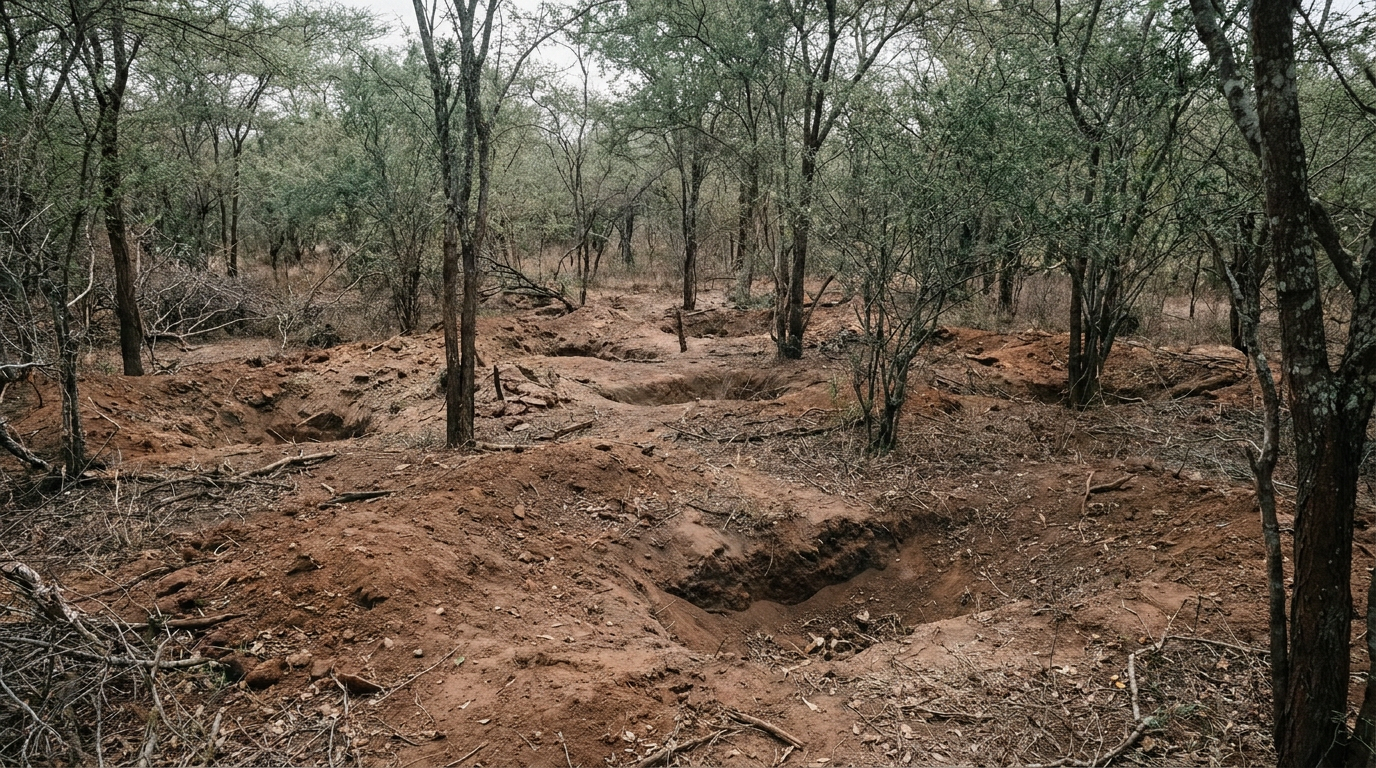
The verdict concerns 191 of the deaths linked to the community Mackenzie established in Shakahola Forest, near Kenya’s coast. Investigators have recovered more than 400 bodies from graves there, and inquiries into other deaths continue.
Justice Diana Mochache delivered her judgment over eight hours. She described children being separated from others and deprived of food, in some instances with their parents present. Mackenzie and his fellow defendants had denied murder and maintained that people had not been compelled to die.
Evidence before the court described coercion as well as starvation. One co-accused said Mackenzie had instructed followers to use physical violence against anyone who refused to continue fasting. The judge also described how the group treated deaths and burials as religious celebrations.
A witness recounted how a woman was prevented from breastfeeding her newborn, who died after 12 days. The mother was then instructed to stop eating until she, too, died. Accounts from people familiar with the group described a sequence in which children were to die before women and younger men, followed by the remaining men.
Enos Amanya Ngala, formerly Mackenzie’s security chief, gave evidence for the prosecution after reaching a plea agreement. He had initially been among those accused. Mackenzie’s wife was also a co-accused and sat beside him in court.
Relatives of people who died attended the hearing. It was the first murder verdict against Mackenzie, whose activities have also prompted separate proceedings concerning terrorism, radicalisation and children’s education.
The background
A former taxi driver, Mackenzie founded Good News International Ministries in 2003. During the following 16 years, its network expanded across Kenya and attracted thousands of followers. His reach extended beyond church services through Times TV, which broadcast sermons from Malindi.
His teachings presented the end of the world as approaching and promised salvation through fatal fasting. He also opposed schooling, modern medical treatment and digital identity cards, attaching religious conspiracy theories to institutions and services used in everyday life.
His son, Dan Paul Mackenzie, worked with cameras at the church. He described mornings devoted to singing, with children seated behind the adults, before his father began preaching at noon. Some services included rituals intended to remove demons.
Police searched Mackenzie’s premises in 2017. Authorities subsequently closed his church in 2019, and he moved into Shakahola Forest, urging followers to join him. People travelled there from different parts of the country.
The settlement included mud dwellings and shelters made from thatch and plastic sheeting. Mackenzie gave different areas biblical names, including Jerusalem and Judea. Residents nevertheless maintained some contact with surrounding communities, visiting nearby Shakahola town for supplies and collecting water from the River Galana.
In mid-March 2023, a local man approached police saying his brother and sister-in-law had starved their children on Mackenzie’s instructions. Police arrested Mackenzie and he was released on bail. Relatives said he subsequently advanced the date on which he predicted the world would end.
Police detained him again in April 2023 and widened their search of the forest. Systematic excavations exposed the scale of the deaths. Local herders had also discovered remains in March, by which point hundreds of people had died.
Recovering the victims
Seventeen men from a nearby town were recruited to help excavate graves, with some receiving just $8, about £6, a day. Their work involved recovering adults and children, including infants only weeks old.
One gravedigger, James, described finding at least three bodies in each grave he opened. In one excavation, he encountered 12 children buried together. Other workers described children whose limbs had been bound and whose remains were enclosed in bedsheets.
The recovery teams sometimes recognised people they had previously encountered locally. Salim Karisa, another gravedigger, said motorbike riders had transported people into the forest but had not understood what was happening within the settlement. He also recalled trying to carry out people who were so weak that they died during the rescue.
Severe decomposition has complicated identification, with only 26 bodies identified. Court records describe some victims by their sex, approximate status as children, grave location and discovery date rather than by name. For families, recovering remains has therefore not necessarily meant being able to identify a relative.
What people are saying
Stephen Mwiti, 48, welcomed the convictions from his home in Malindi, around 70km from Shakahola. All six of his children died in the forest. He said he had recovered and buried only his son Samuel. His former wife was among those convicted alongside Mackenzie.
Francis Wanje, 62, lost eight relatives, including two grandchildren. Before the judgment, he described the continuing psychological strain on his family and said he had been waiting for the court’s decision.
Survivor Peter Shukrani, 23, offered an account of the restrictions on medical care. He had attended Mackenzie’s church from the age of eight and moved to the forest with his mother in 2019. When he became ill, she discarded his medication because she believed the group’s teaching that healing should come from God alone.
Shukrani was bedridden for weeks before being rescued. Despite his experience, he continued to regard Mackenzie as a spiritual parent and expressed loyalty towards him. His recollections also described an earlier routine of short fasts followed by small meals.
The deaths prompted demands in Kenya for stronger supervision of churches and other religious organisations. President William Ruto said in 2023 that state agencies should have prevented the tragedy and accepted responsibility as president. The case has placed scrutiny on official intervention before the forest graves were discovered.
What happens next
Mackenzie is due to be sentenced on 6 November. That hearing follows the court’s determination of guilt and will decide his punishment for the murders covered by this case.
Other criminal proceedings remain separate from these convictions. Mackenzie has denied terrorism-related charges arising from the forest deaths, while further cases concern radicalisation and the denial of education to children.
Prosecutors also accuse him of directing the deaths of 52 people in Kwa Binzaro village while he was already in detention. The village is about 30km from Shakahola. He has pleaded not guilty in that case, which concerns a different group of deaths from those covered by this judgment.
Why this matters
For UK readers, the child-protection context is significant: schools and health services have safeguarding responsibilities as well as educational and clinical roles. Contact with professionals outside a household can provide opportunities to recognise neglect and raise concerns about a child’s welfare.
Religious belief does not remove parents’ responsibilities towards their children under UK law. Concerns that a child is being denied food or necessary care can be raised with local council children’s services; an immediate threat to life requires an emergency response.
Reporting that informed this story
- Daily Mail: Doomsday cult leader who told parents to starve their children is found guilty of 191 murders
- BBC News: Kenya cult leader who told parents to starve children guilty of 191 murders
This article was written independently by The Daily Times from publicly available facts and headlines. No text has been copied from the outlets above.